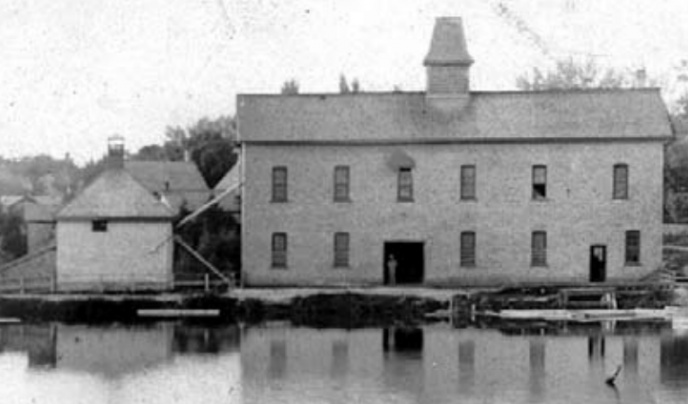
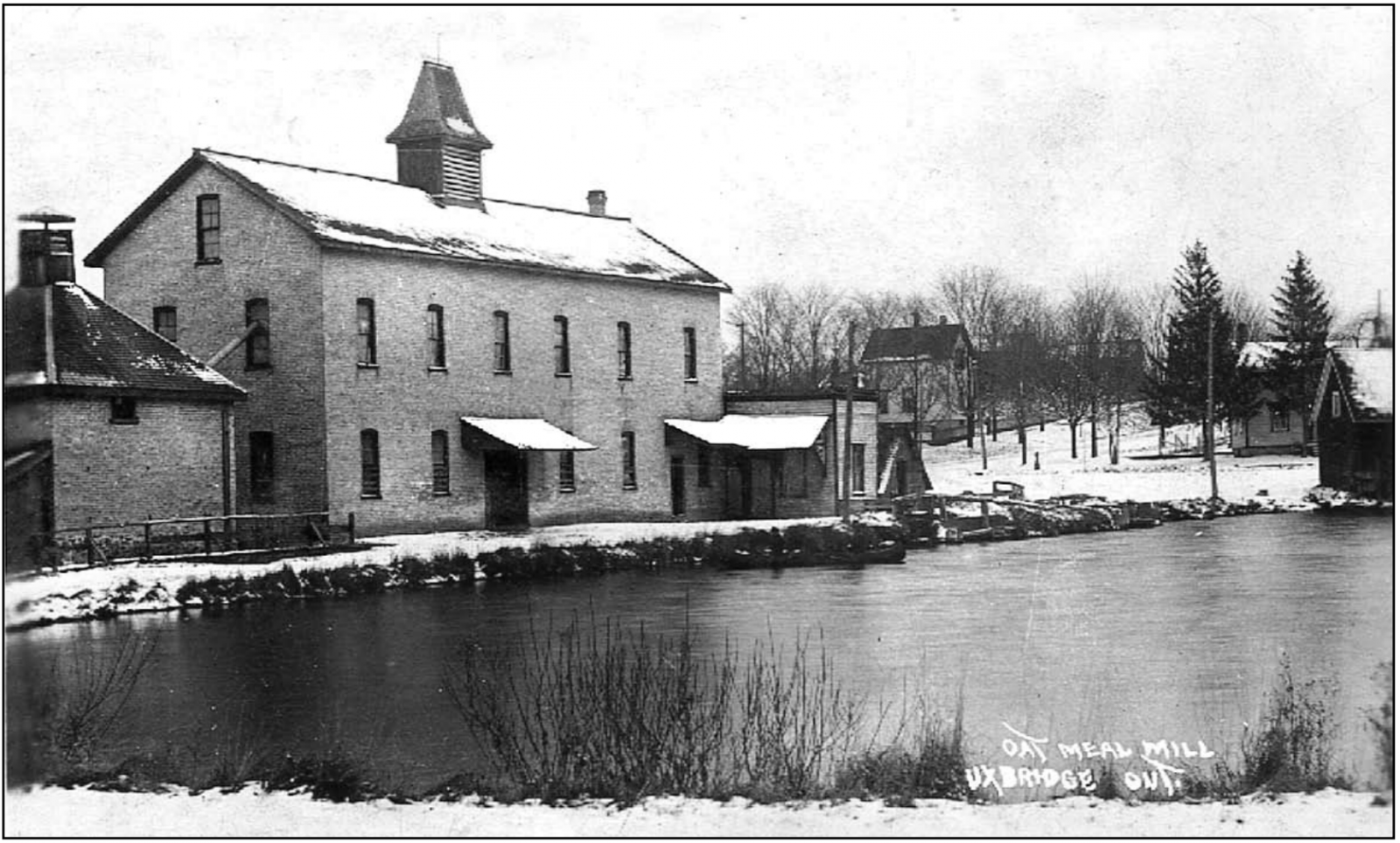
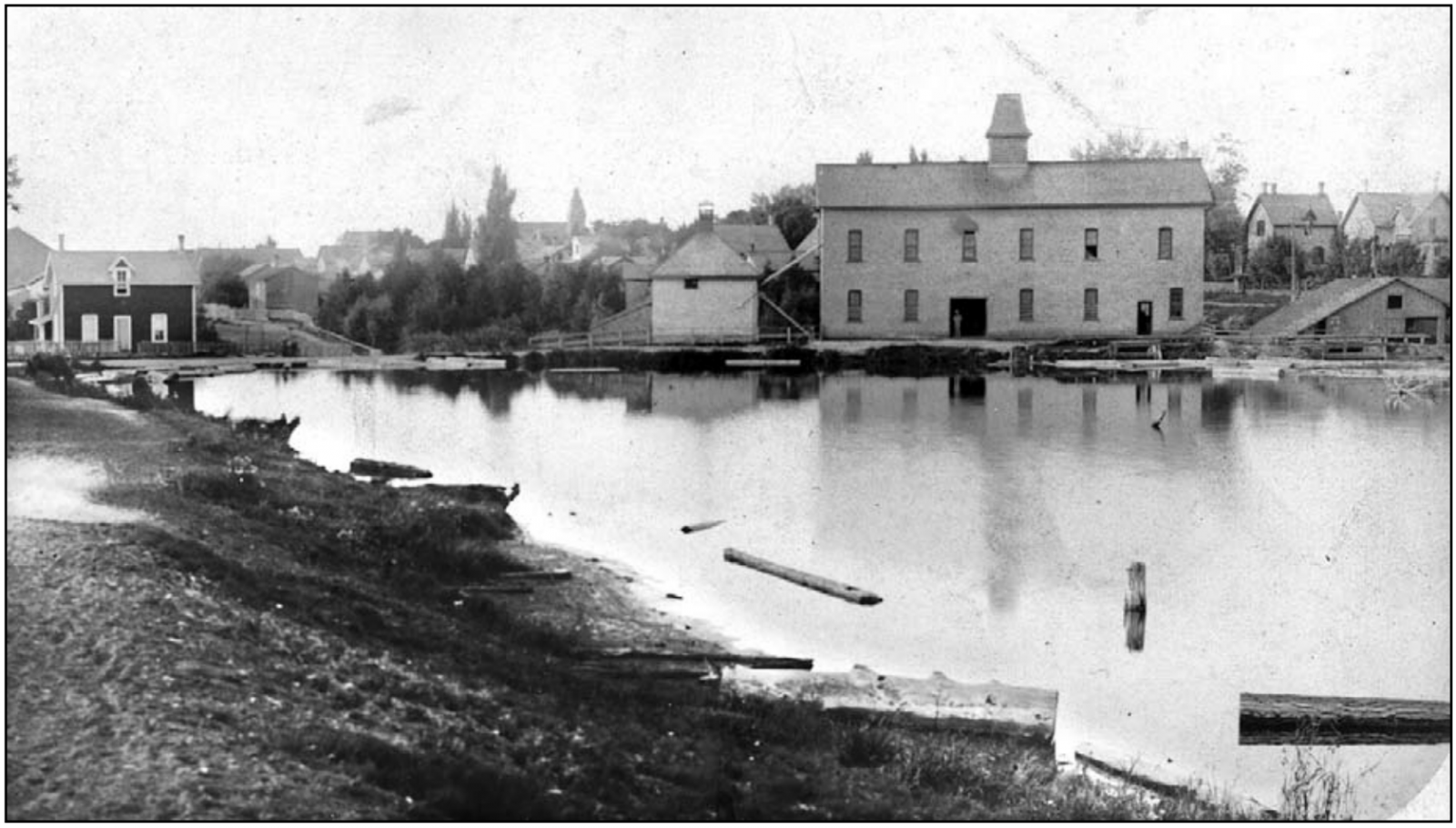
You can see the Kiln, which is still standing today, to the left of the mill in the above photo. Photo from: Uxbridge The First 100 Years by: J. Peter Hvidsten.
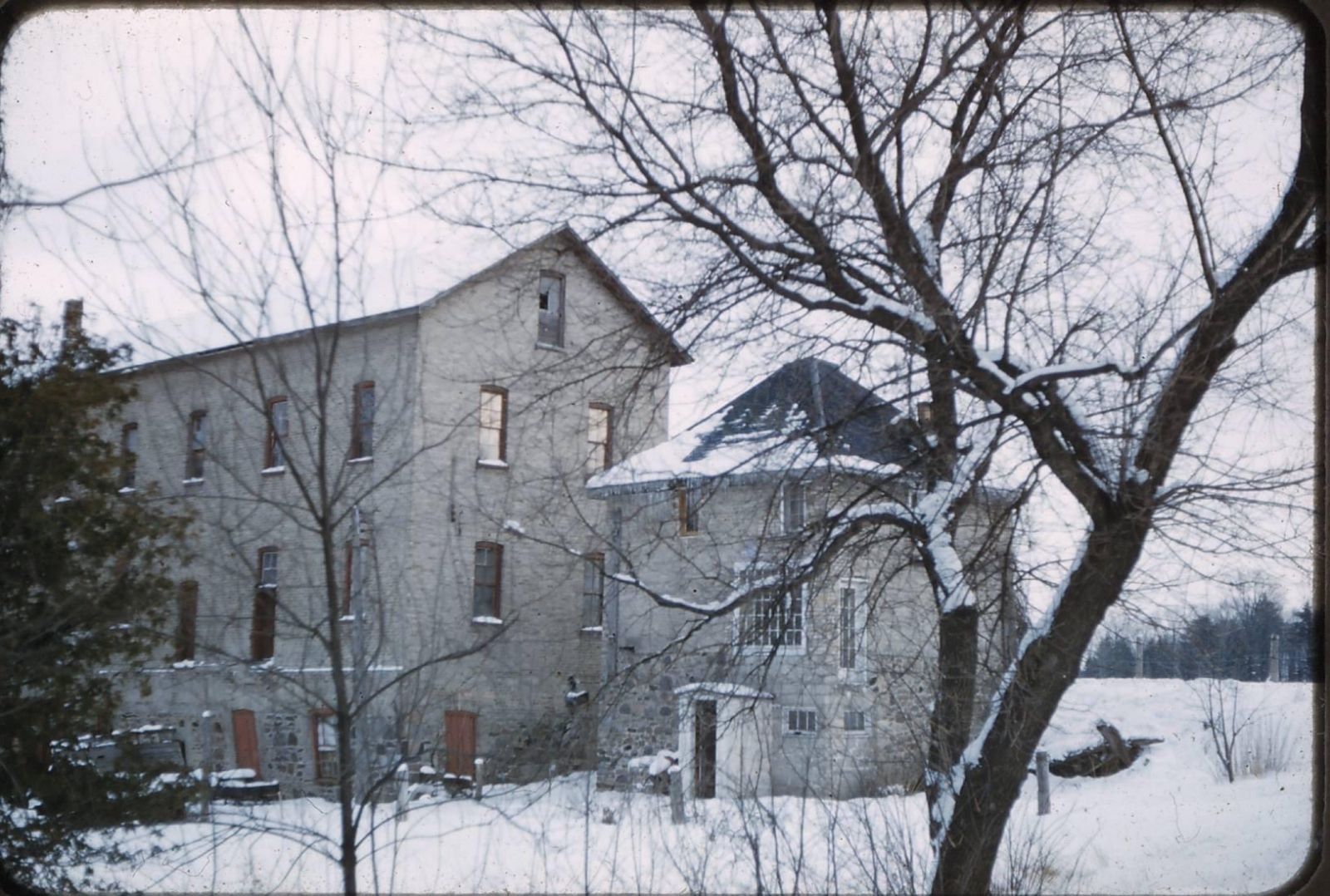
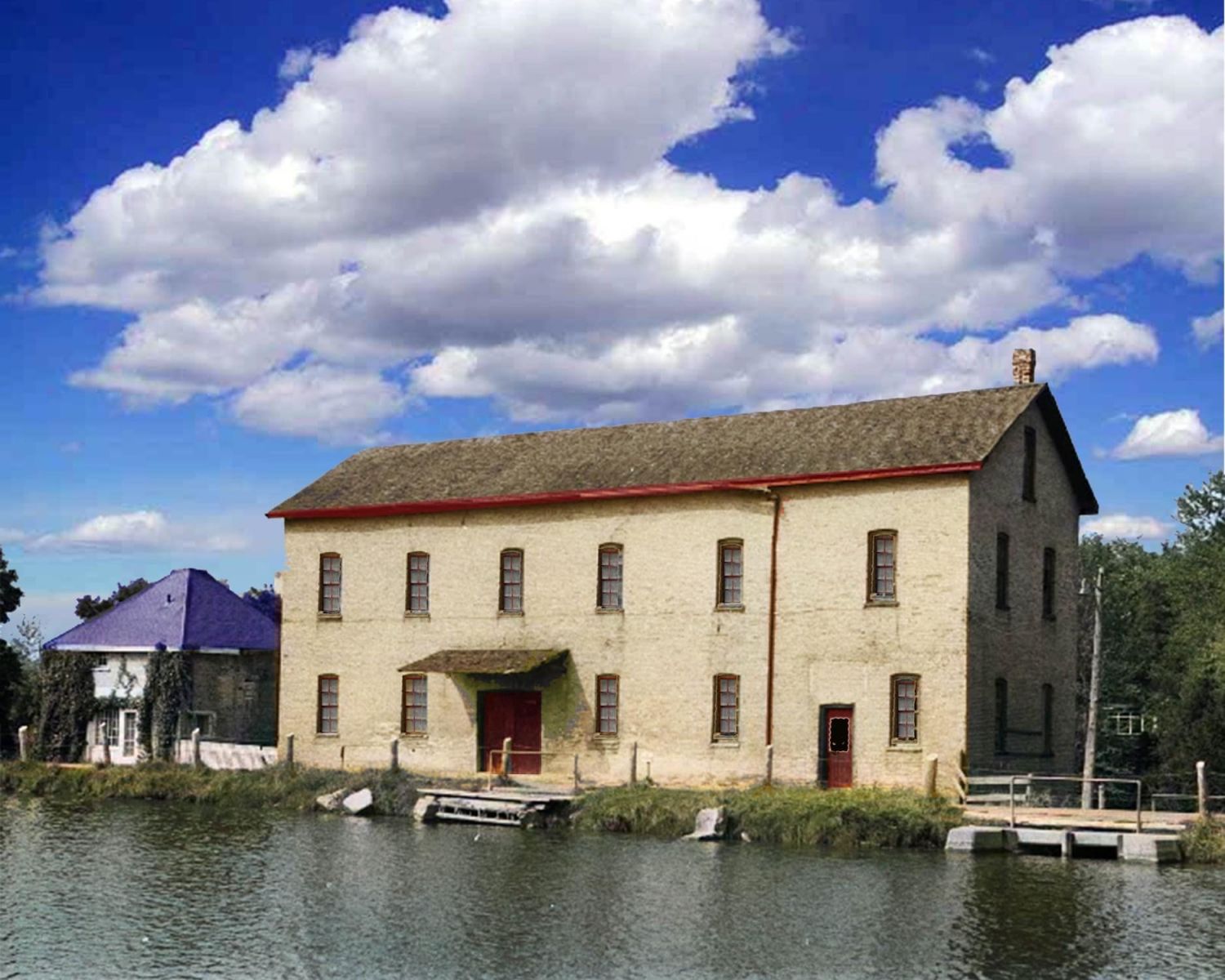
The Isaac J. Gould Oatmeal Kiln was used to power the Oatmeal Mill that was built by Isaac J. Gould on the north shore of Elgin Pond (then known as Park Pond). You can see the Kiln, which is still standing today, to the left of the mill in the above photo. The mill was built in 1887 on the former site or Joseph Gould’s woollen and saw mill which was destroyed by fire 1886. The mill was briefly operated as a woollen and saw mill before it was converted to grind oats. In the mid 1950s the mill was condemned and collapsed in 1957.
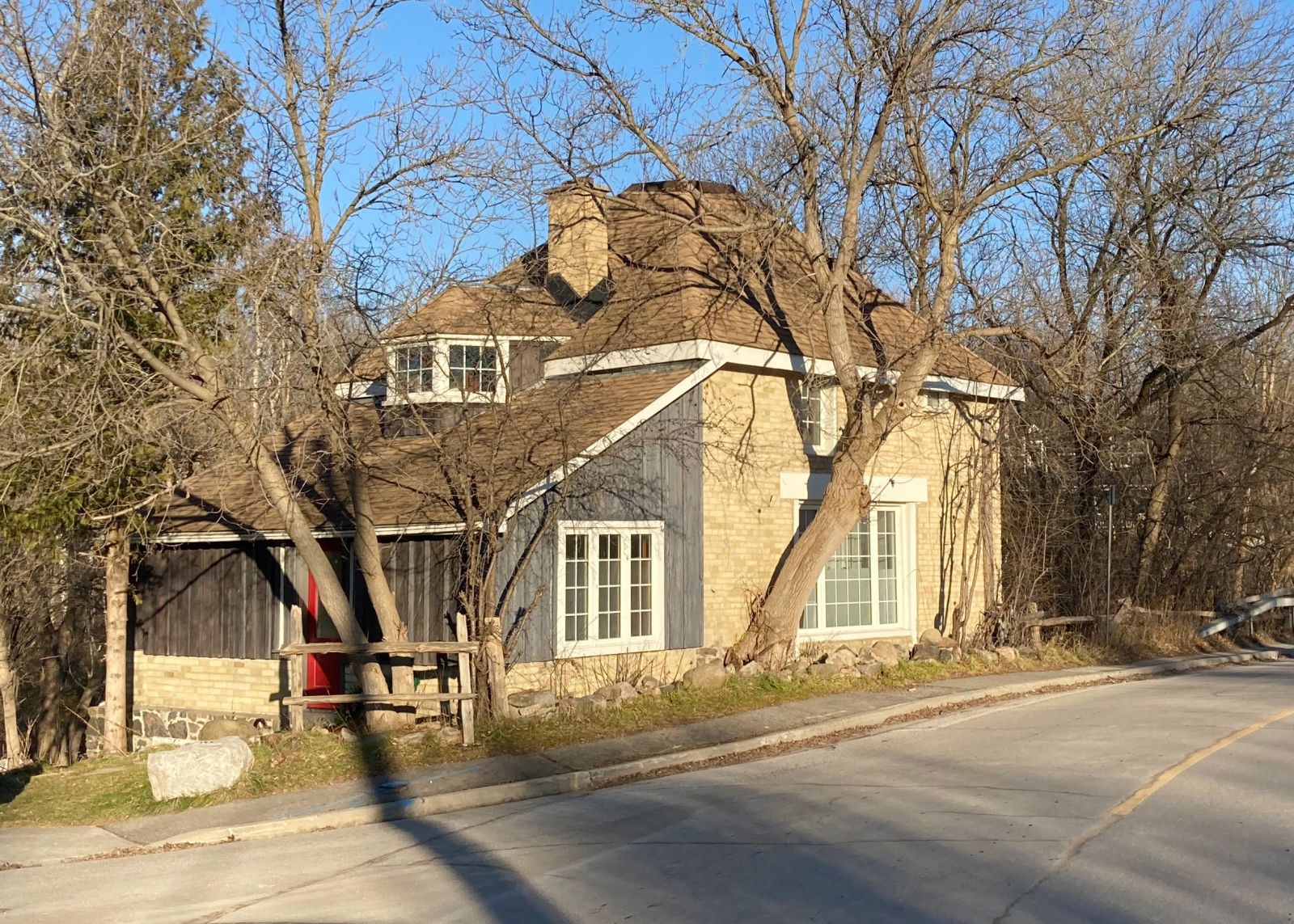
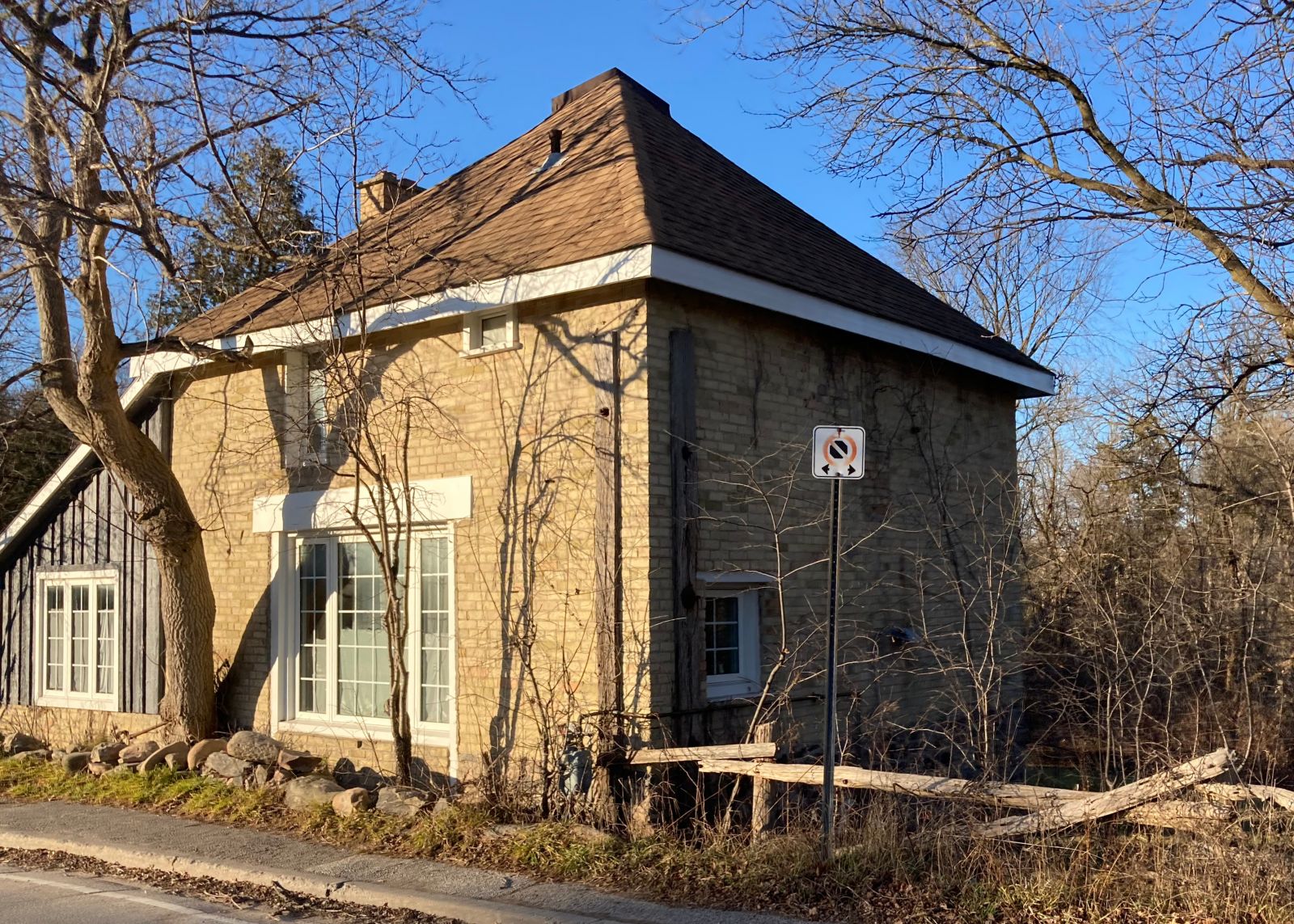
The following two photos show the Kiln as it appears today. It has been converted to a home.
The Oatmeal Kiln December 2021
The Oatmeal Kiln December 2021
The Oatmeal Mill and Kiln on the north side of Elgin Pond (Park Pond). Photo from: Uxbridge The First 100 Years by: J. Peter Hvidsten.
The Oatmeal Mill and Kiln seen from Bascom Street – Photo courtesy of Gary Ledrew.
The Oatmeal Mill and Kiln seen from Elgin Pond – Photo courtesy and coloured by Gary Ledrew.
Learn more about the Oatmeal Mill, the Kiln and Elgin Pond in our Uxbridge History Blog.
Photo Credits:
Uxbridge The First 100 Years by: J. Peter Hvidsten
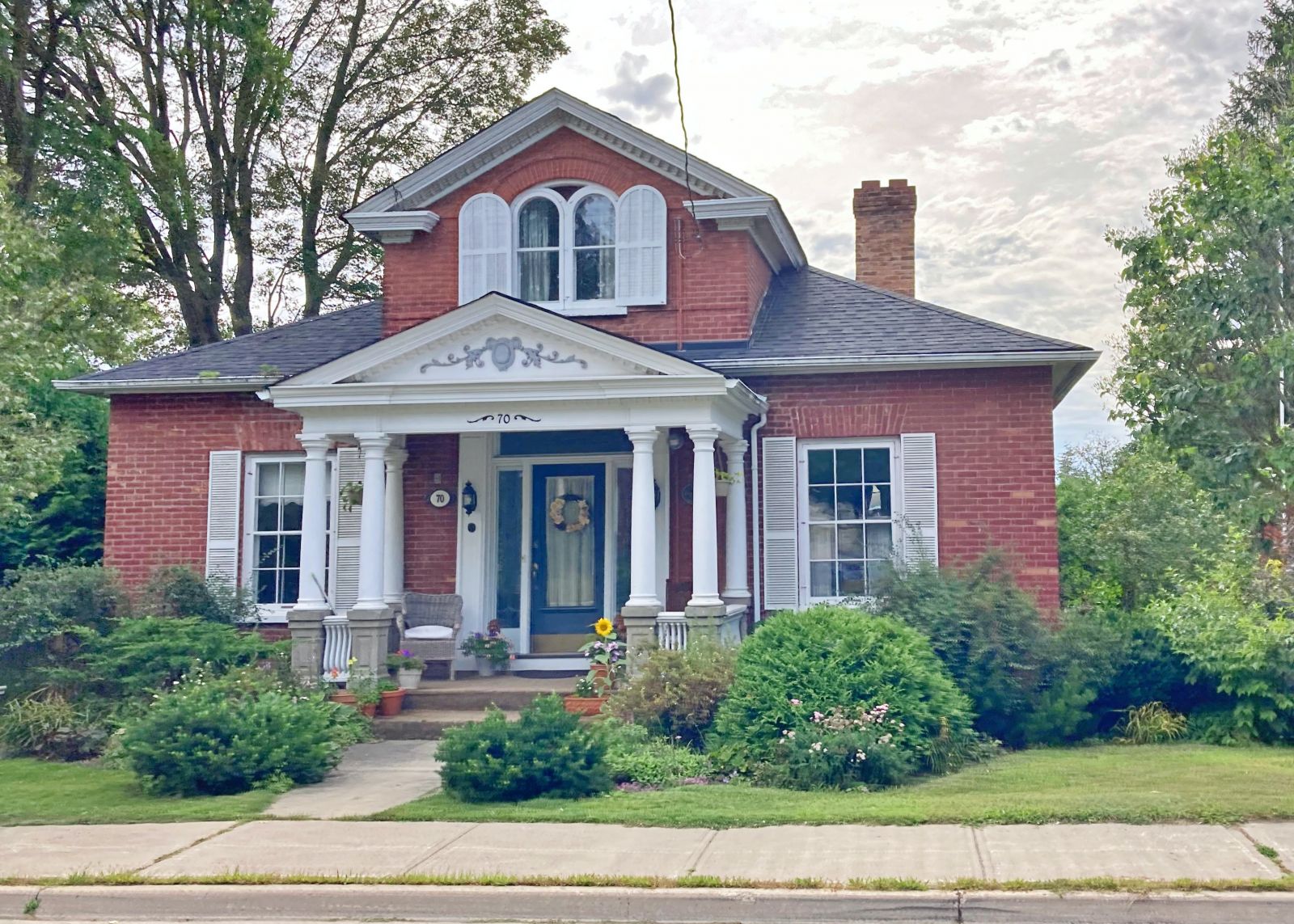
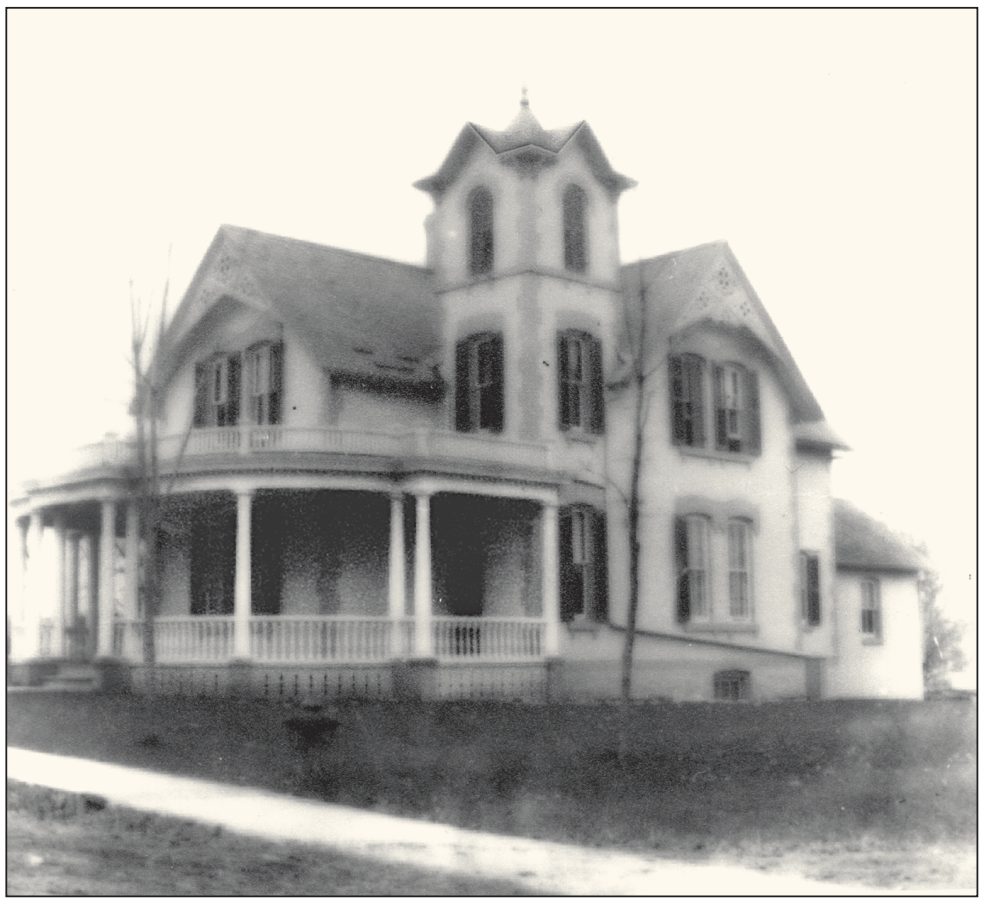
Tucked along the historic stretch of Main Street North in Uxbridge sits a home that reflects the early civic and residential development of the town—the Bascom–Williams House, a structure rooted in both family legacy and community service.
Built circa 1872, the home began its life as a modest square-frame residence before being bricked and later undergoing a series of architectural changes over the years. While the house has evolved in appearance, its story remains closely tied to one of Uxbridge’s foundational families.
The land on which the house stands was once part of a significant tract owned by Dr. Joseph Bascom, a well-known figure in early Uxbridge. In the 1850s, Dr. Bascom owned all the land on the west side of Main Street, stretching between Brock Street and Mill Street. As the town grew, he subdivided this land into lots, shaping much of what we now recognize as central Uxbridge.
In 1872, Dr. Bascom transferred ownership of one of these lots to his daughter, Mary Bascom, and it is believed that the current house was constructed shortly thereafter. Mary married Alonzo D. Williams, a man who would leave a lasting mark on the town’s civic history.
Alonzo became the first clerk of the Village of Uxbridge, a role he would serve with dedication for 27 years until his passing in 1899. His long tenure speaks to a period of great change and formalization in Uxbridge’s governance, and it’s fitting that his home still stands as a quiet reminder of his commitment to public service.
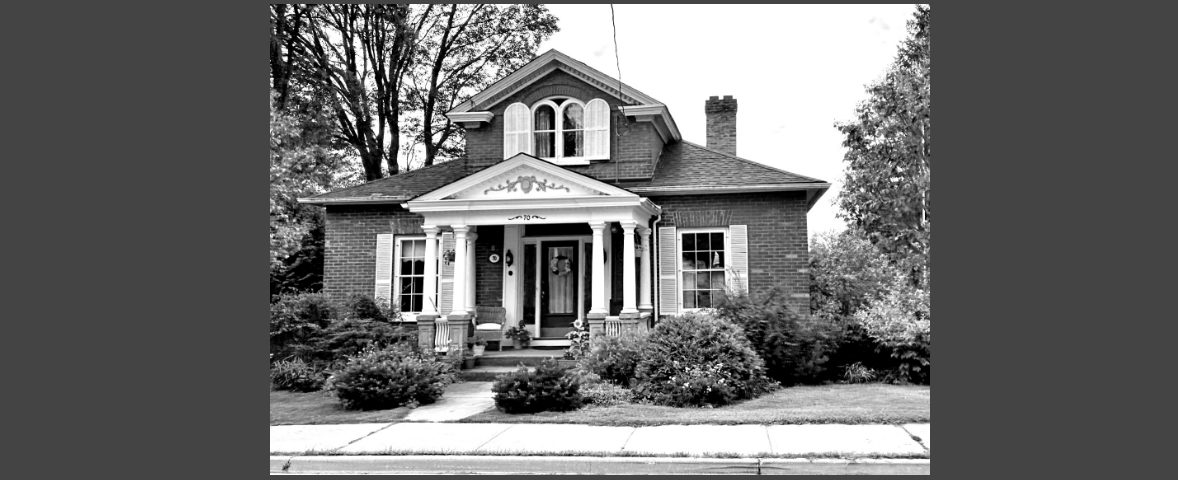
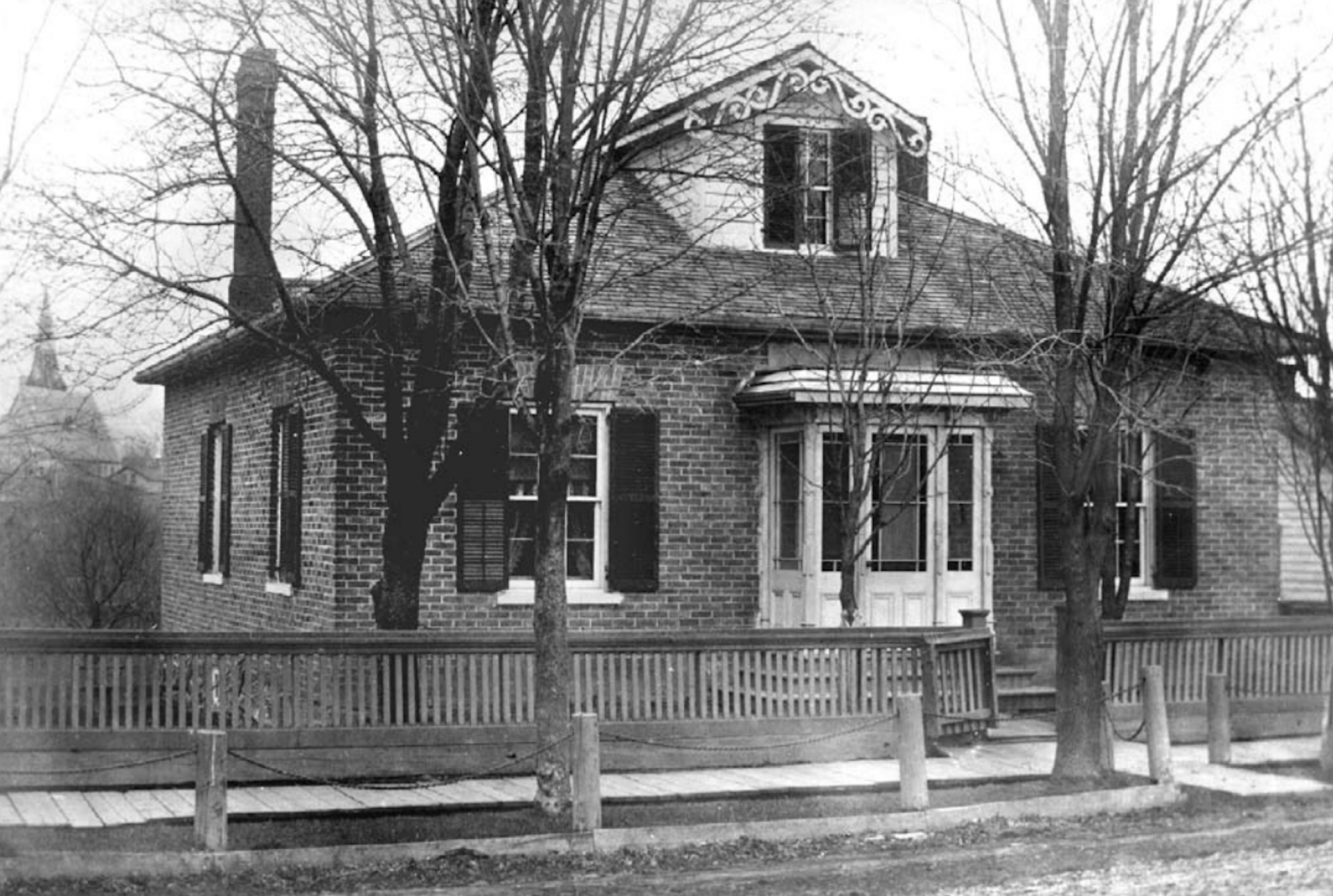
The photo above taken circa 1900 shows the front porch and dormer before they were both enlarged. Photo Courtesy of Uxbridge – Scugog Historic Homes and Heritage Buildings By: Paul Arculus J. Peter Hvidsten
Though the Bascom–Williams House has been altered over the decades, its foundations are steeped in the early development of Uxbridge—both in its physical landscape and its local leadership. Homes like this serve as more than just dwellings; they are the living memory of the town’s roots and growth.
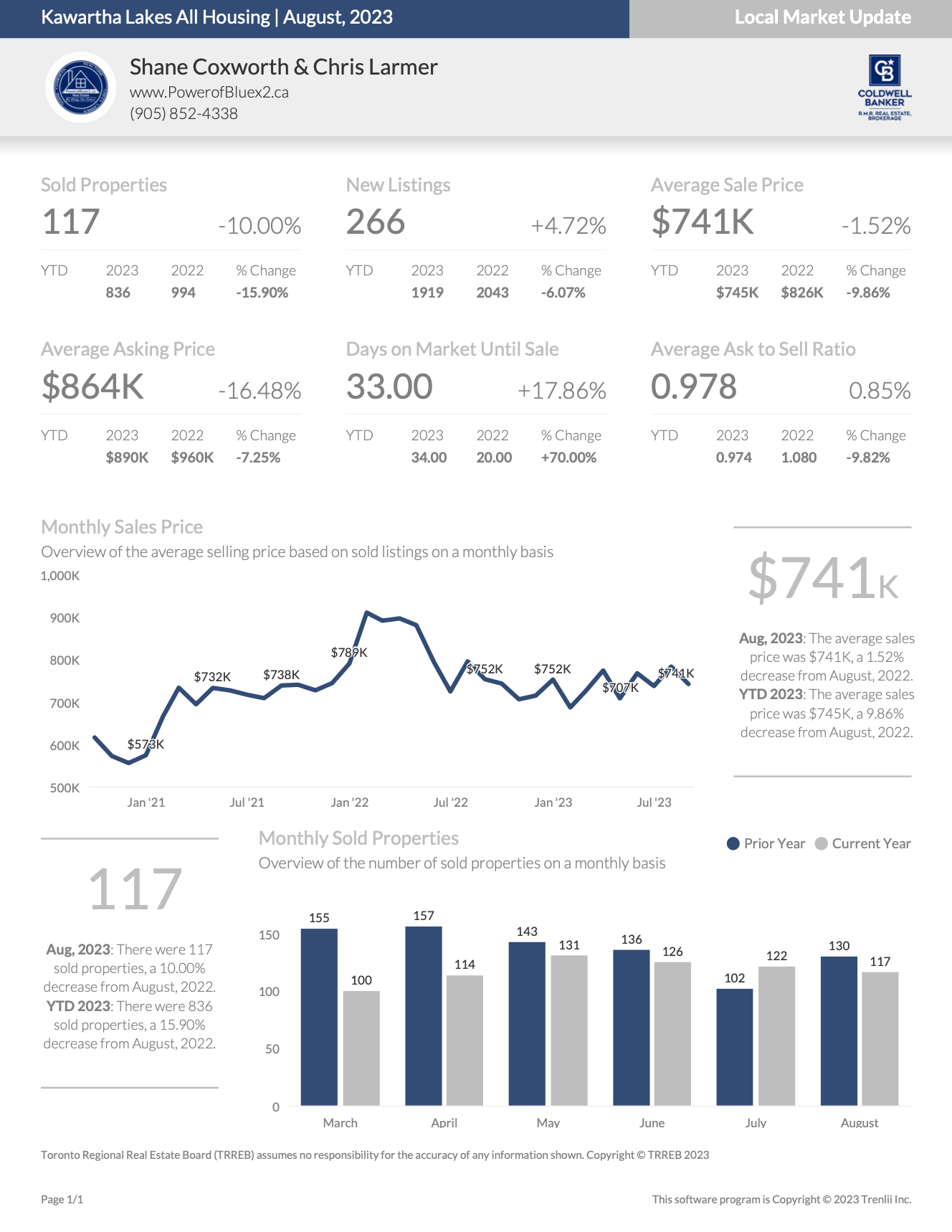
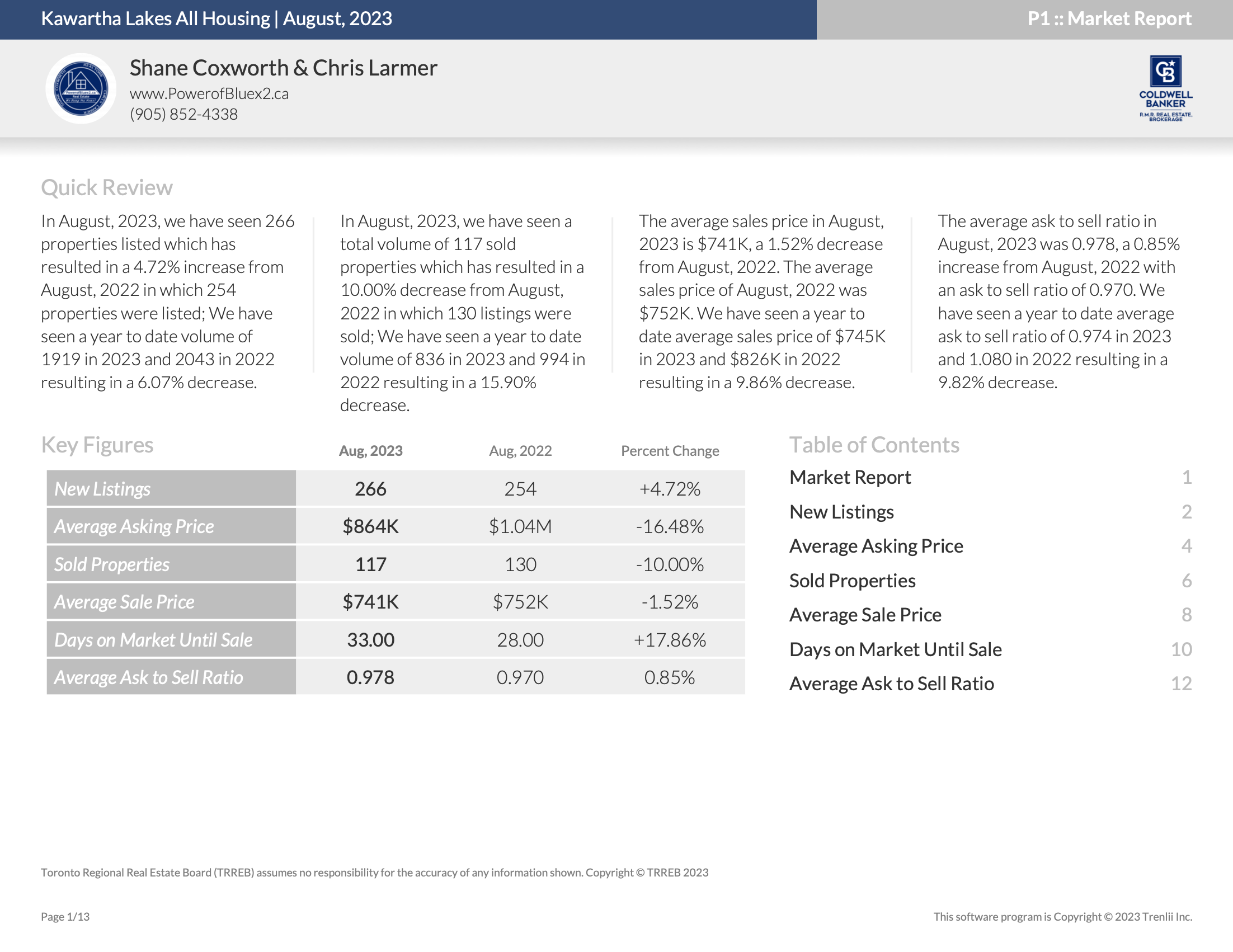
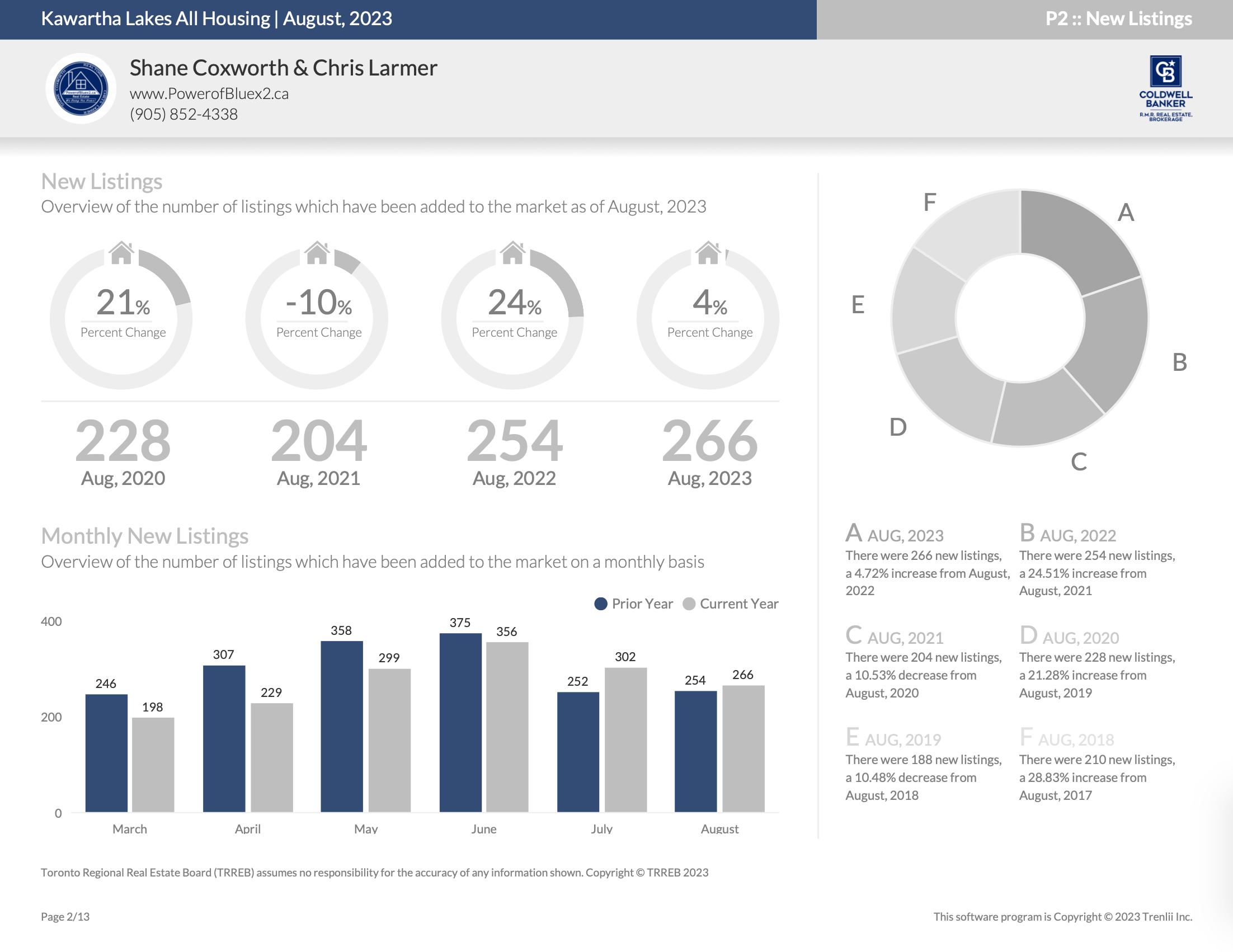
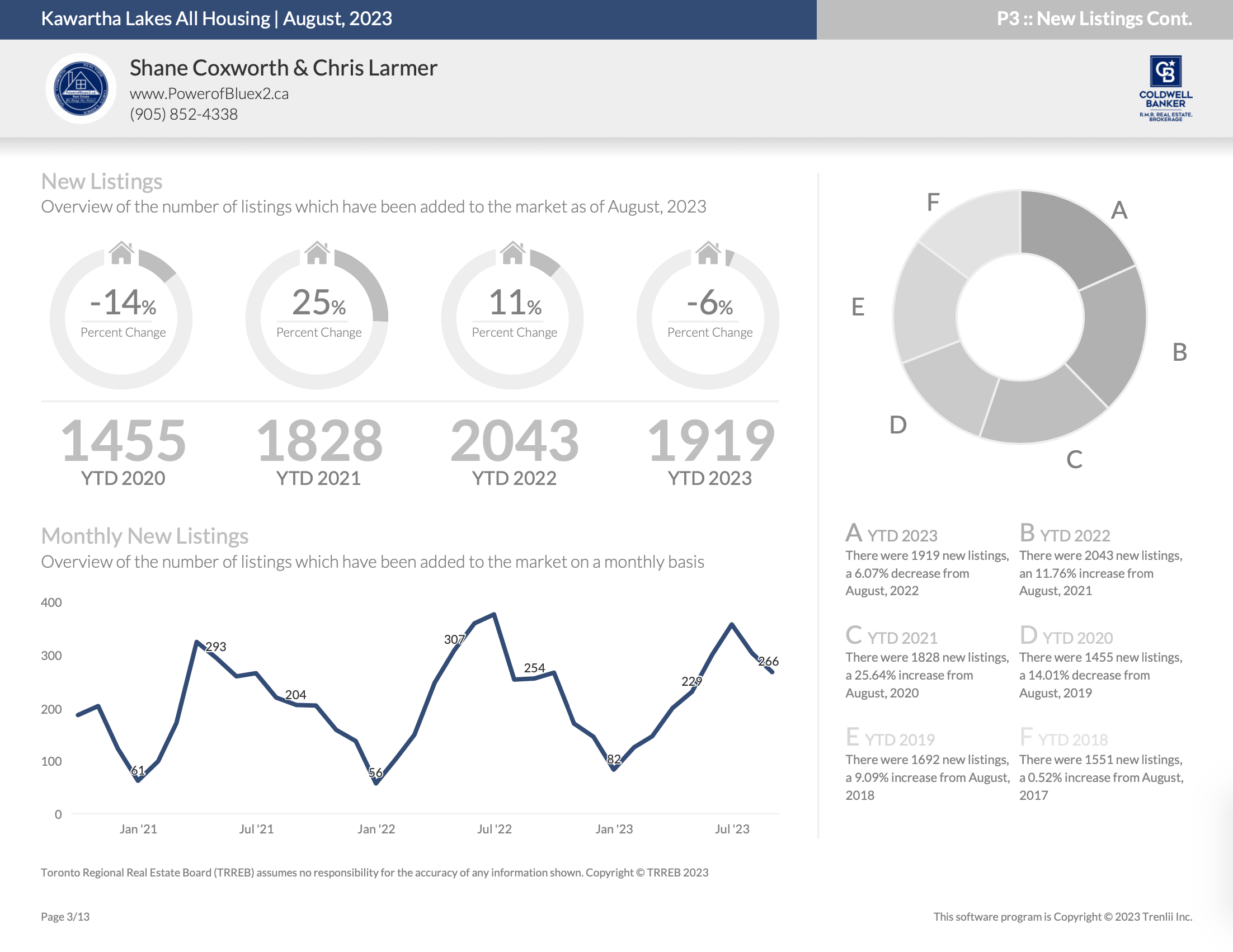
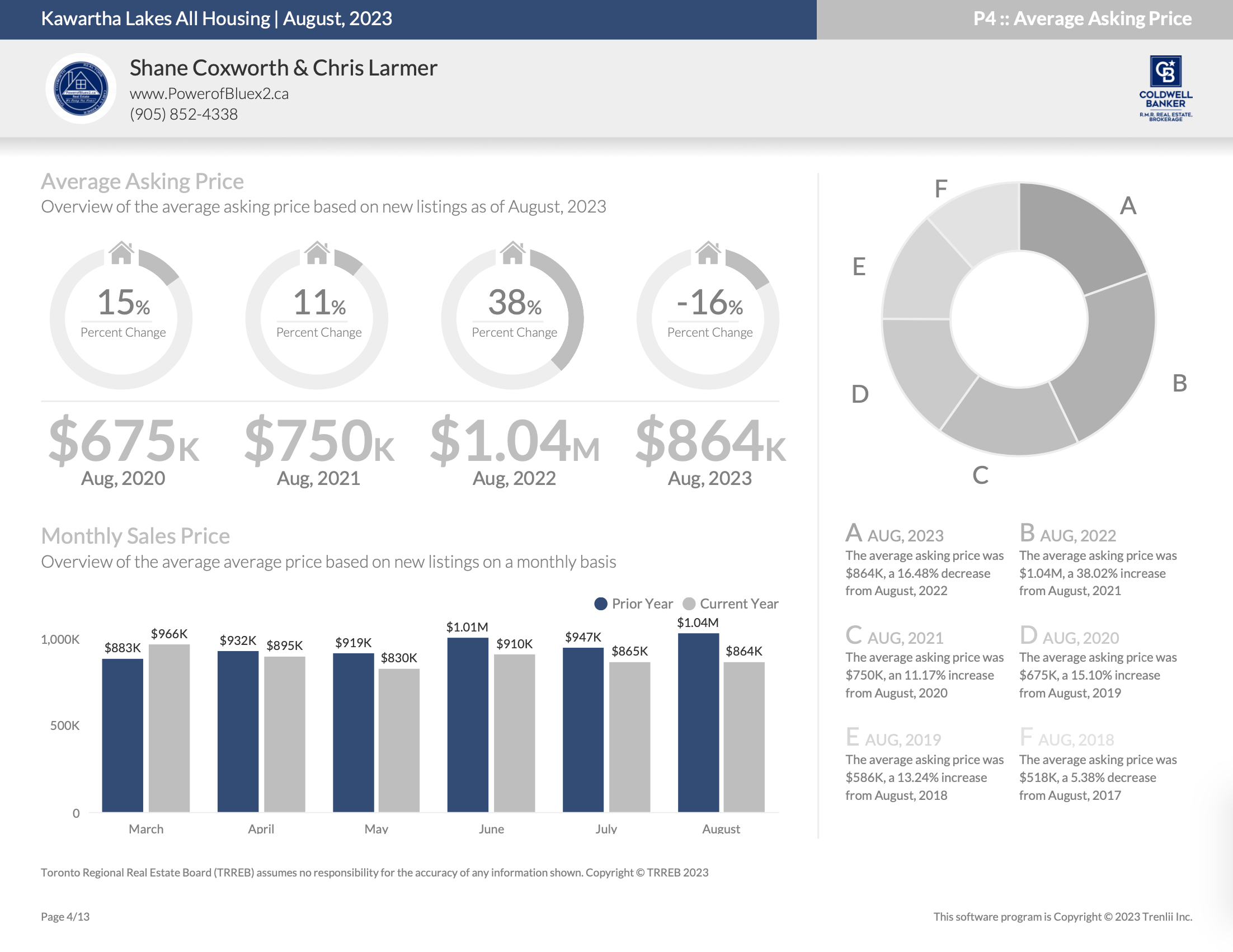
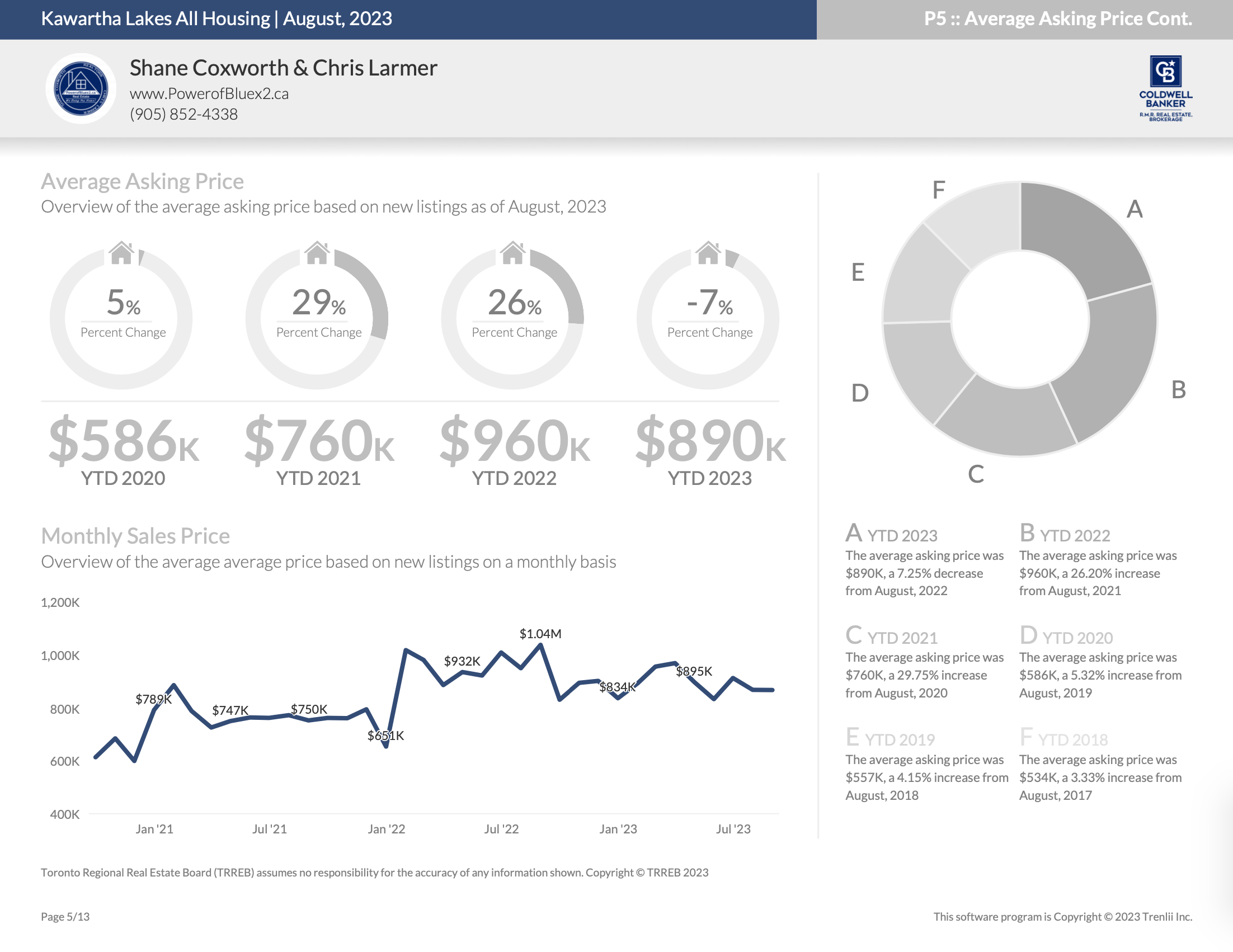
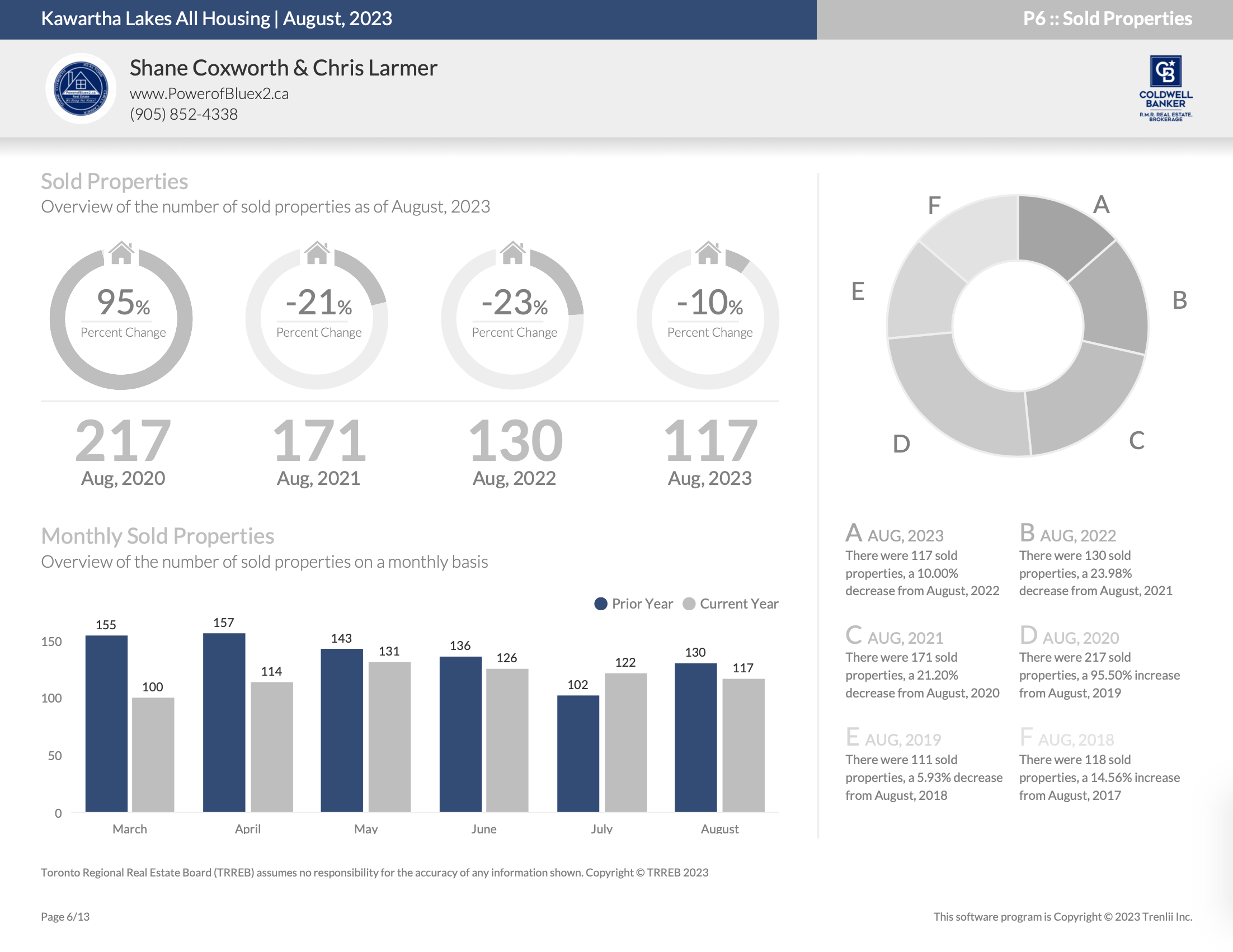
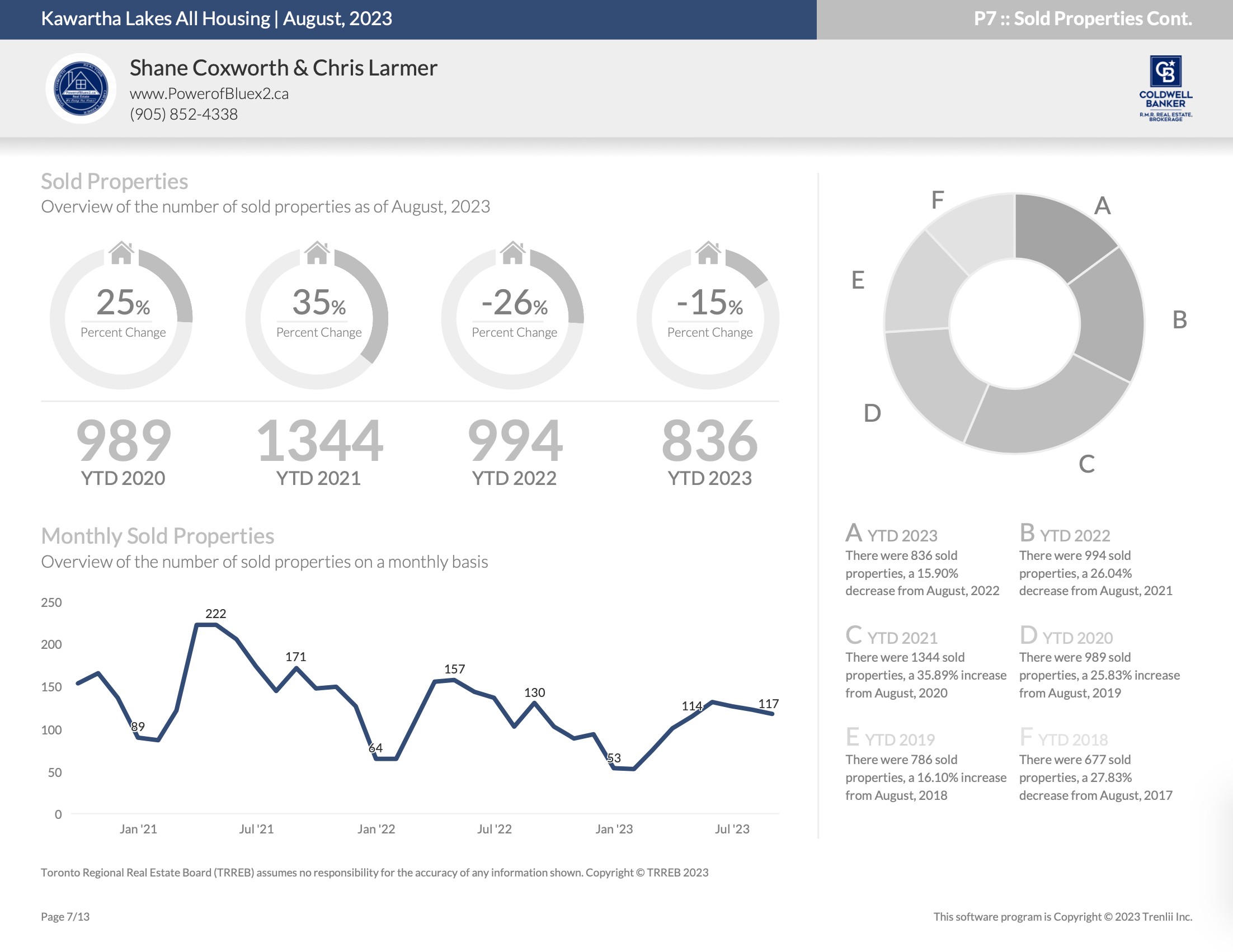
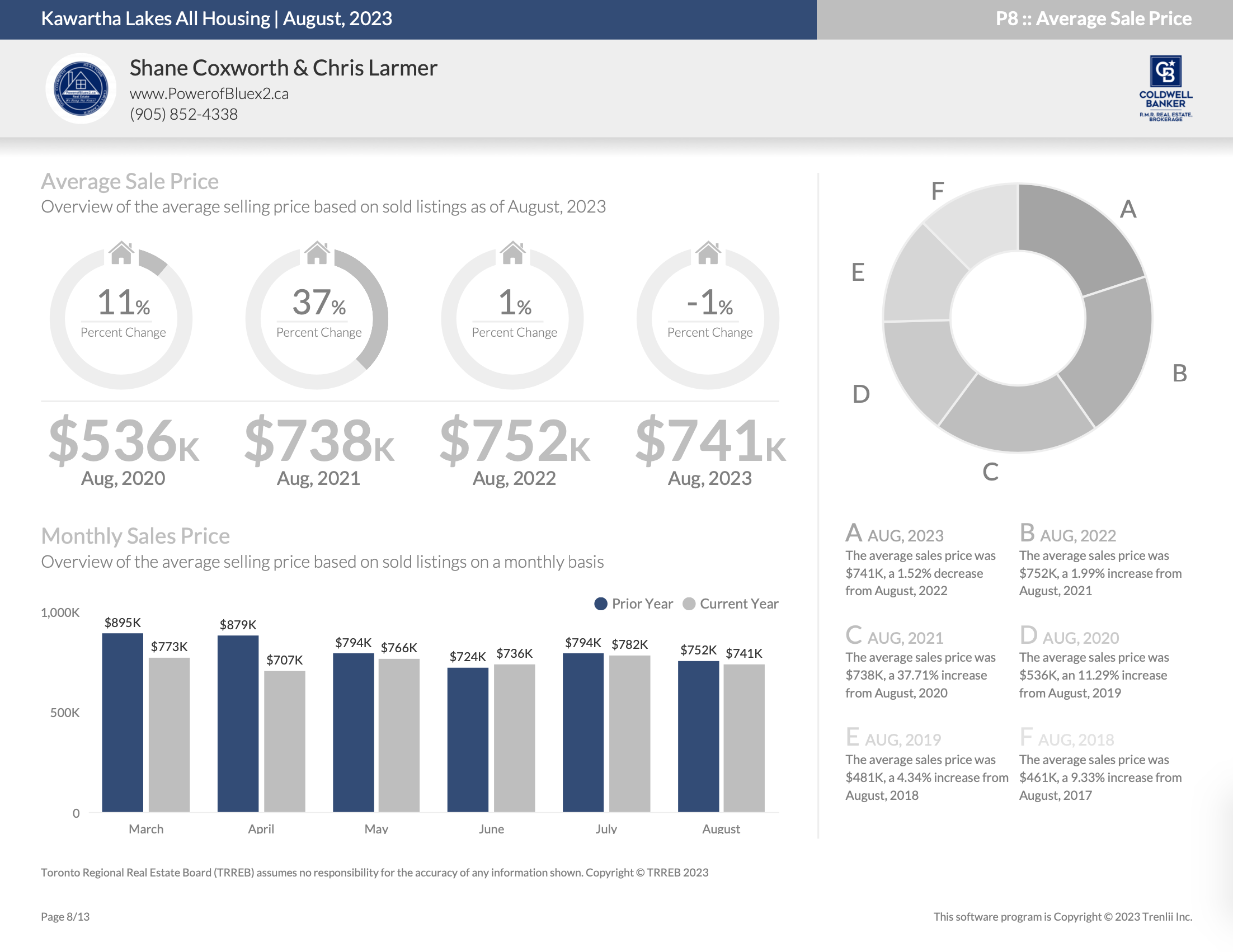
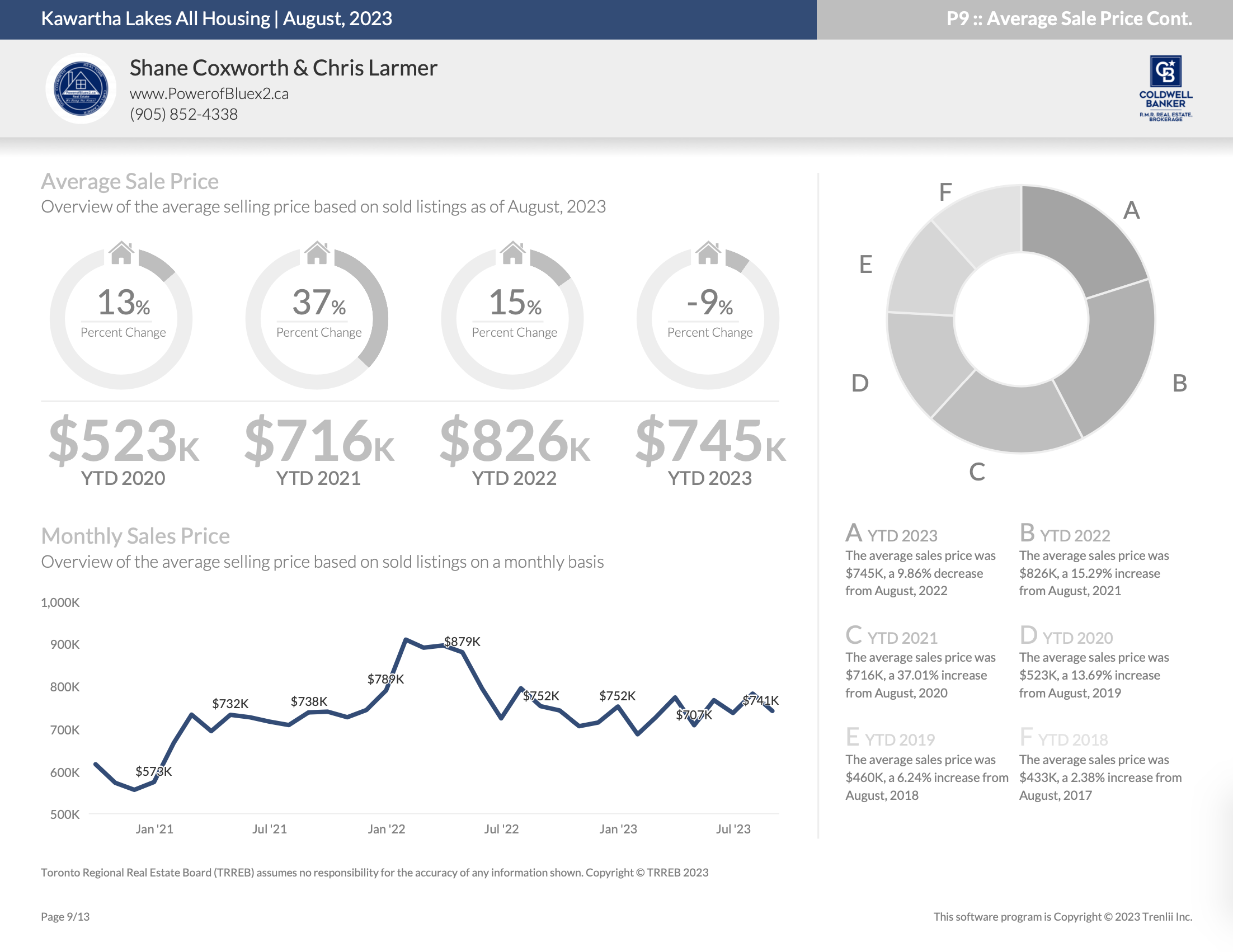
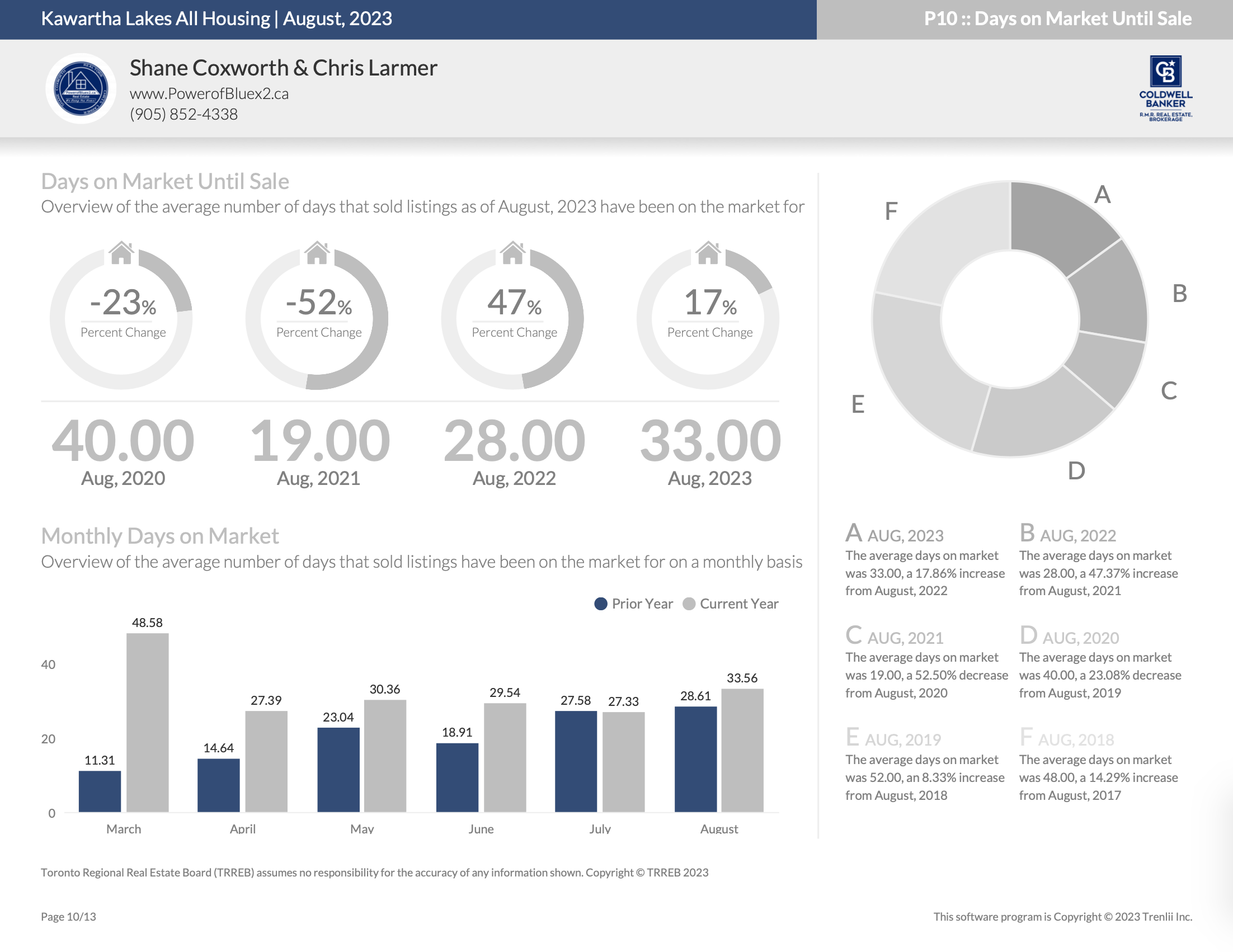
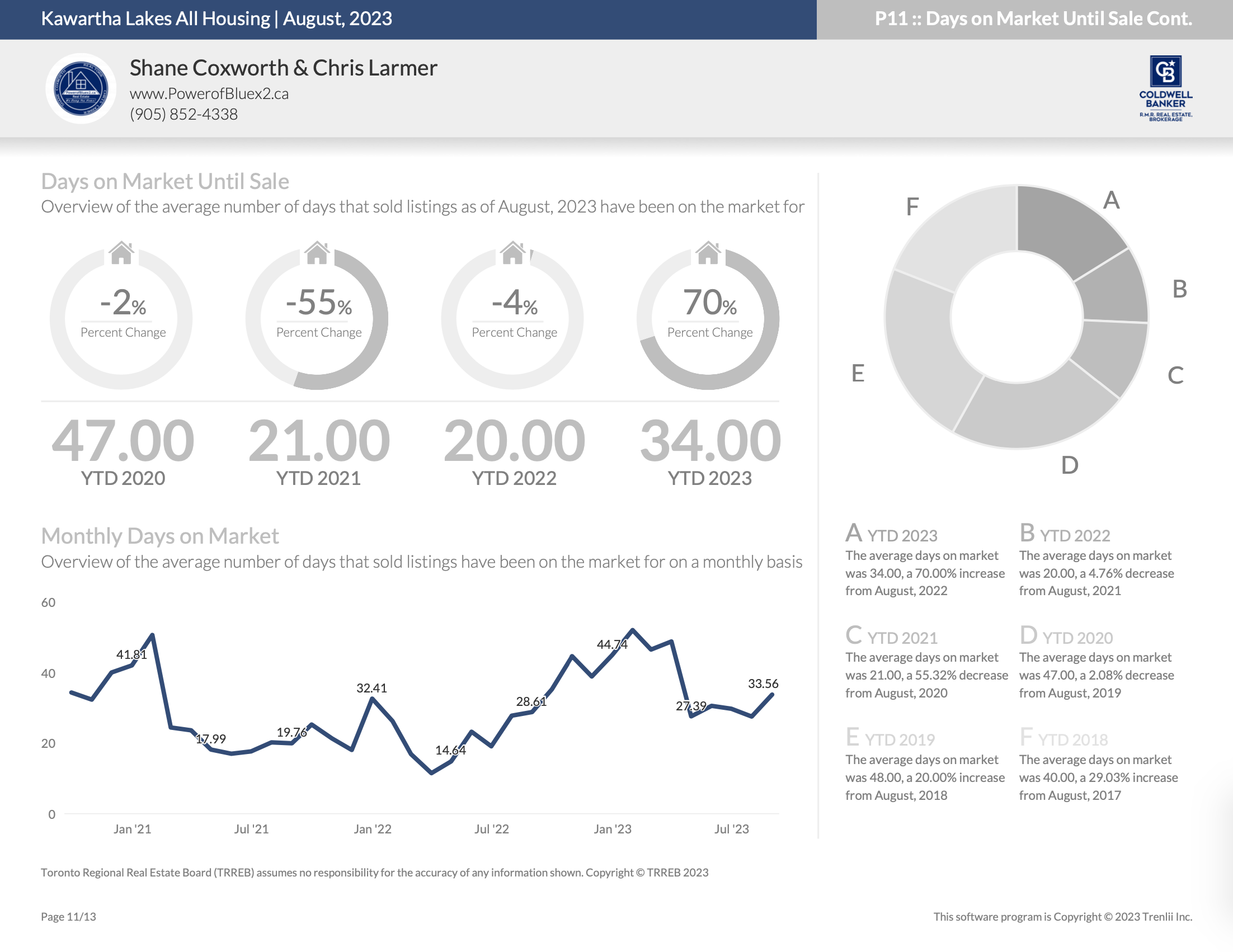
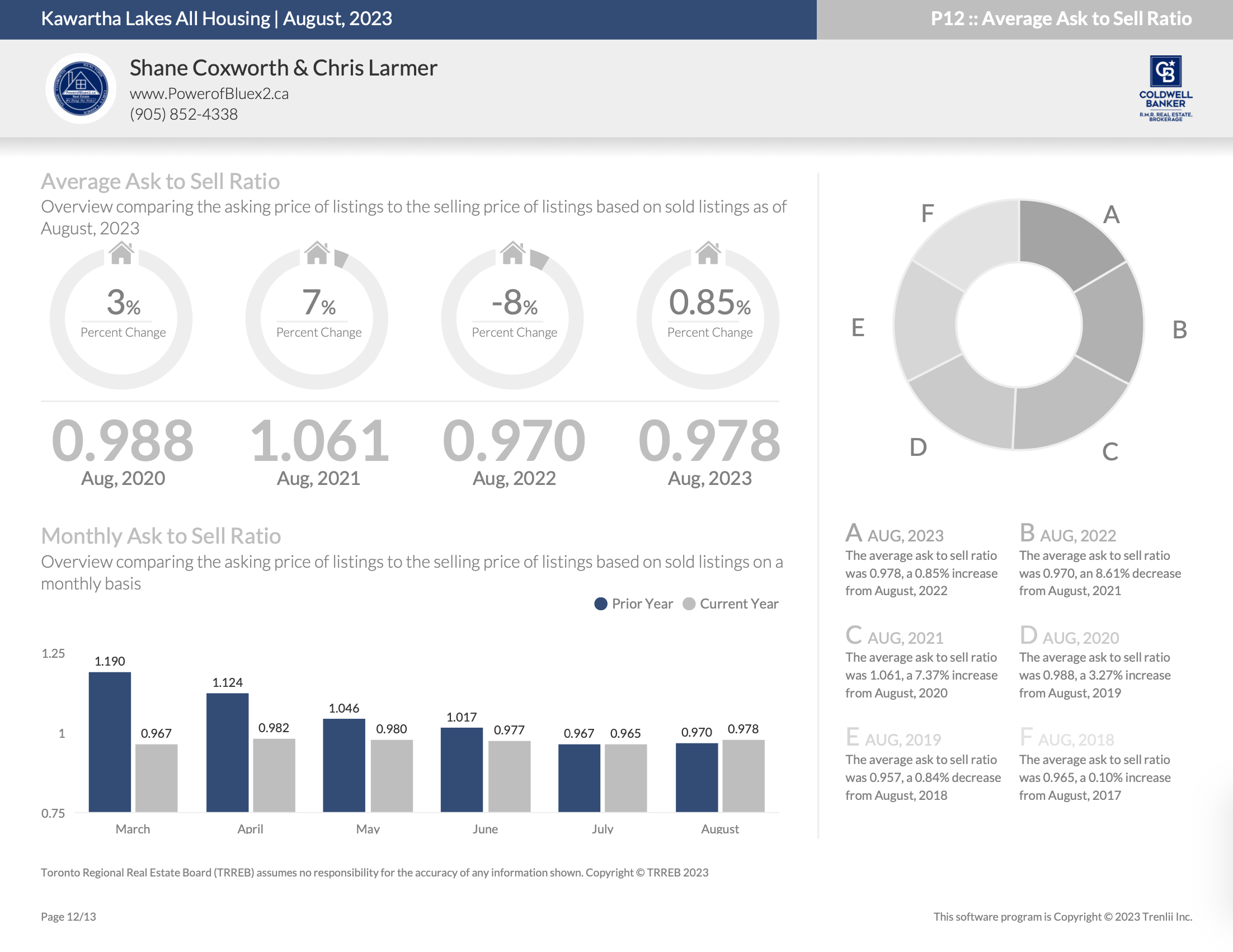
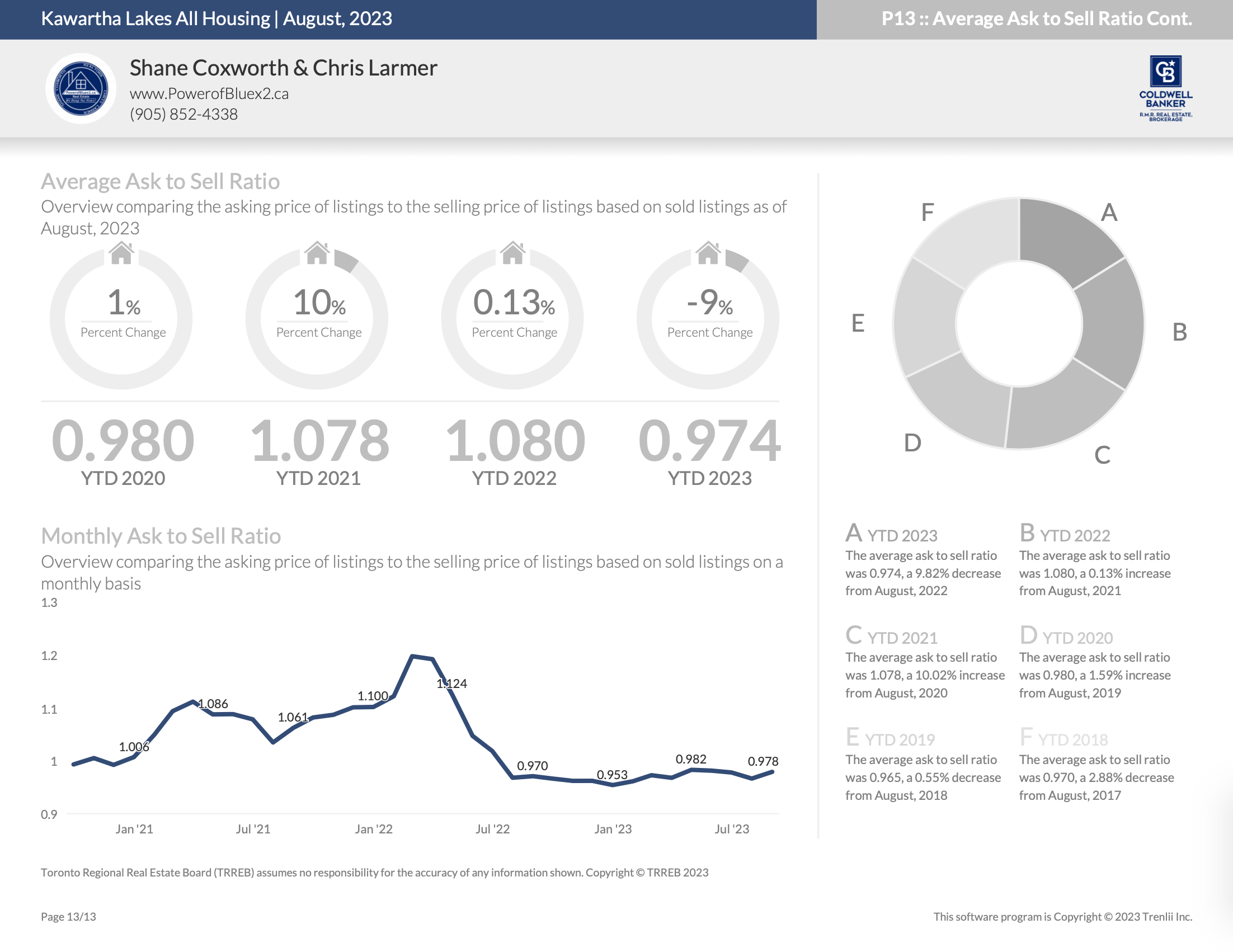
This housing report for Kawartha Lakes includes the number of new listings, average list price, number of properties sold, average selling price, average days on market and average asking price to selling price ratio for all property types within the Kawartha Lakes.
Scroll to the bottom for links to take you to the housing market reports for Durham, Uxbridge, Scugog and Brock.
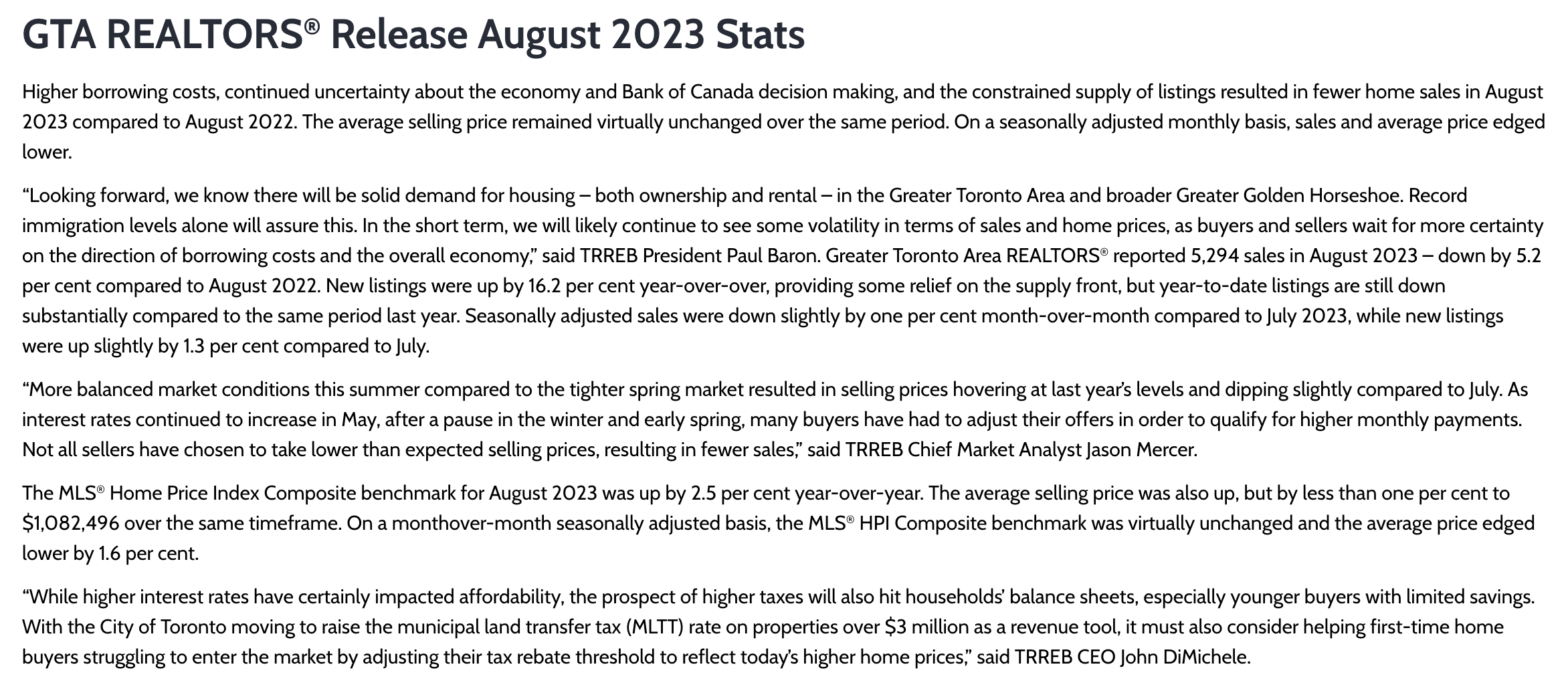
From Toronto Regional Real Estate Board
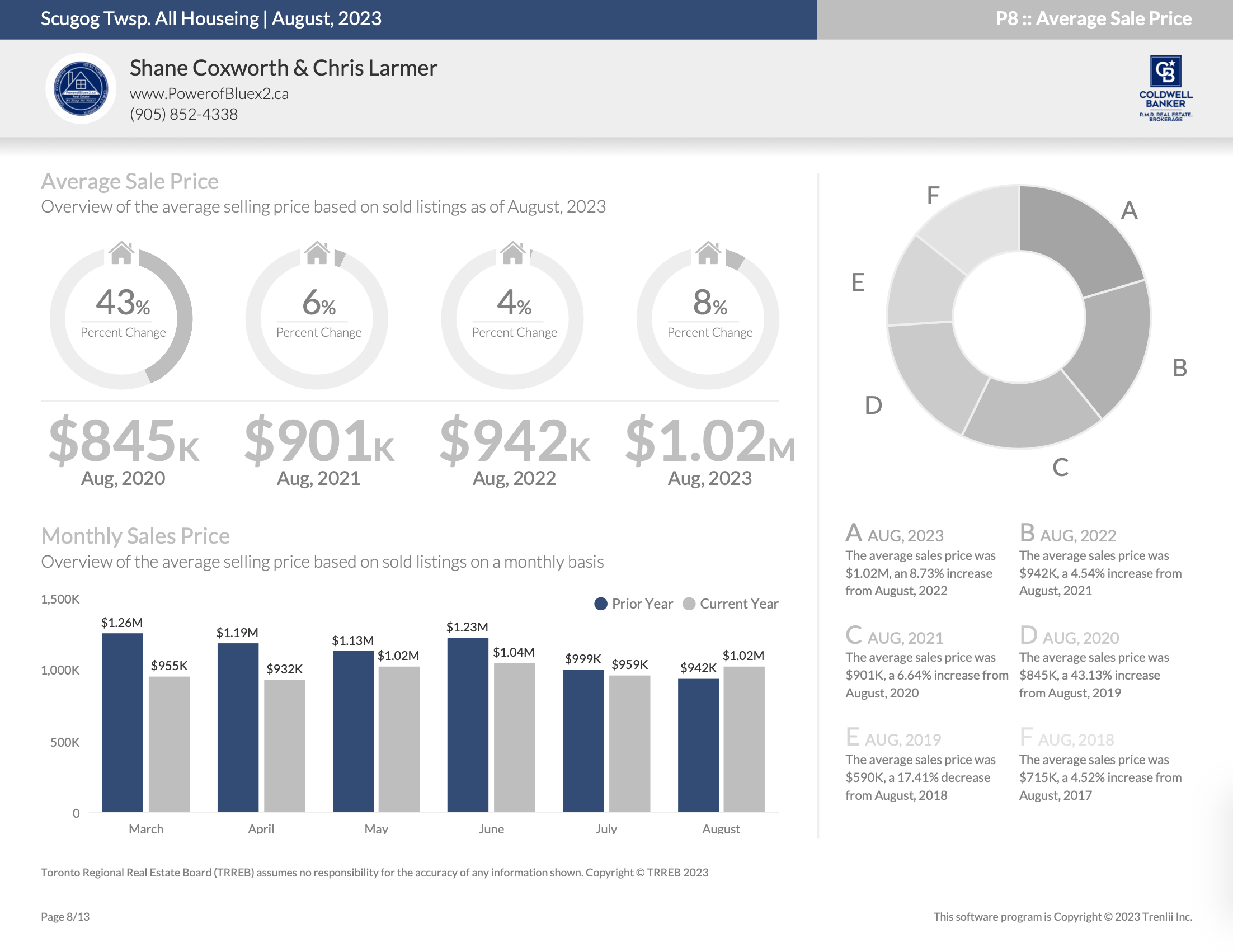
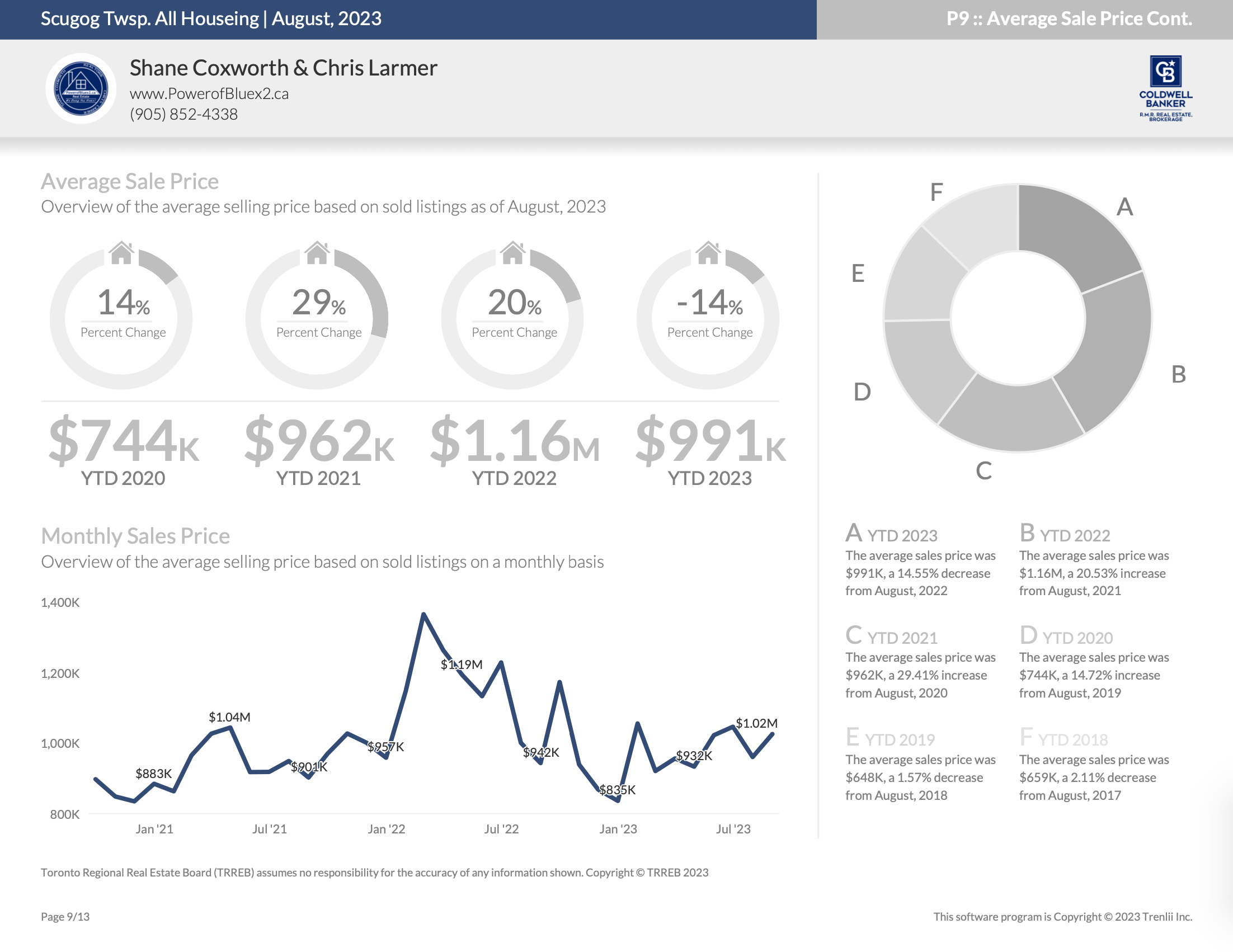
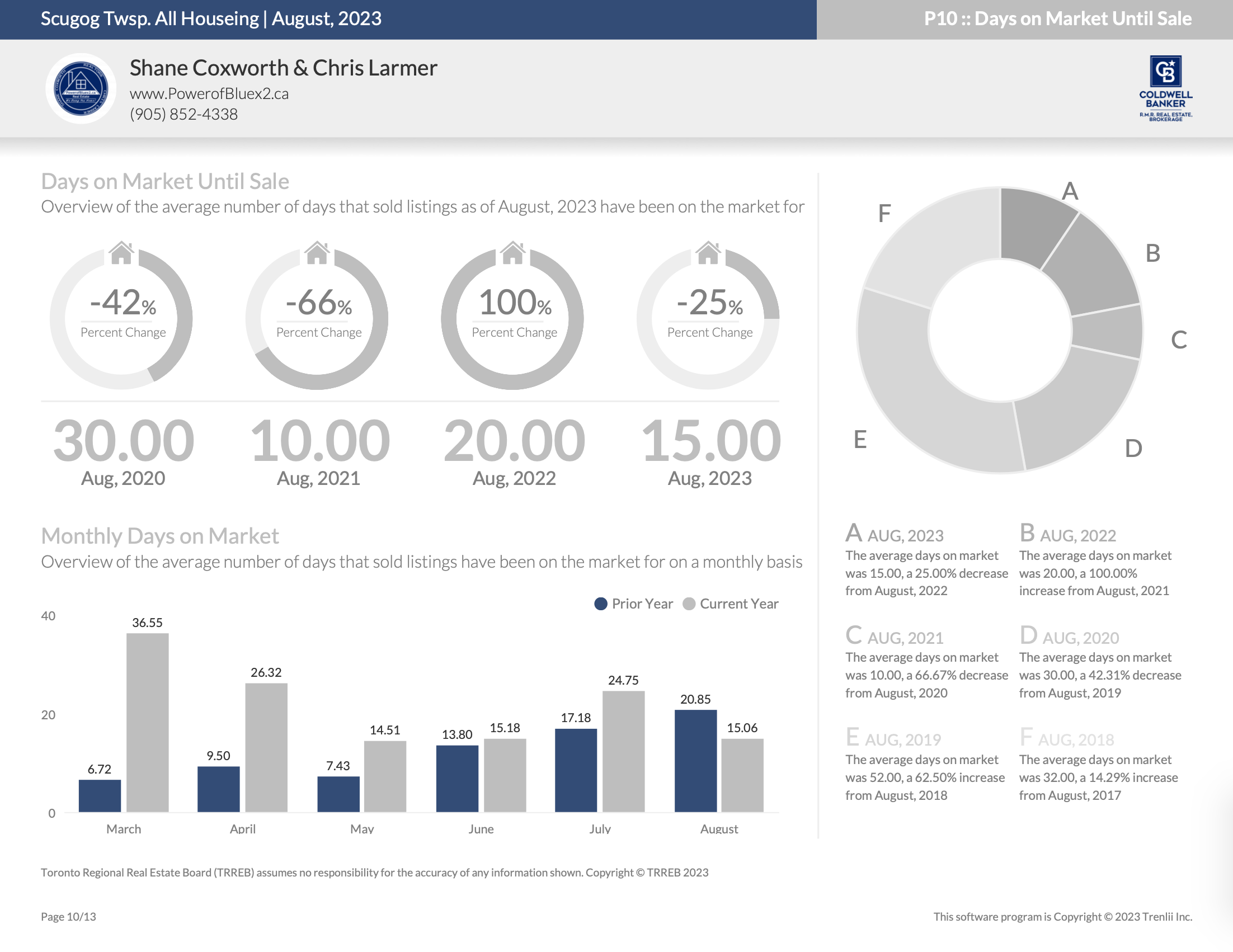
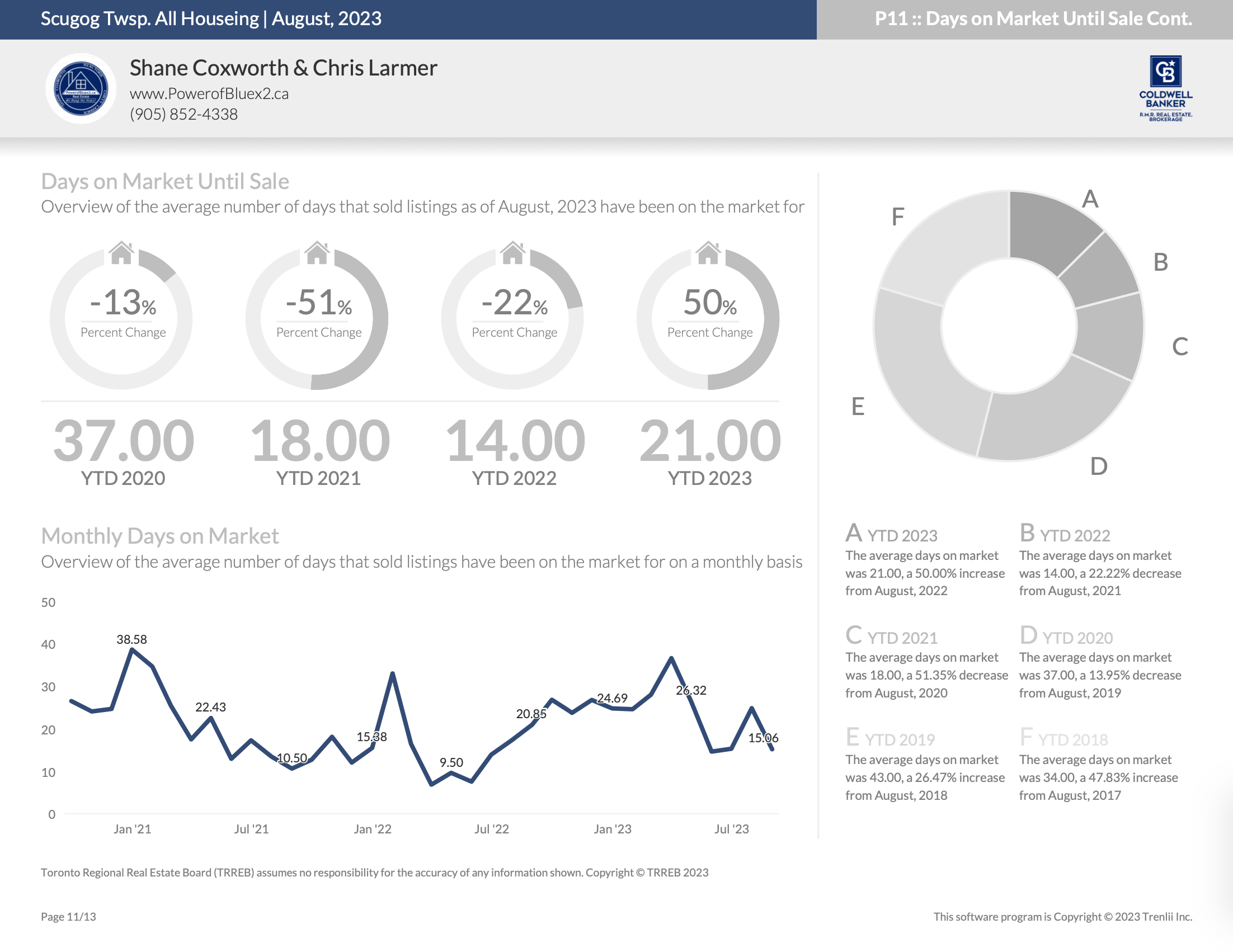
Toronto Regional Real Estate Board – Market Stats At A Glance – August 2023
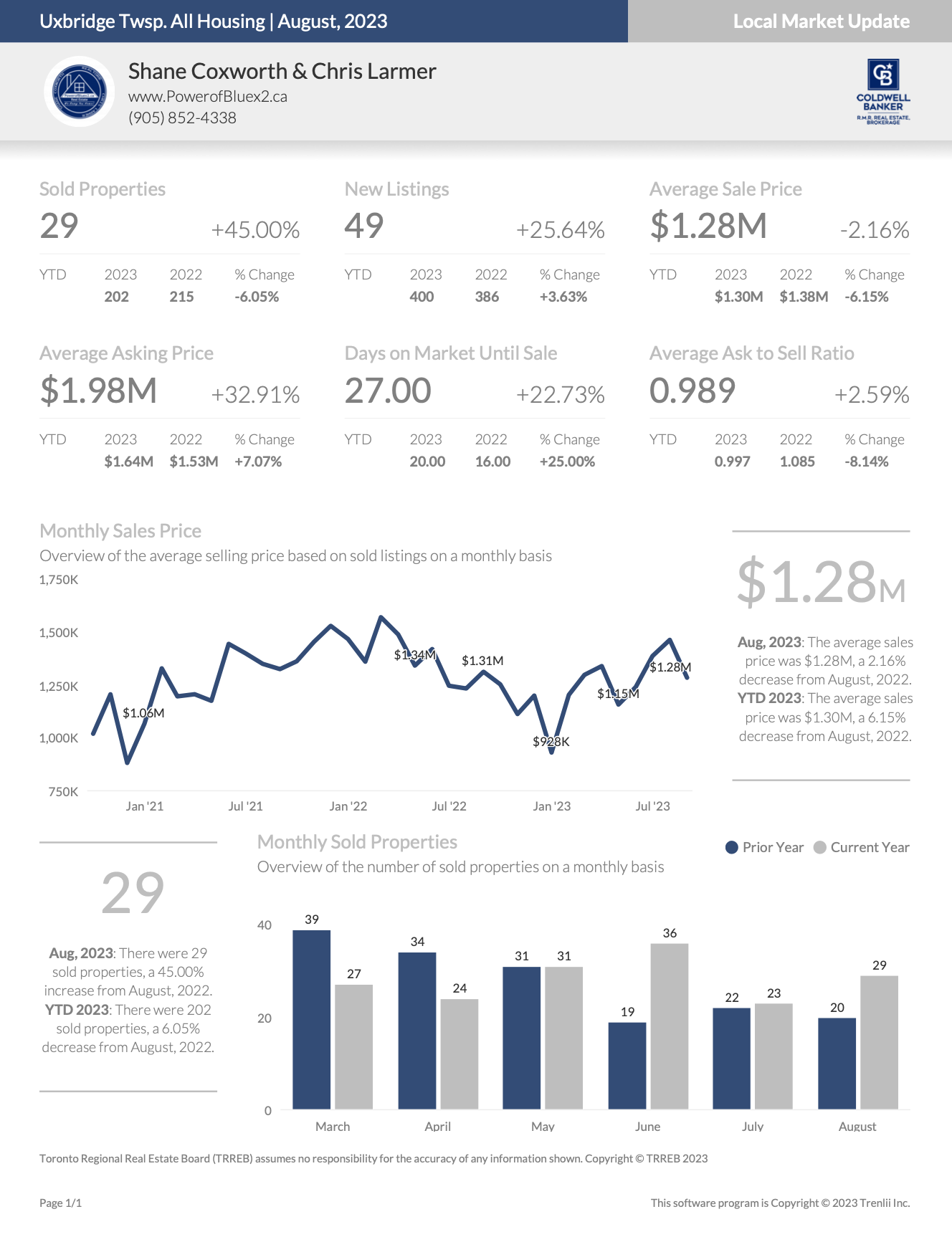
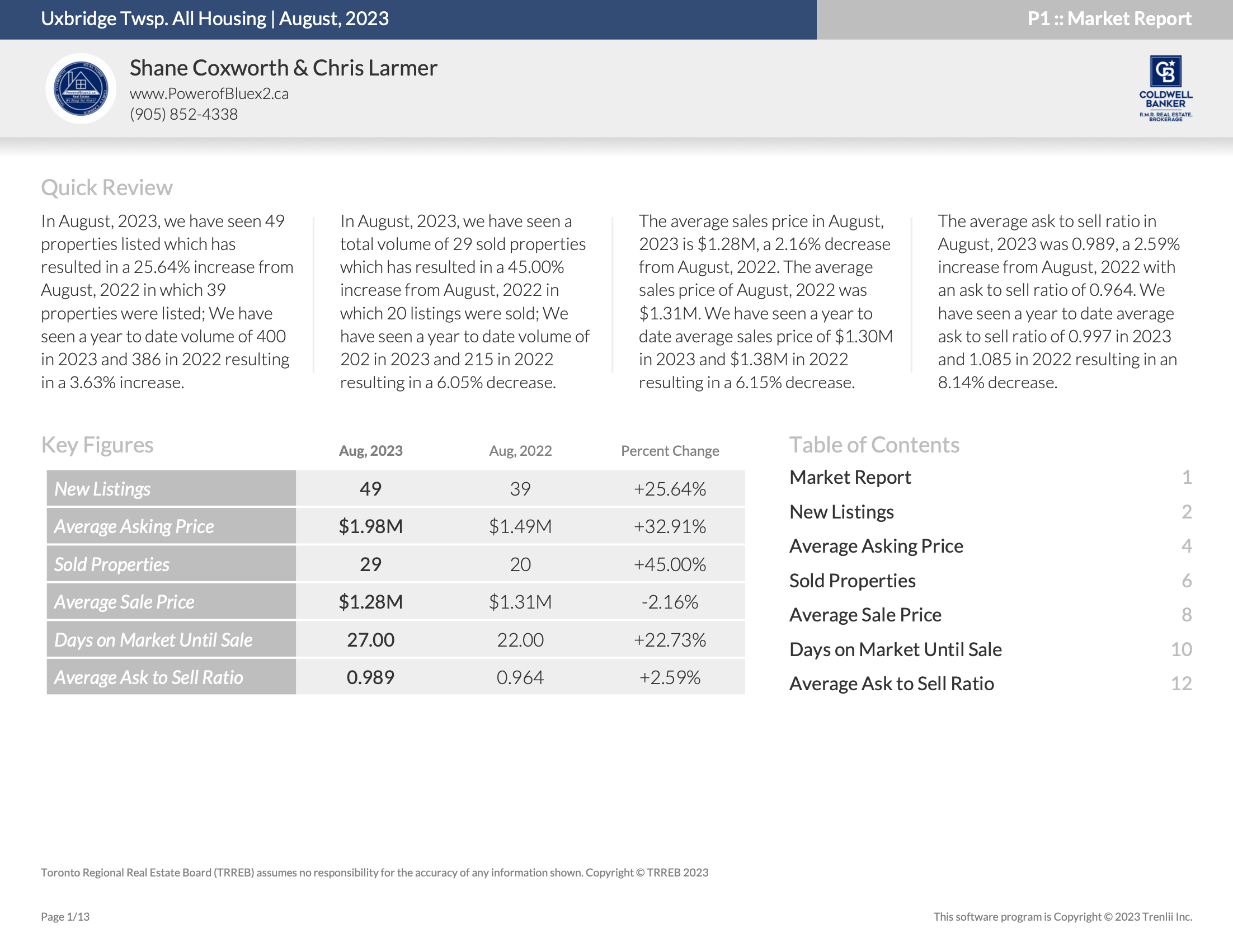
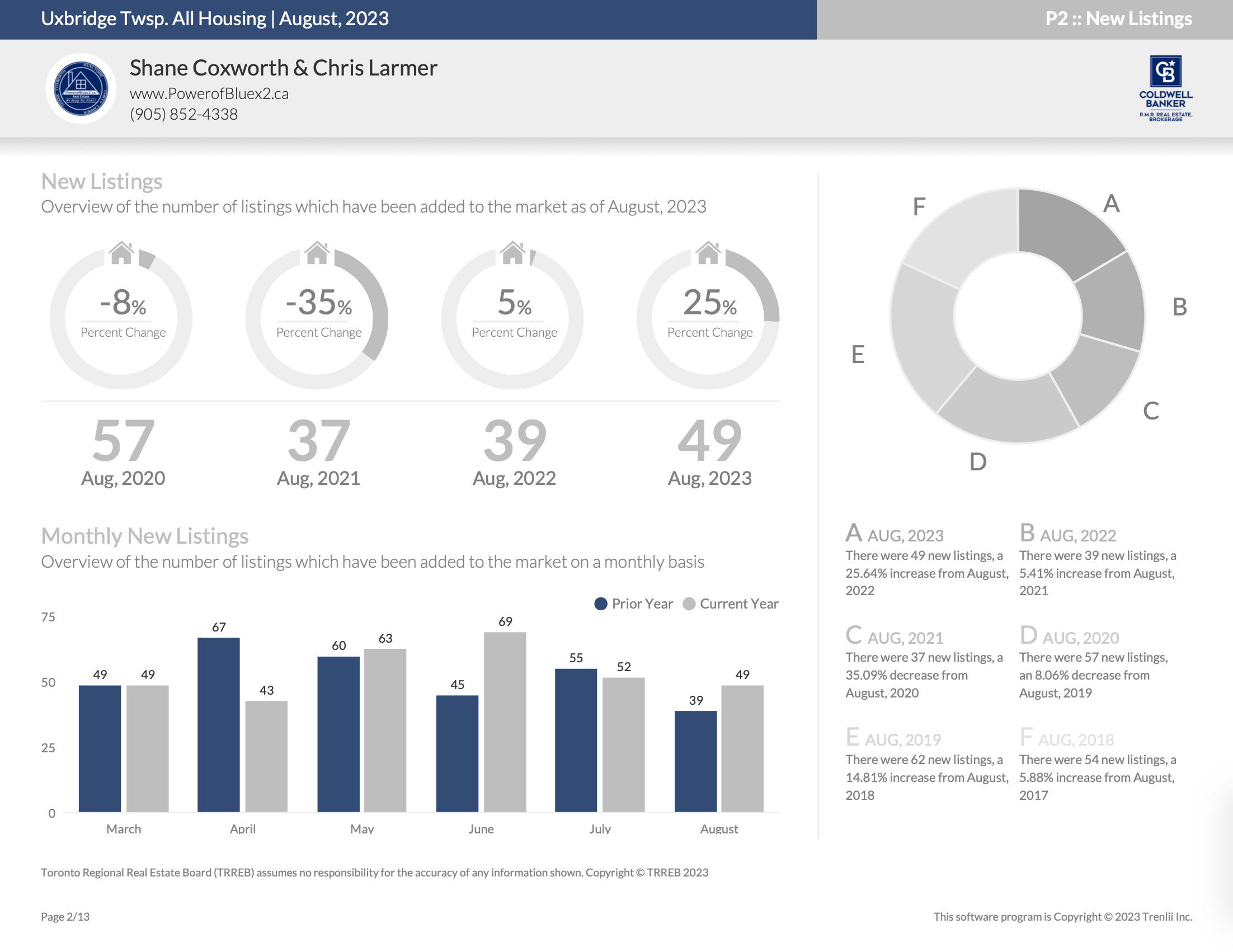
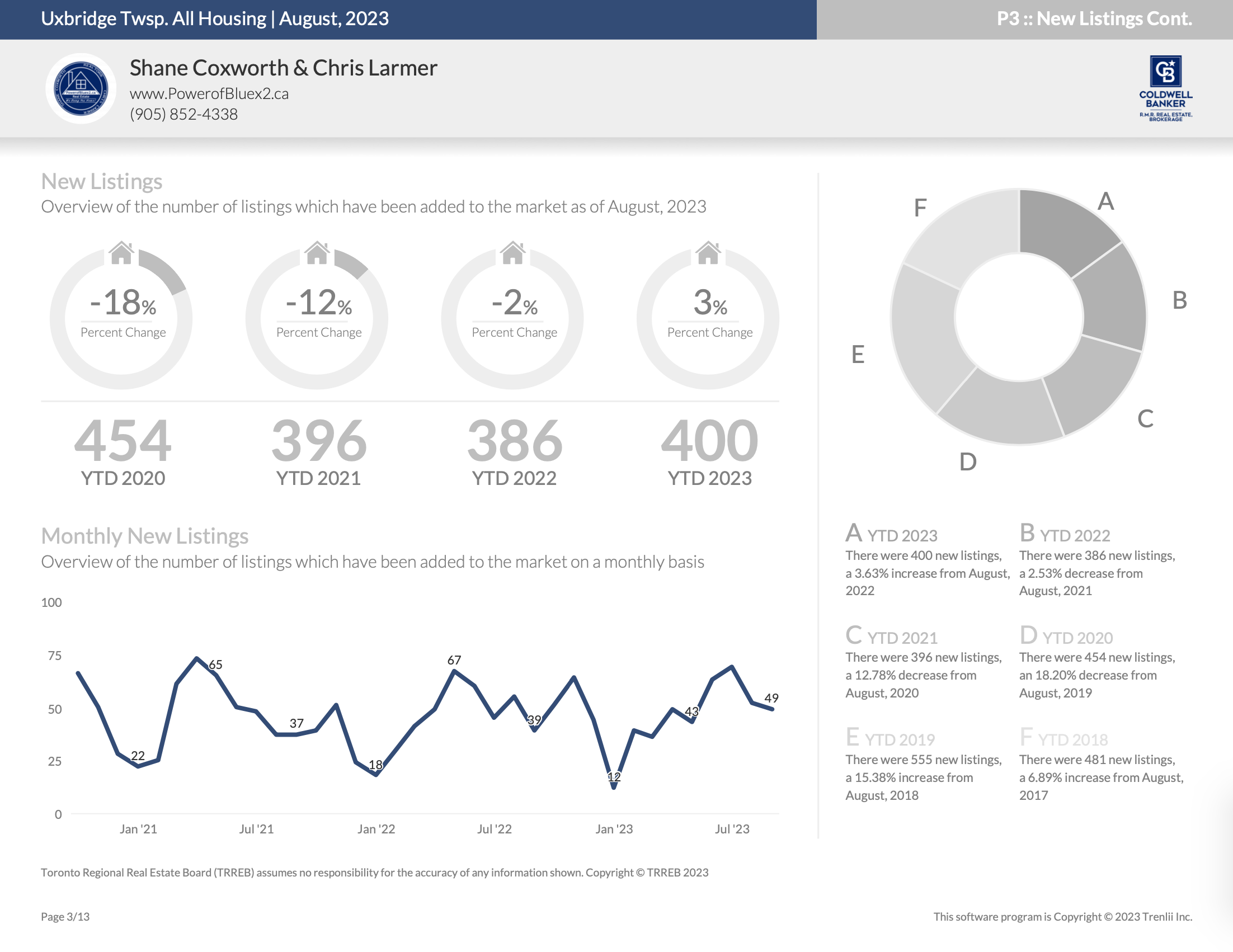
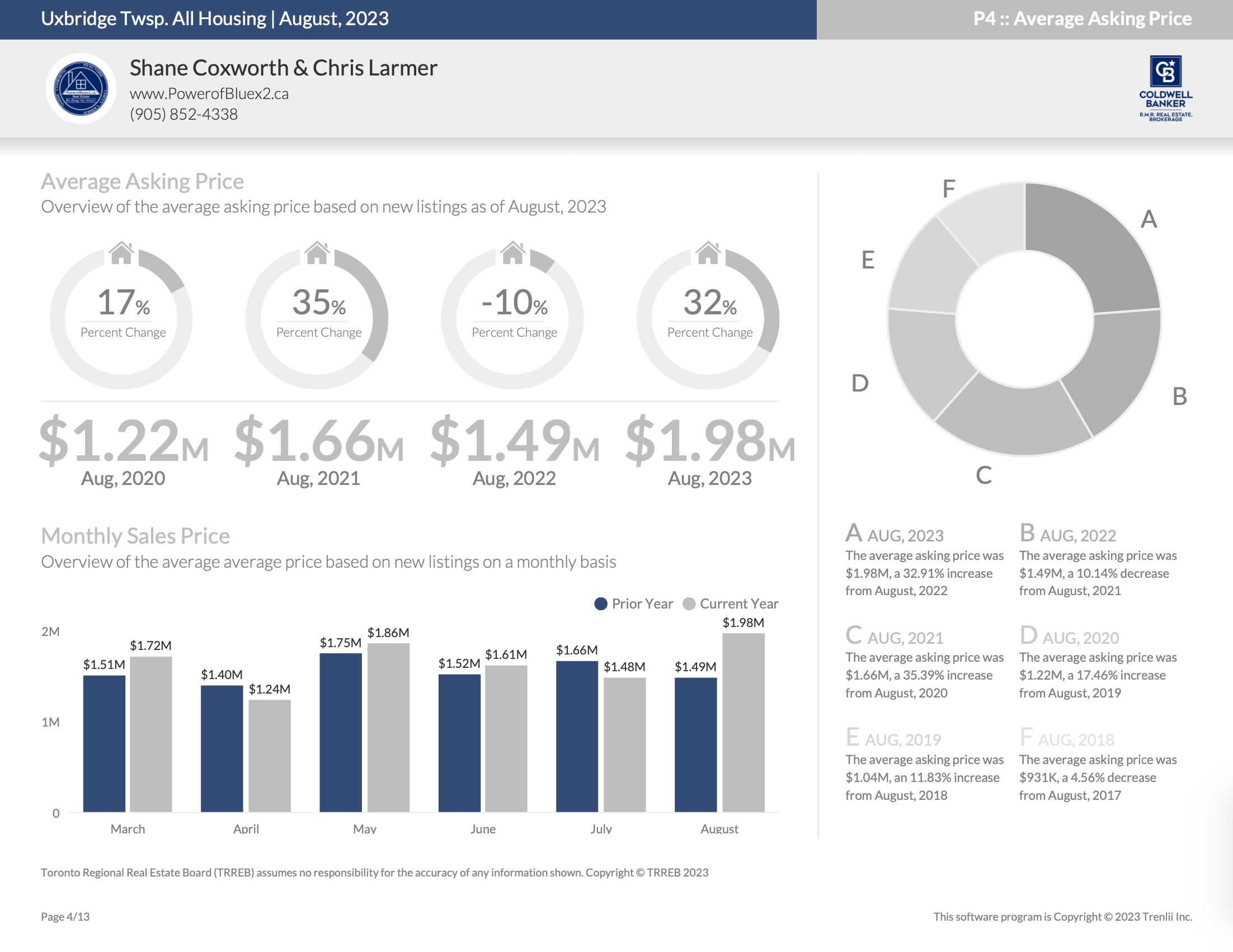
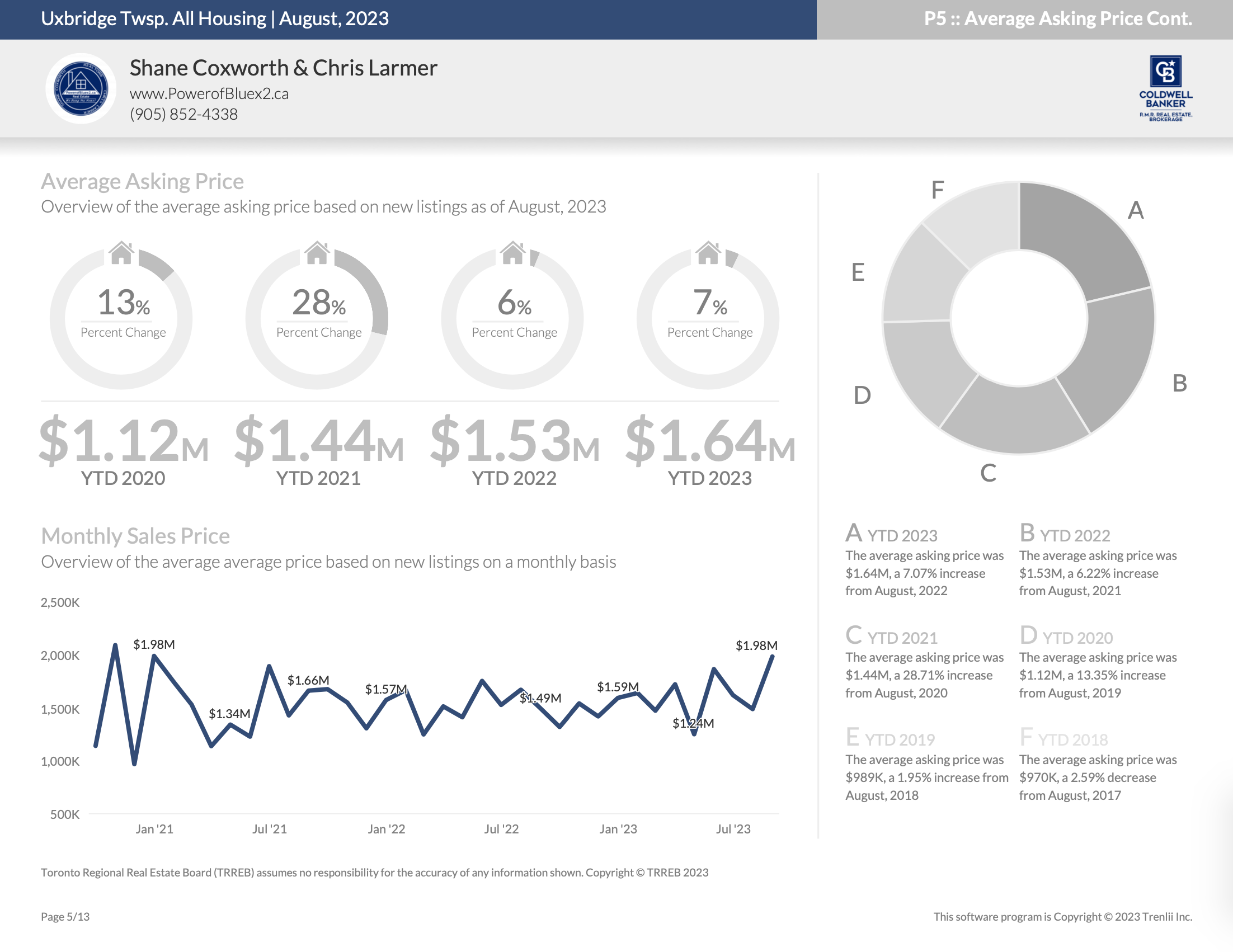
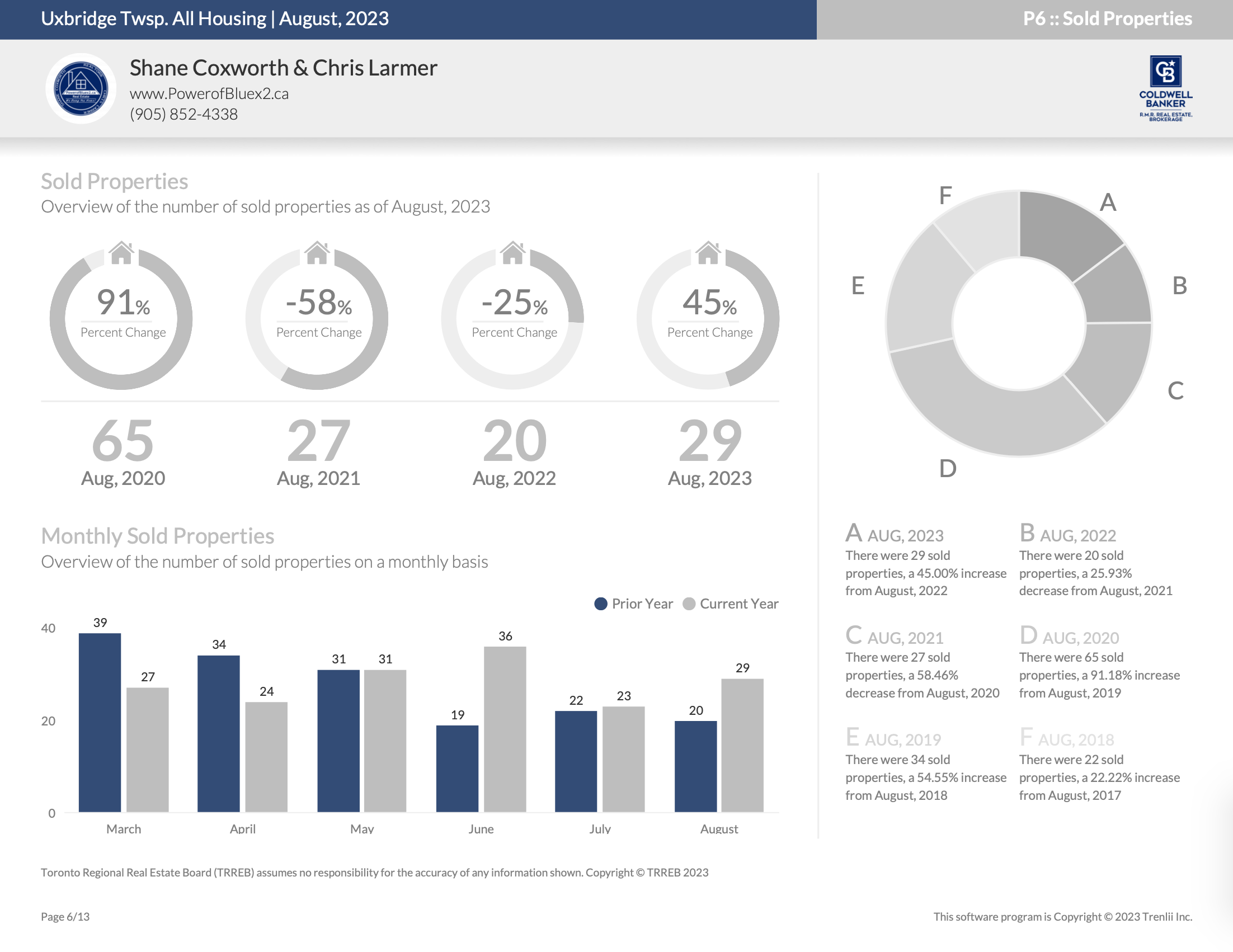
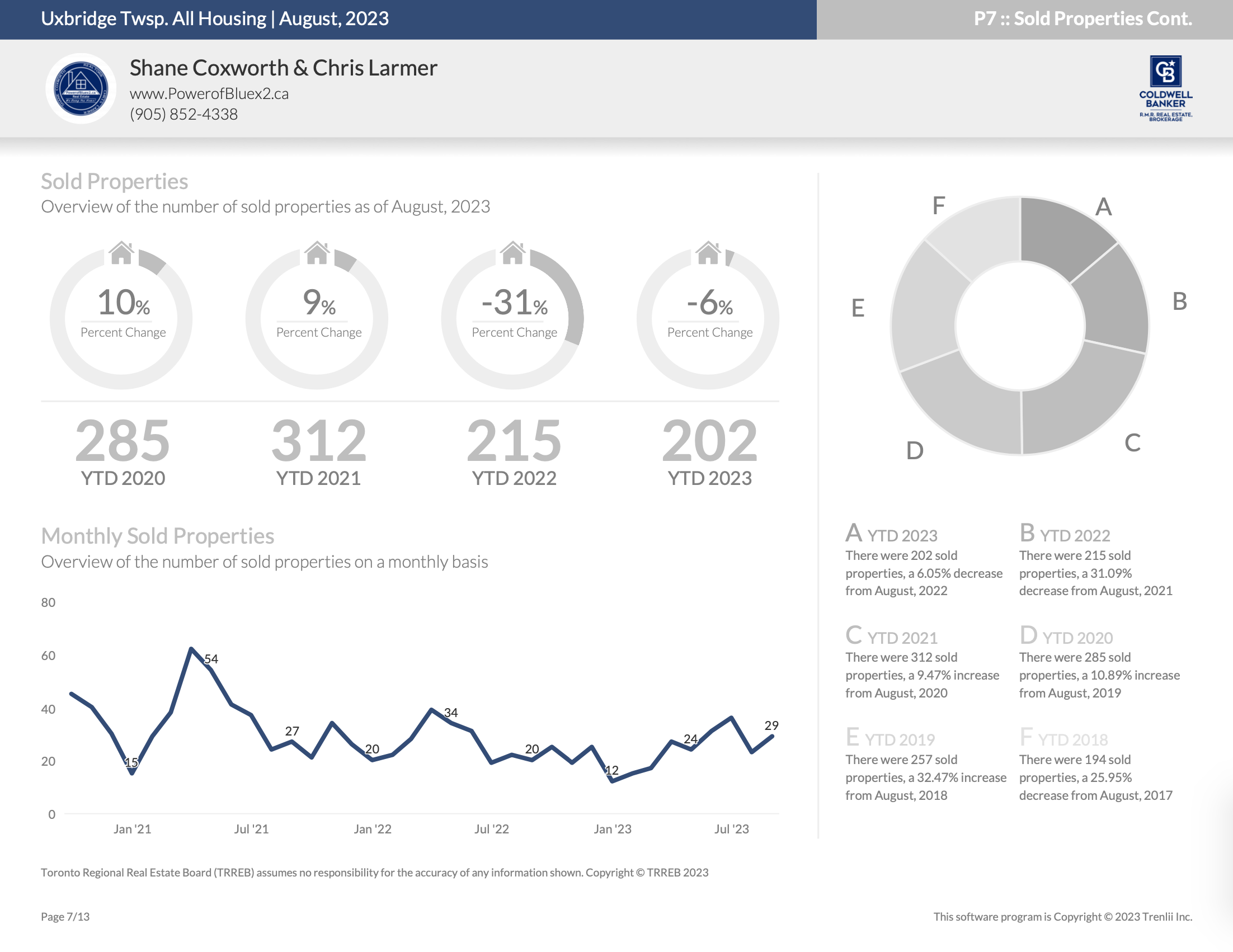
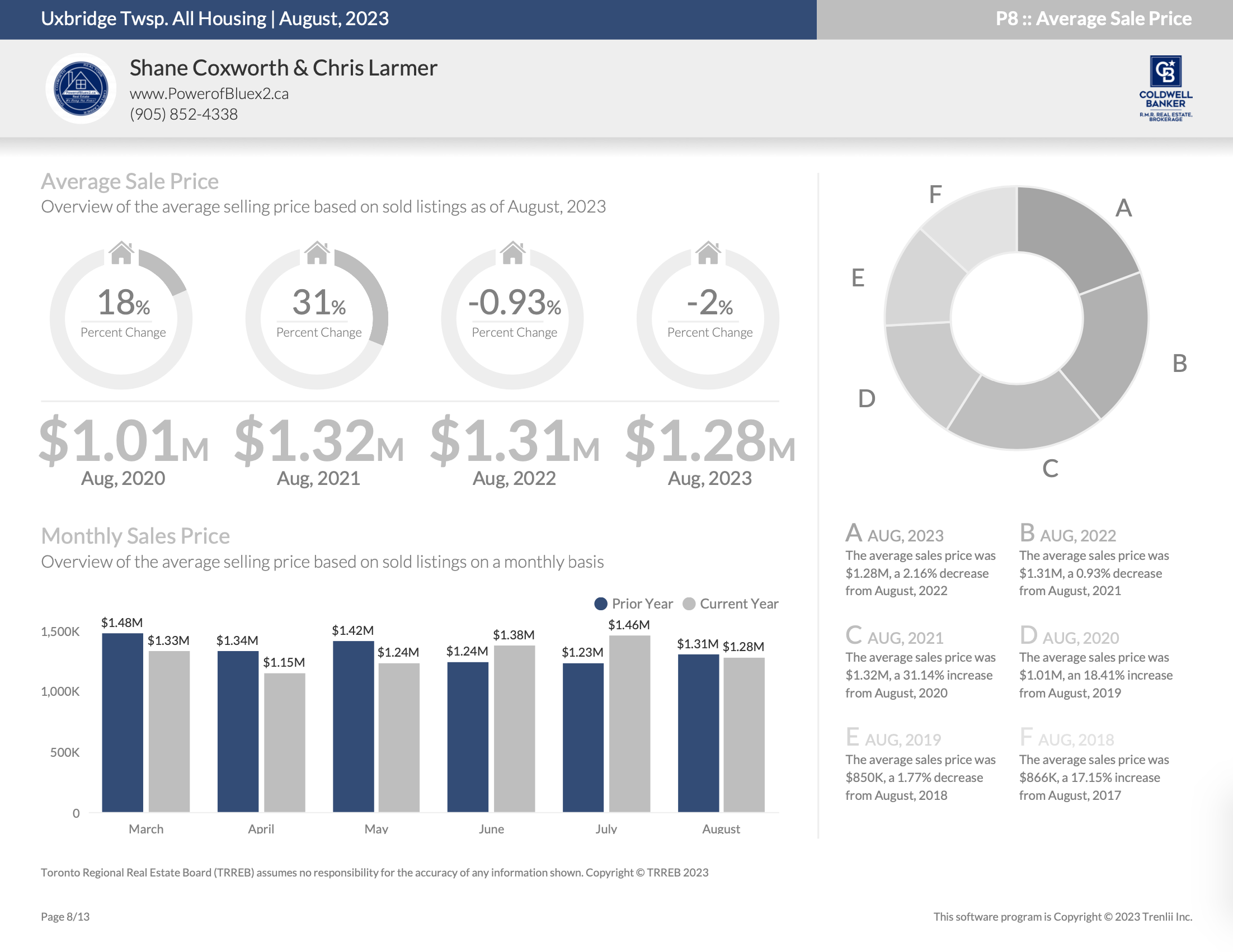
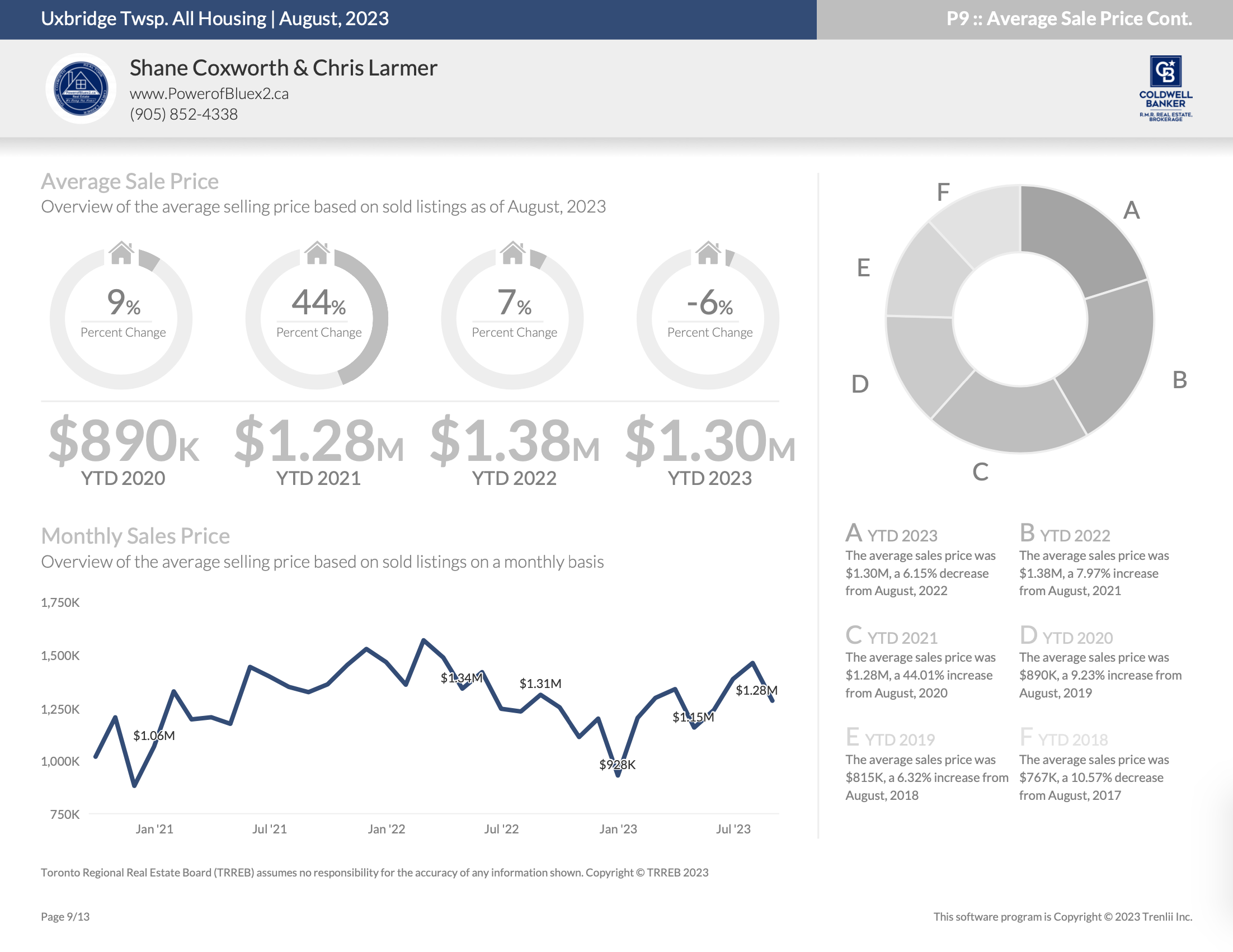
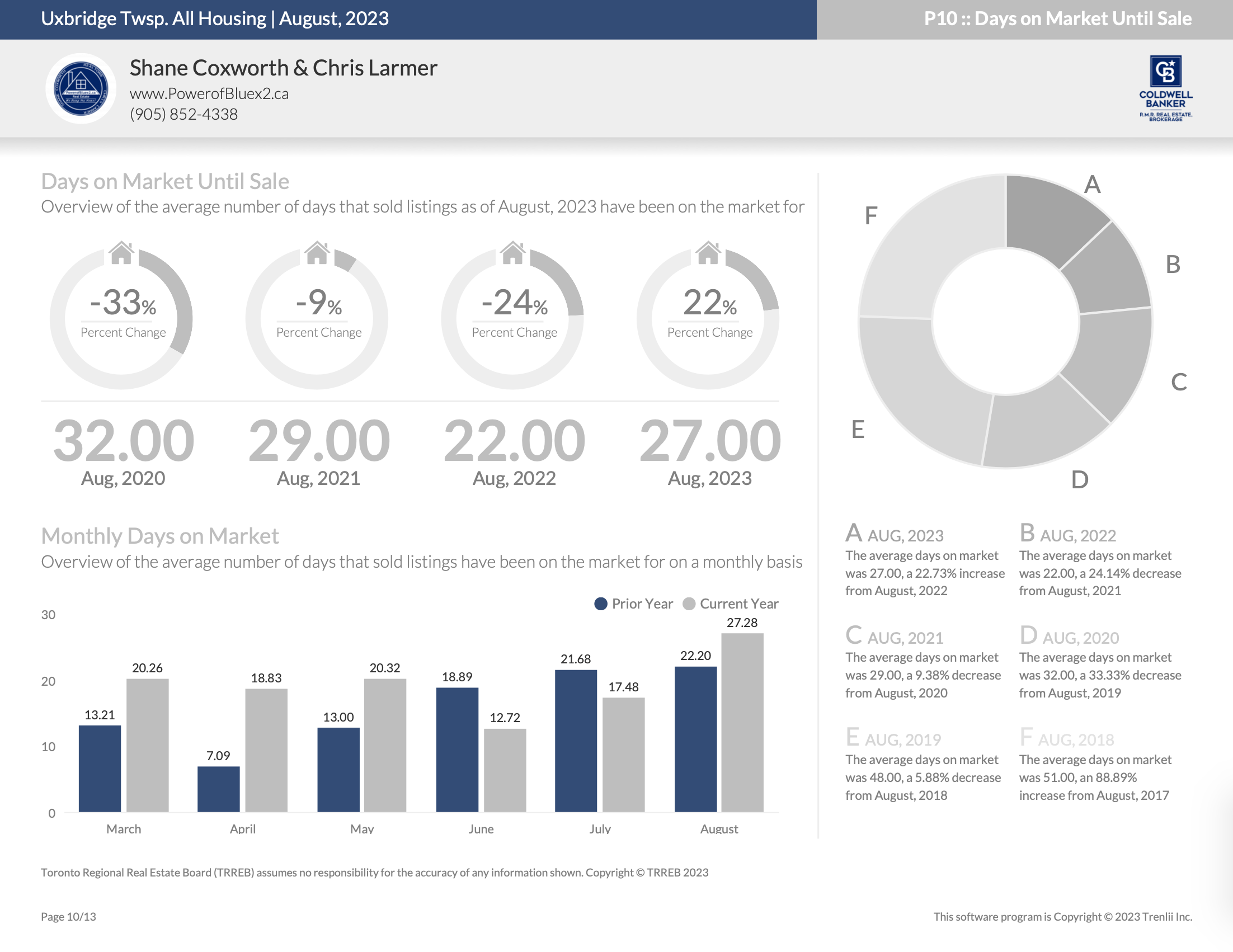
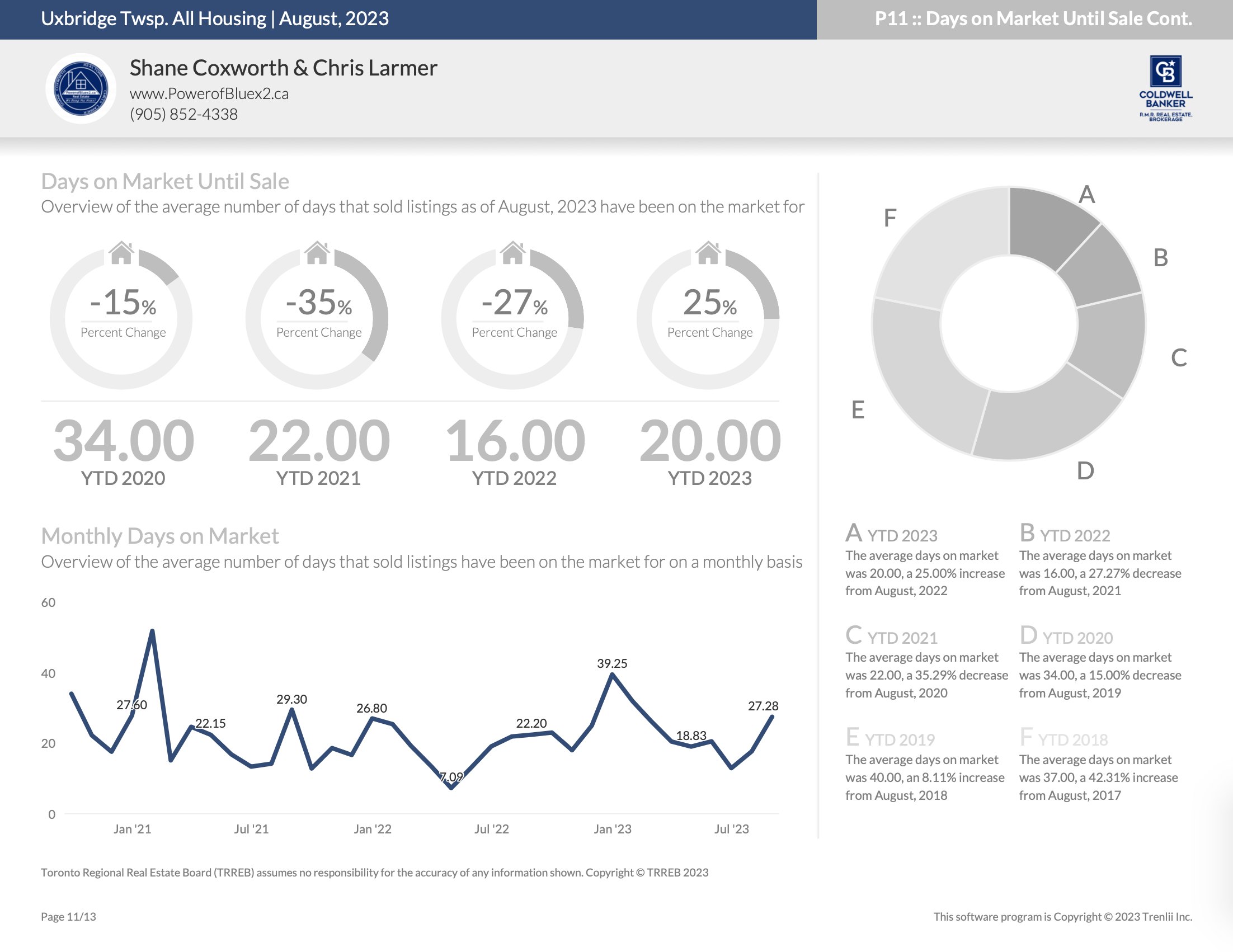
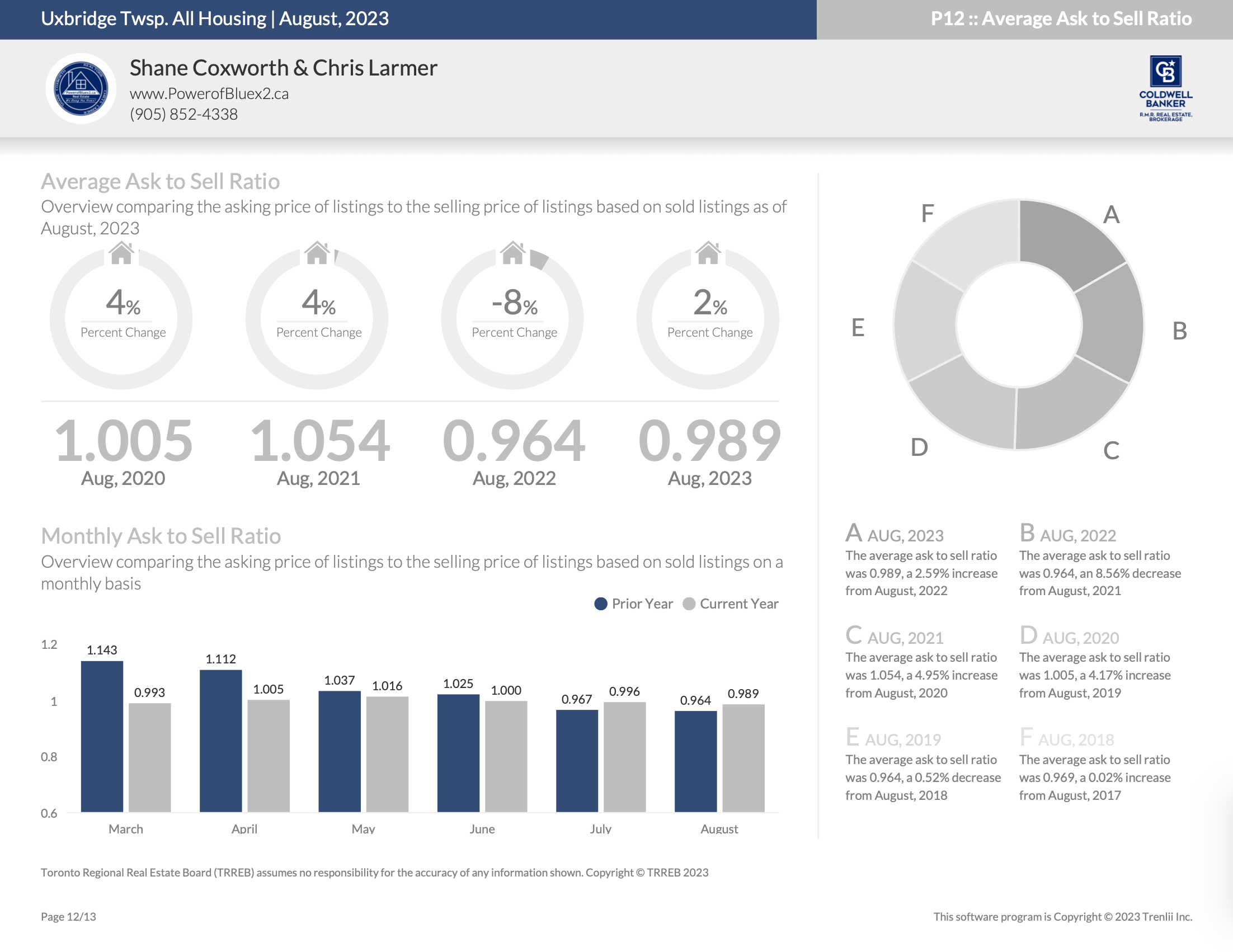
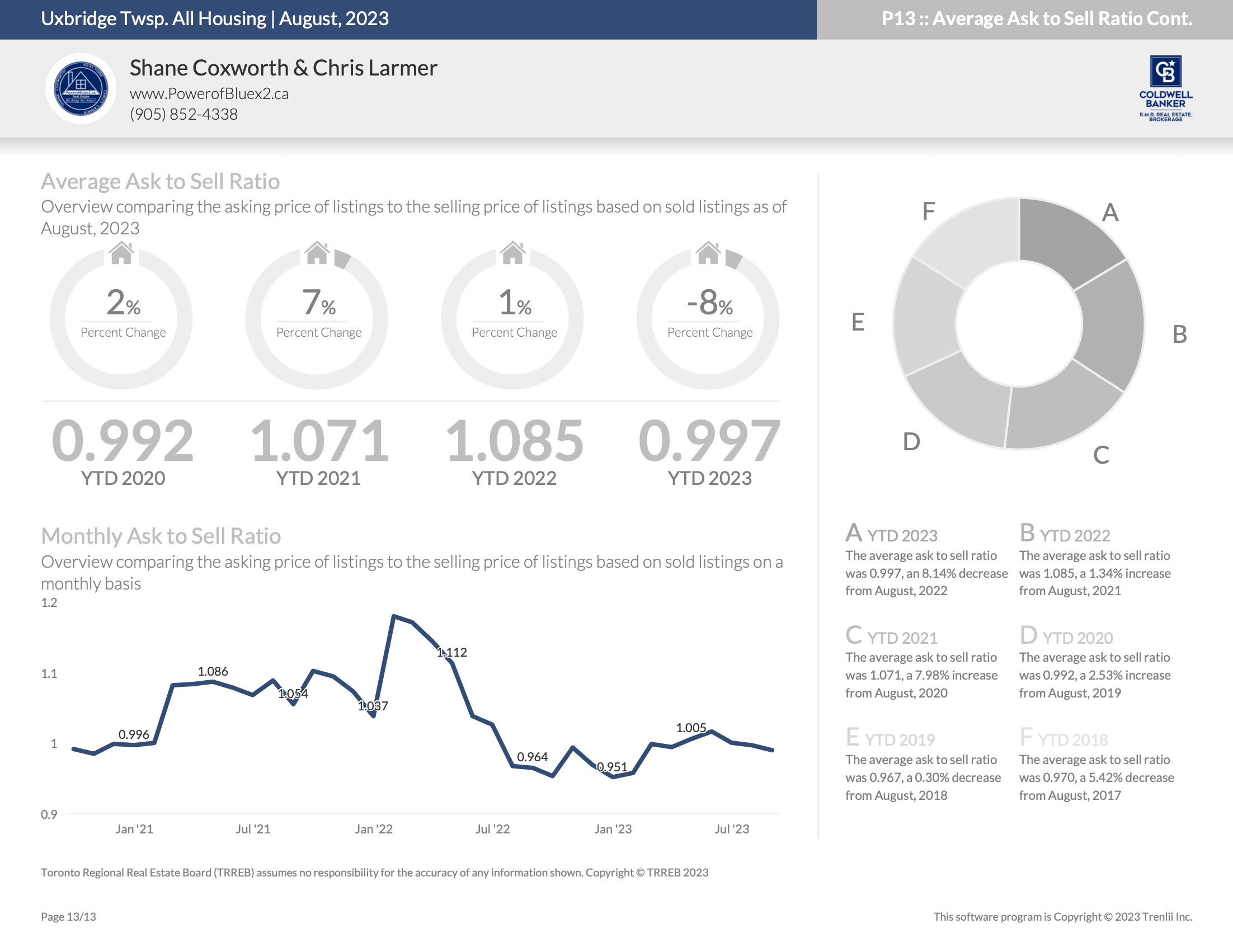
This housing report for Township of Uxbridge includes the number of new listings, average list price, number of properties sold, average selling price, average days on market and average asking price to selling price ratio for all property types within the Township of Uxbridge.
Scroll to the bottom for links to take you to the housing market reports for Durham, Scugog, Brock and the Kawartha Lakes.
From Toronto Regional Real Estate Board
Toronto Regional Real Estate Board – Market Stats At A Glance – August 2023
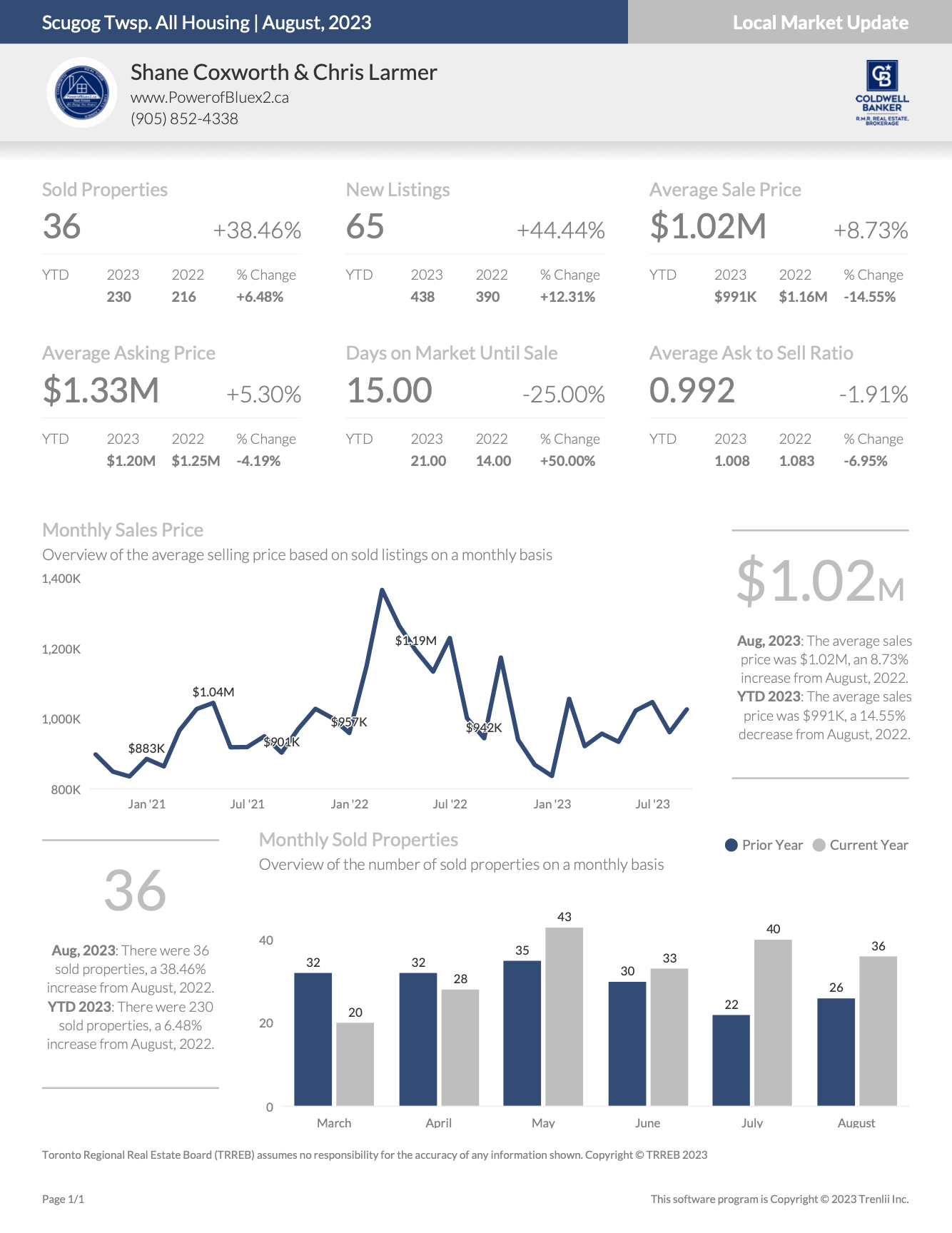
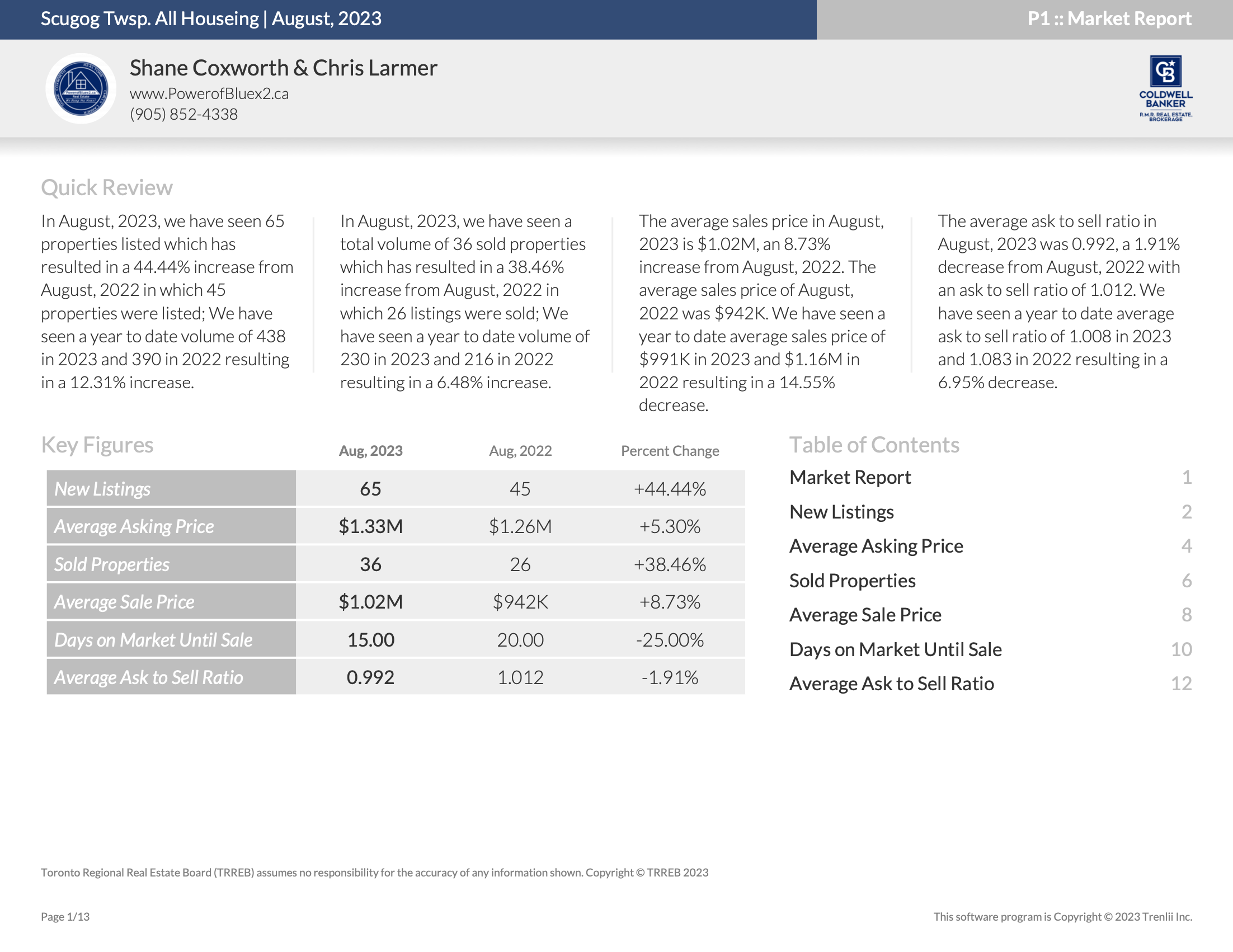
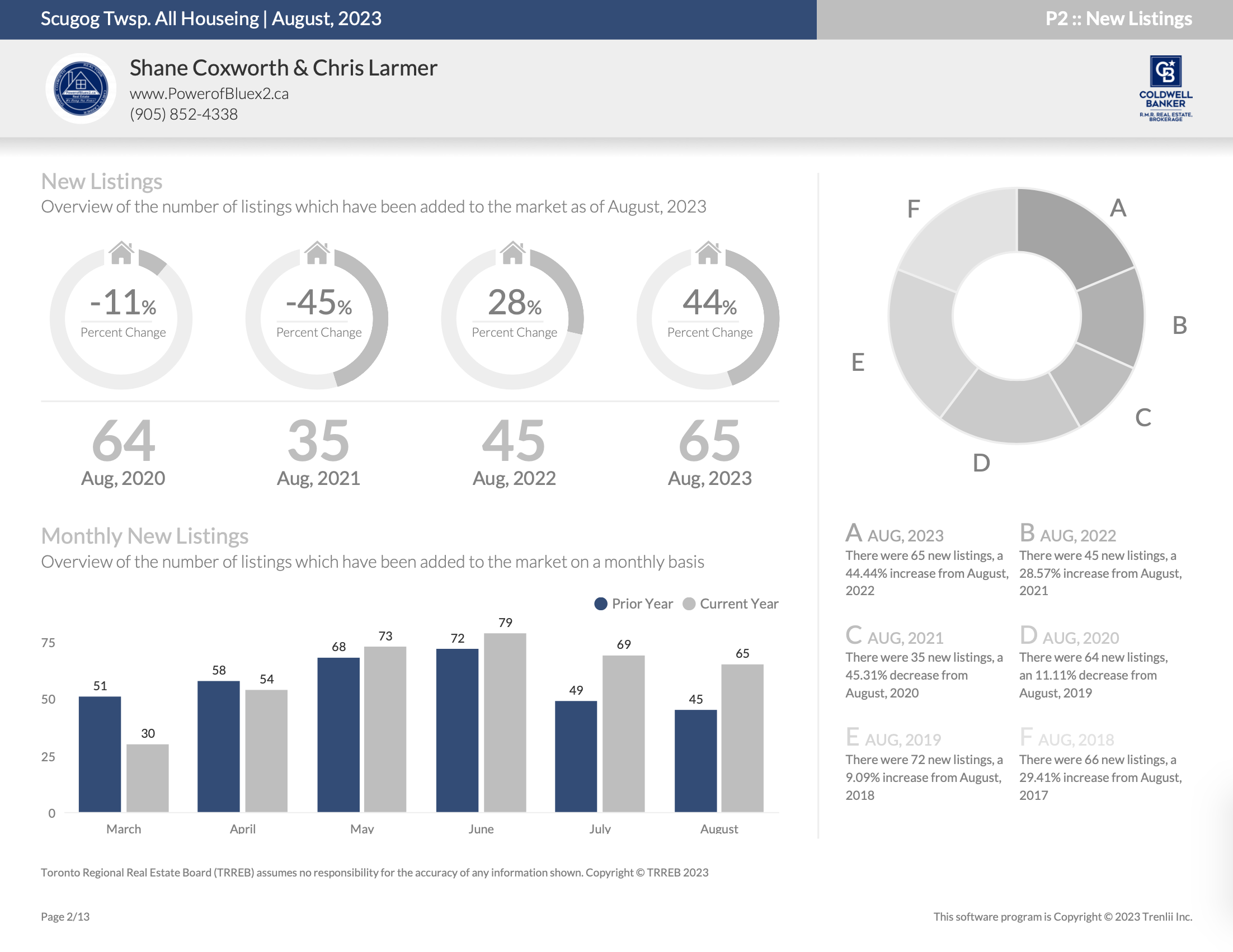
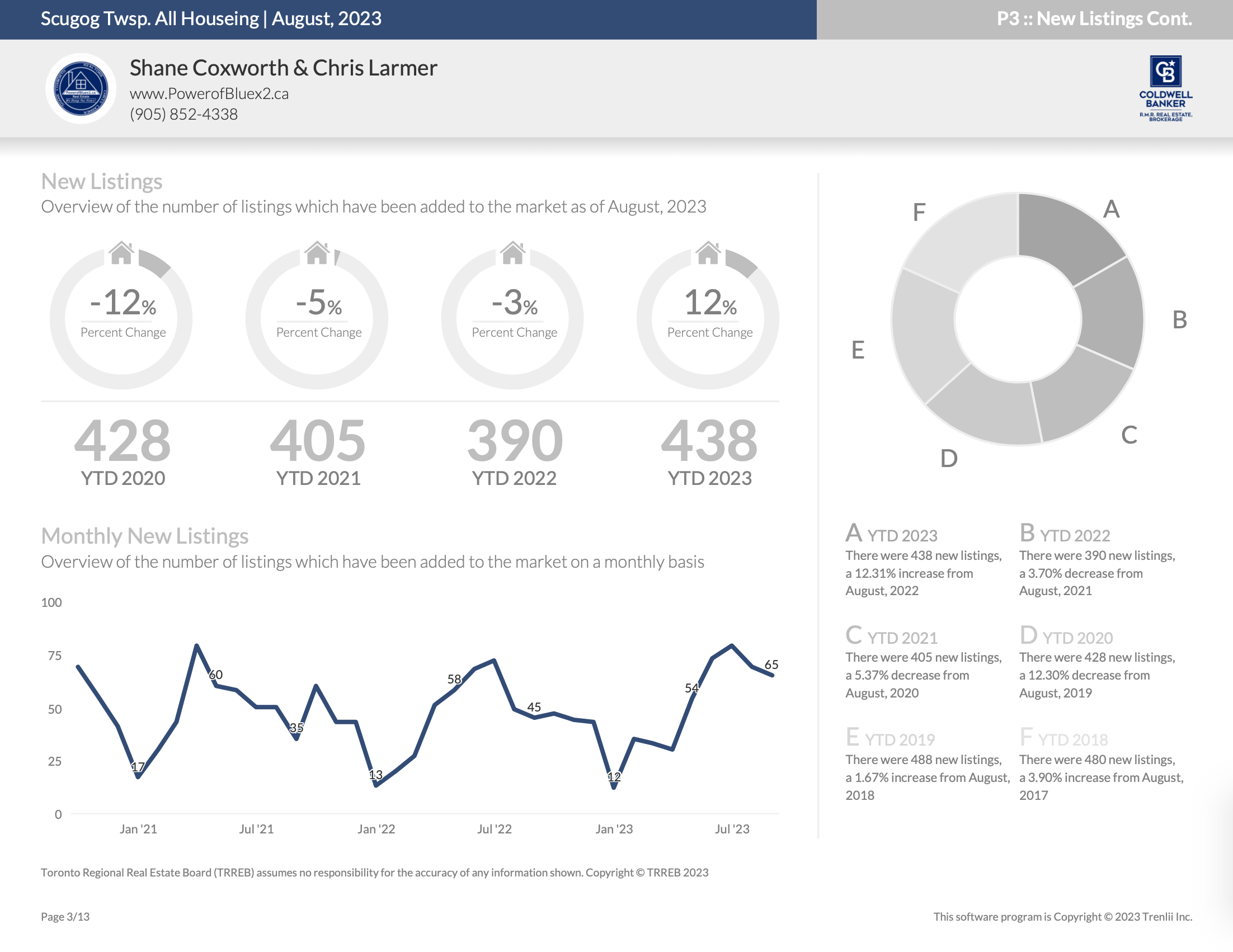
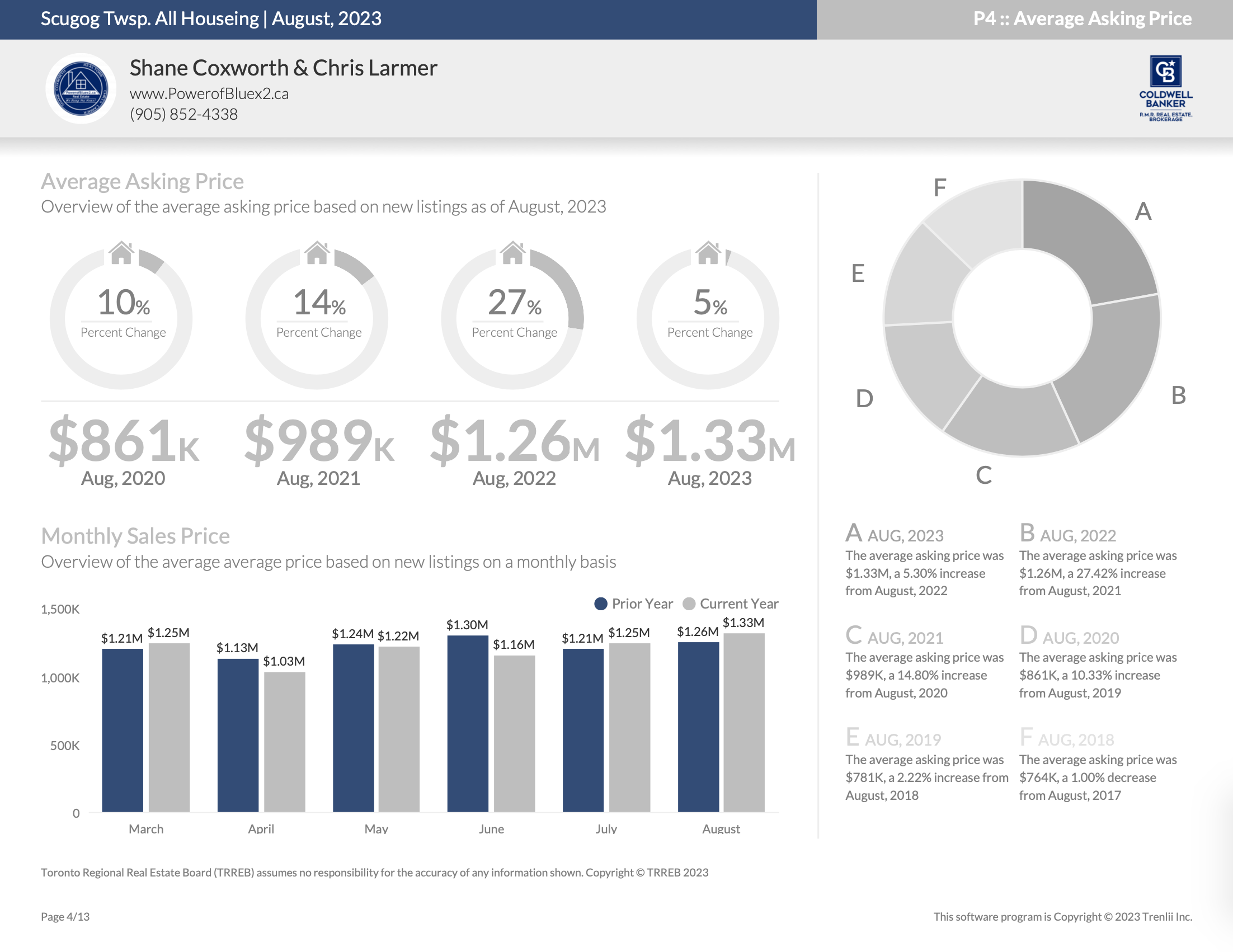
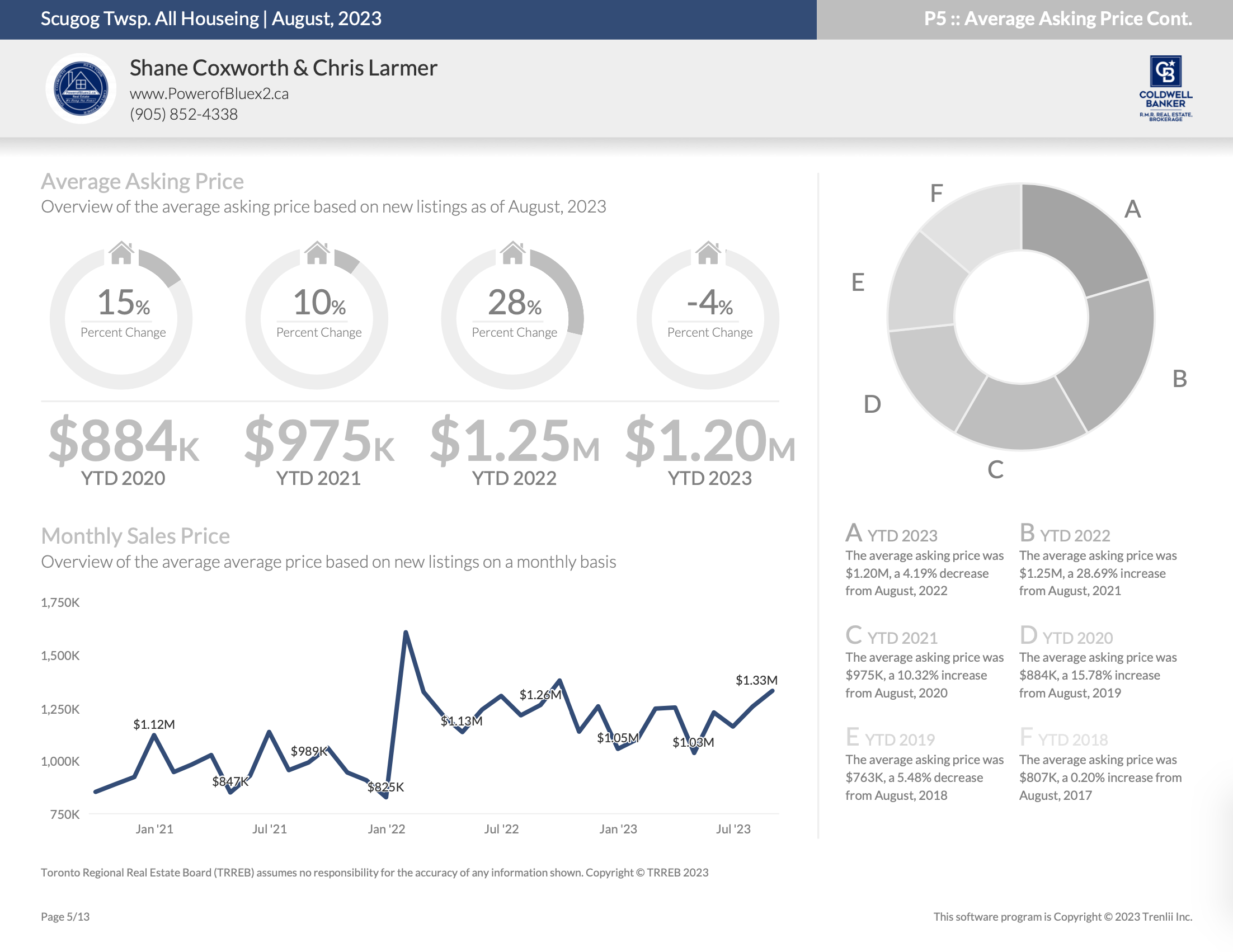
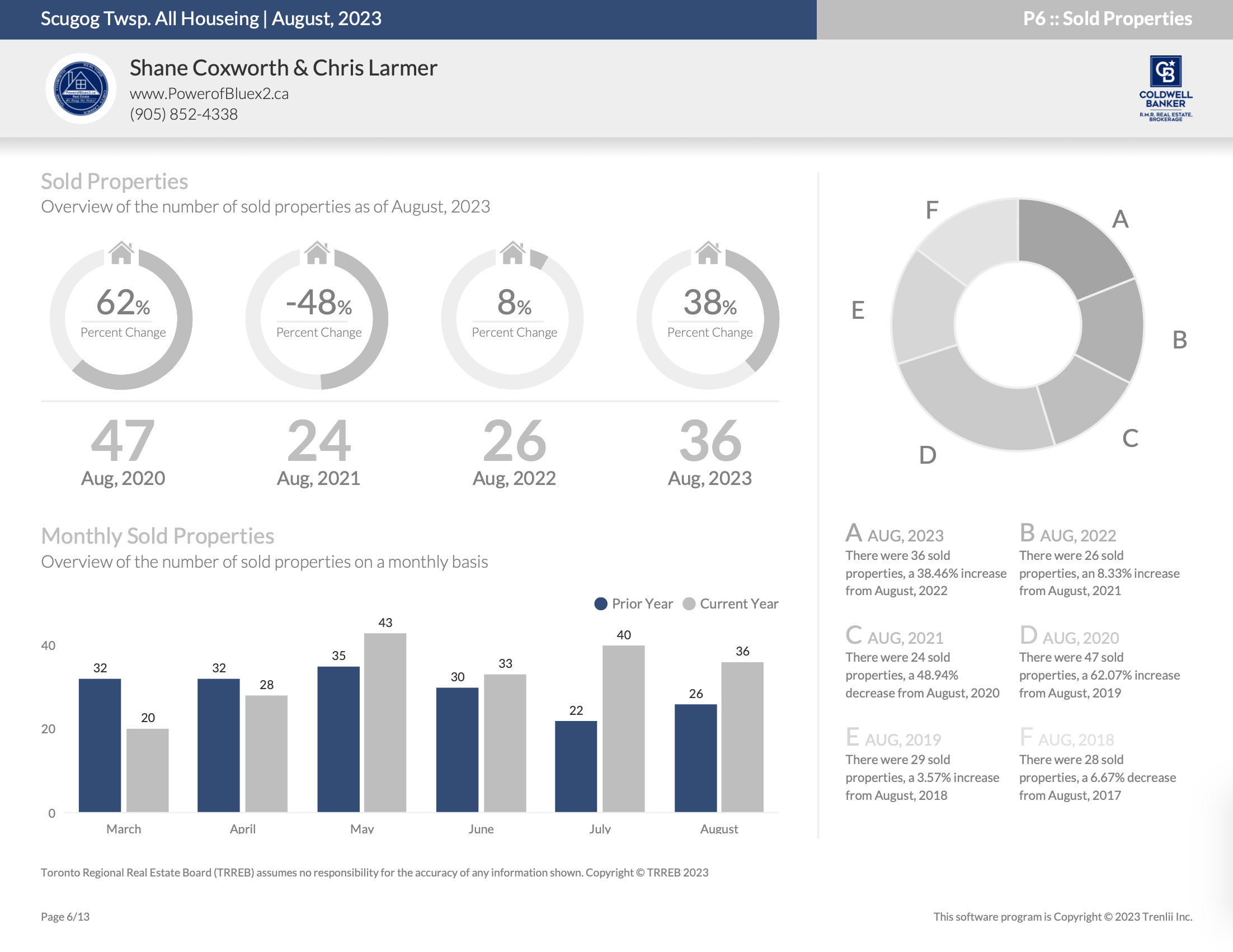
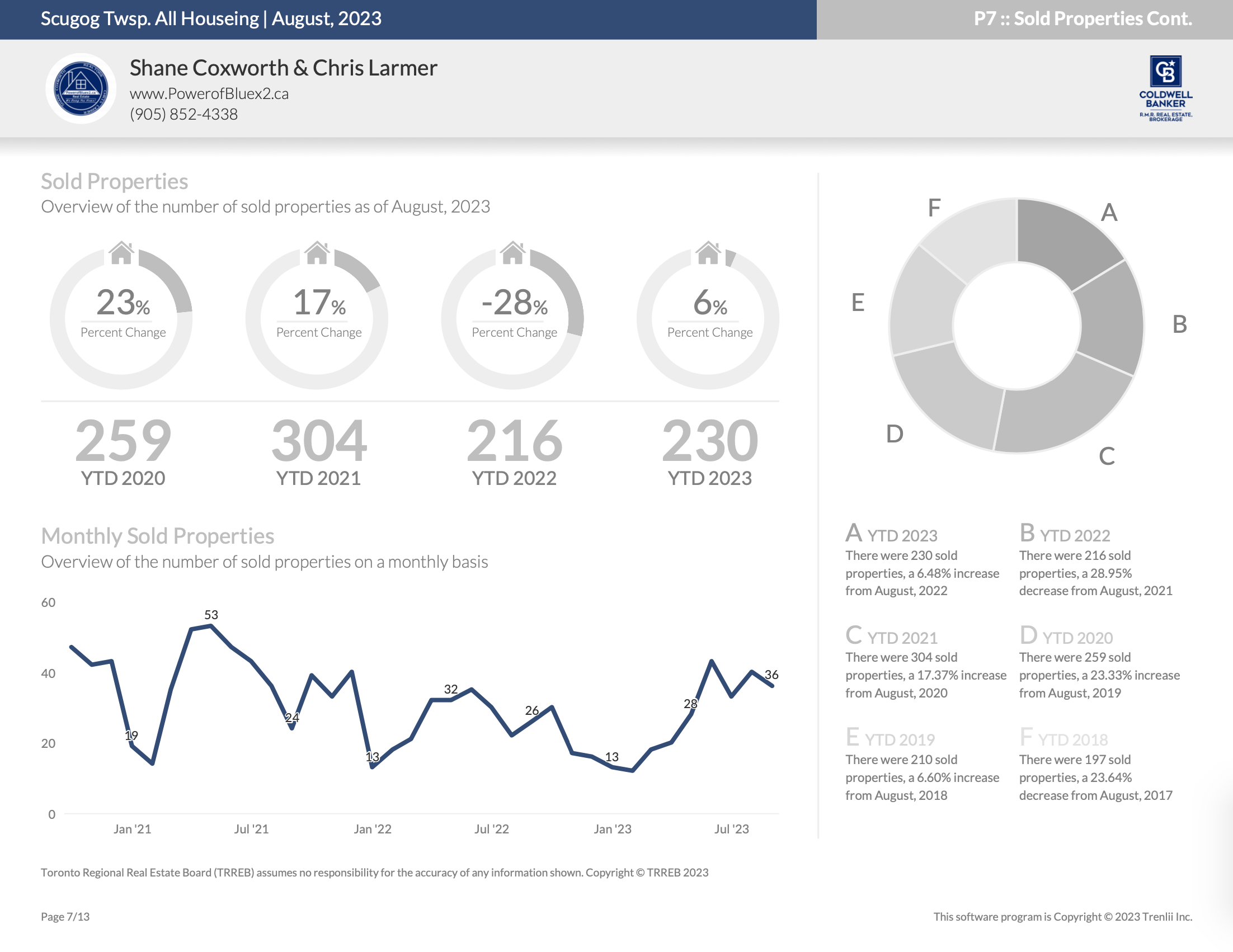
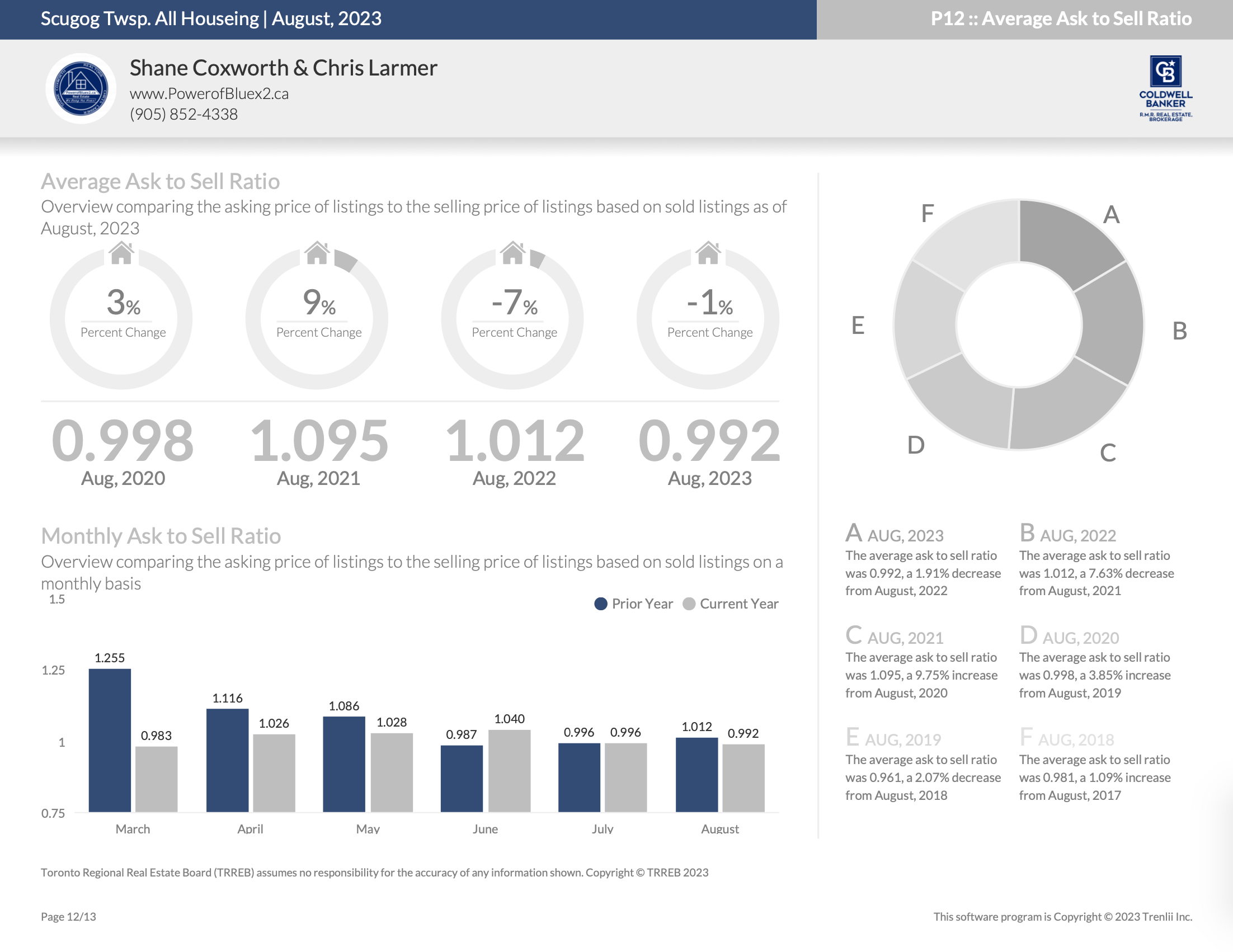
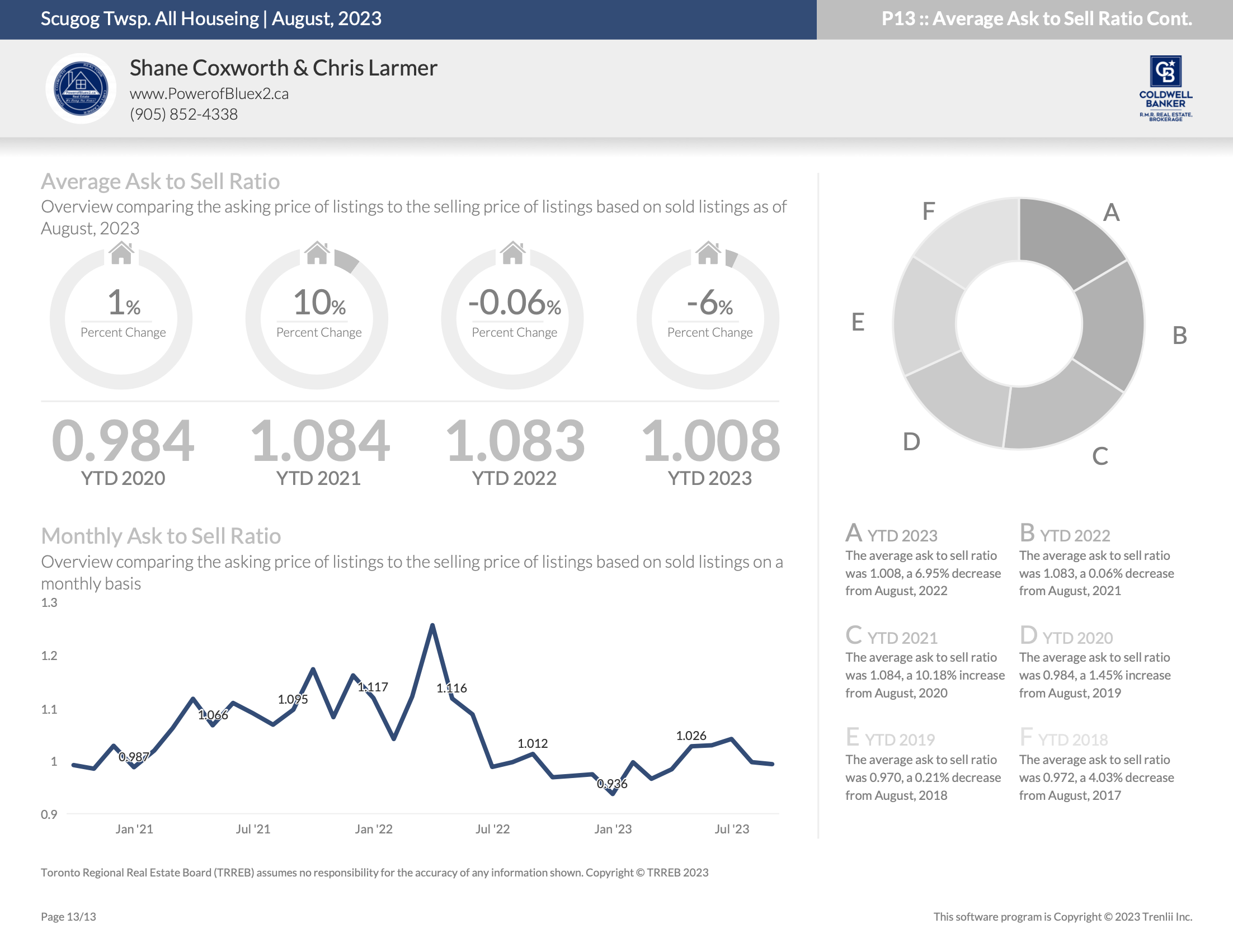
This housing report for Township of Scugog includes the number of new listings, average list price, number of properties sold, average selling price, average days on market and average asking price to selling price ratio for all property types within the Township of Scugog.
Scroll to the bottom for links to take you to the housing market reports for Durham, Uxbridge, Brock and the Kawartha Lakes
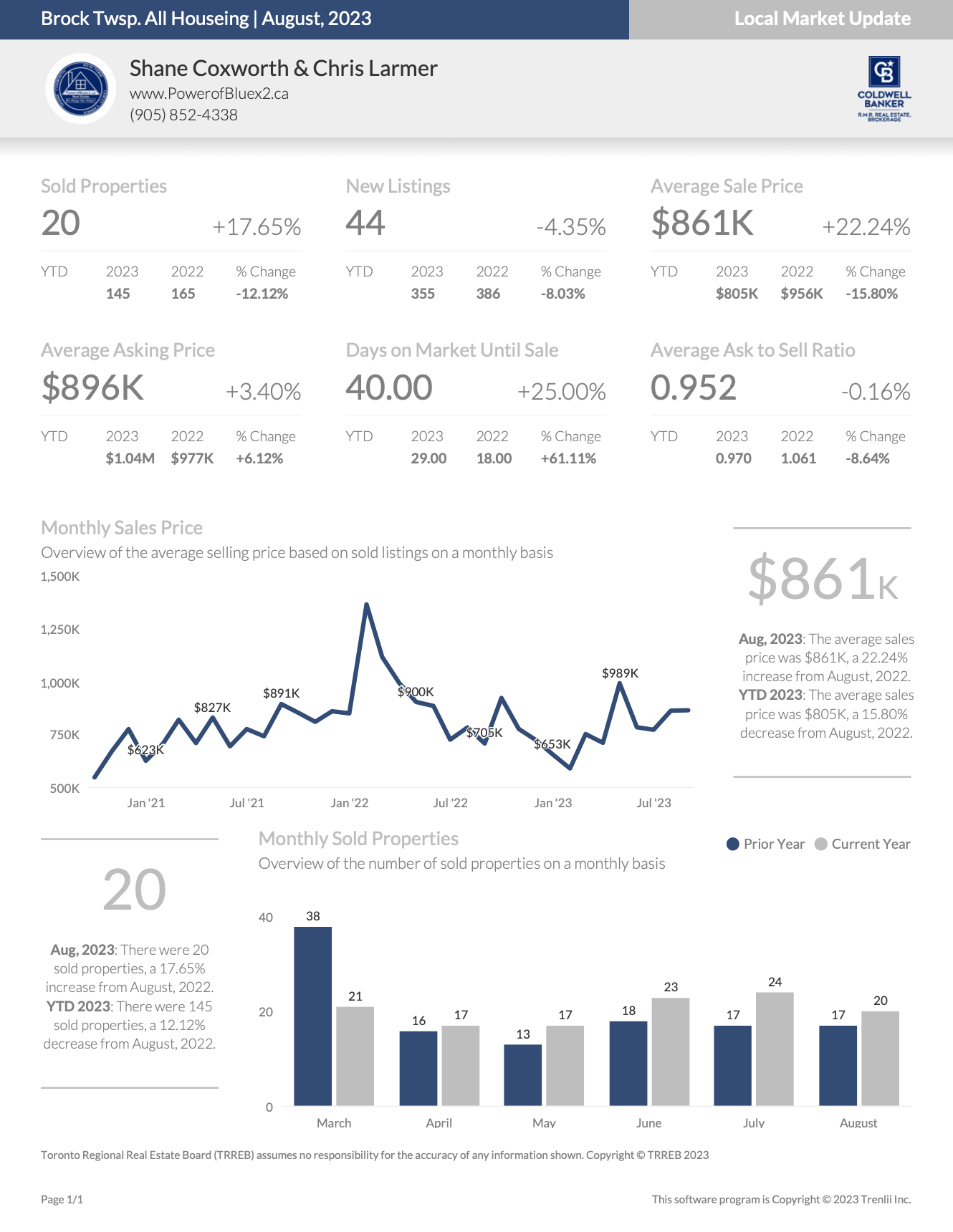
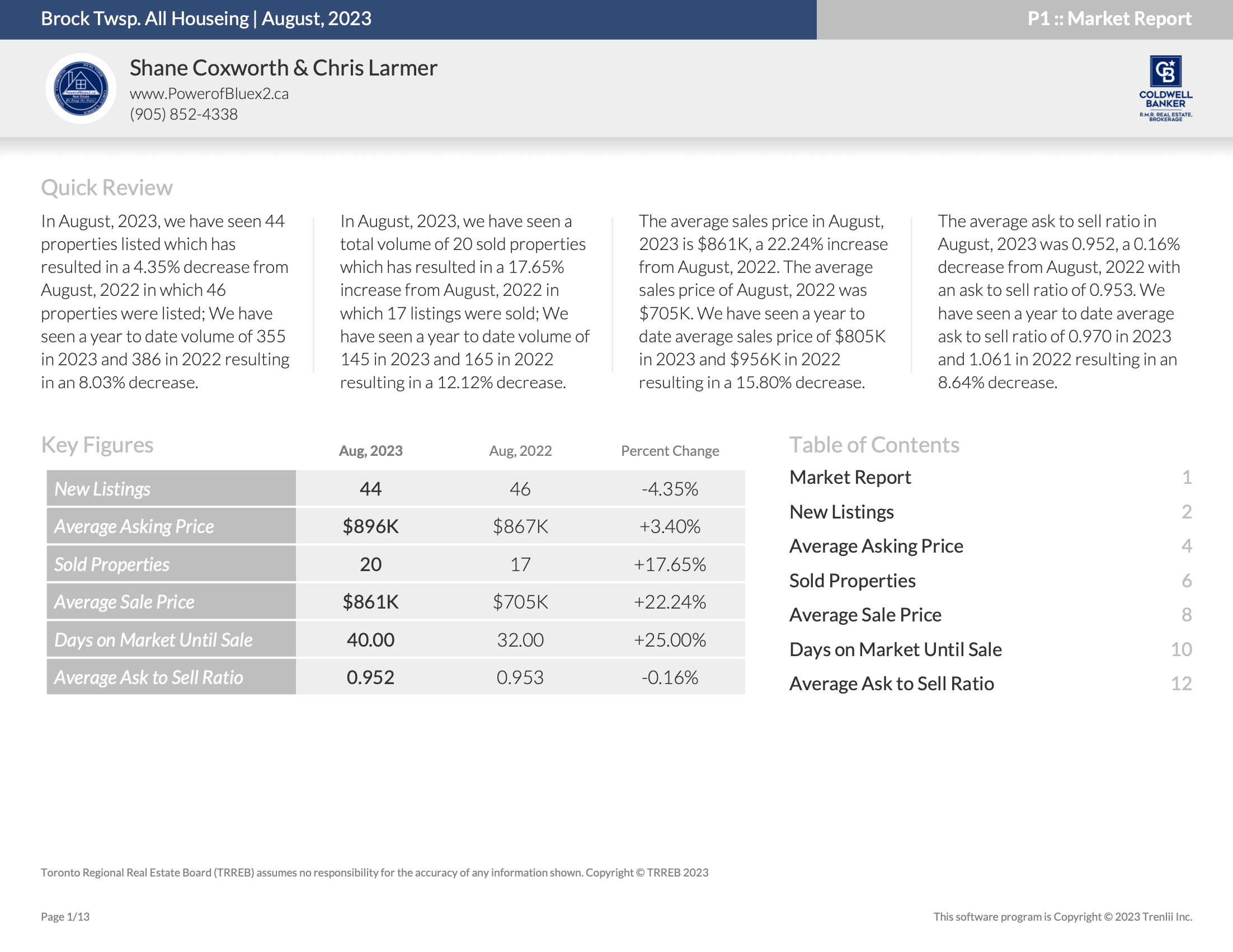
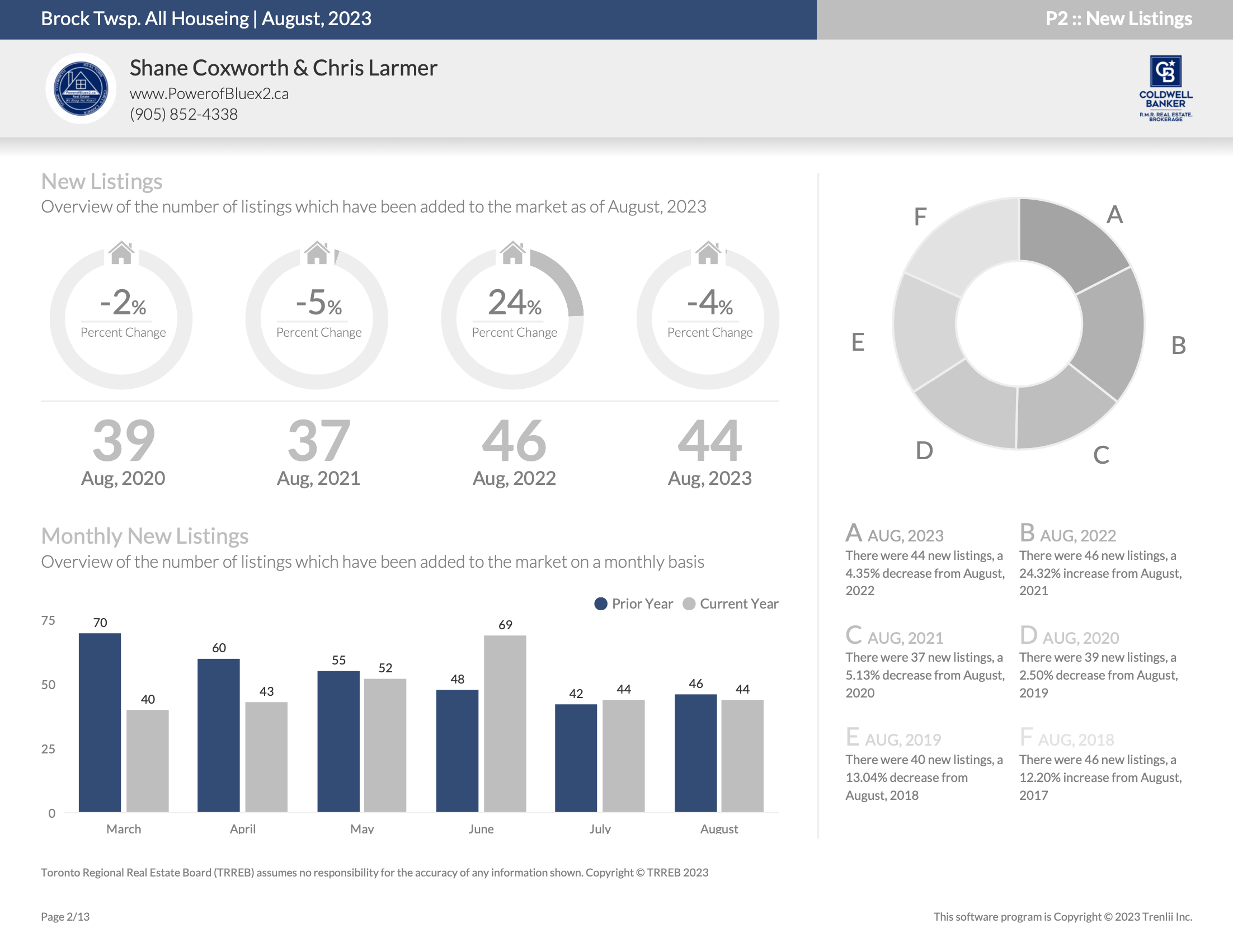
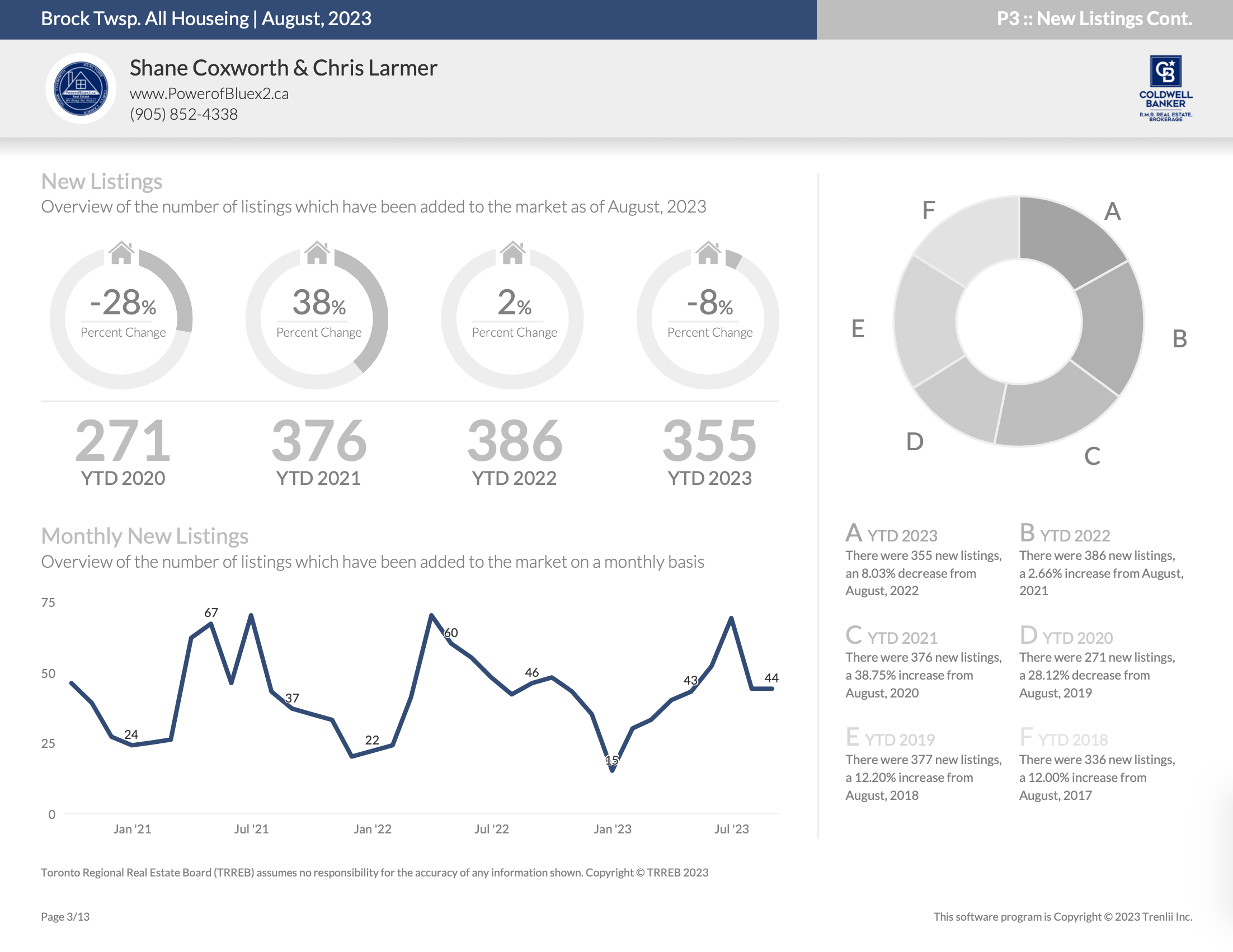
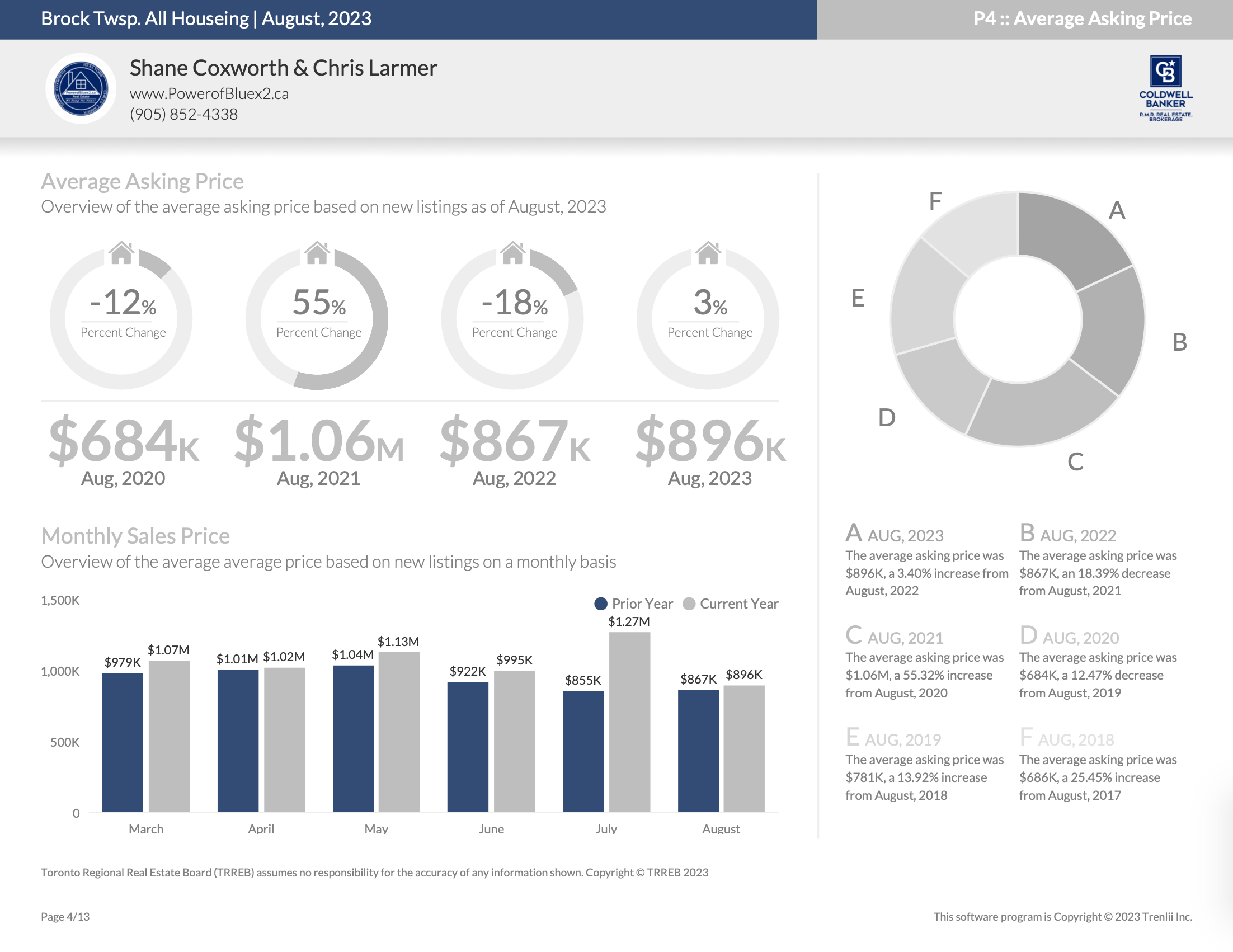
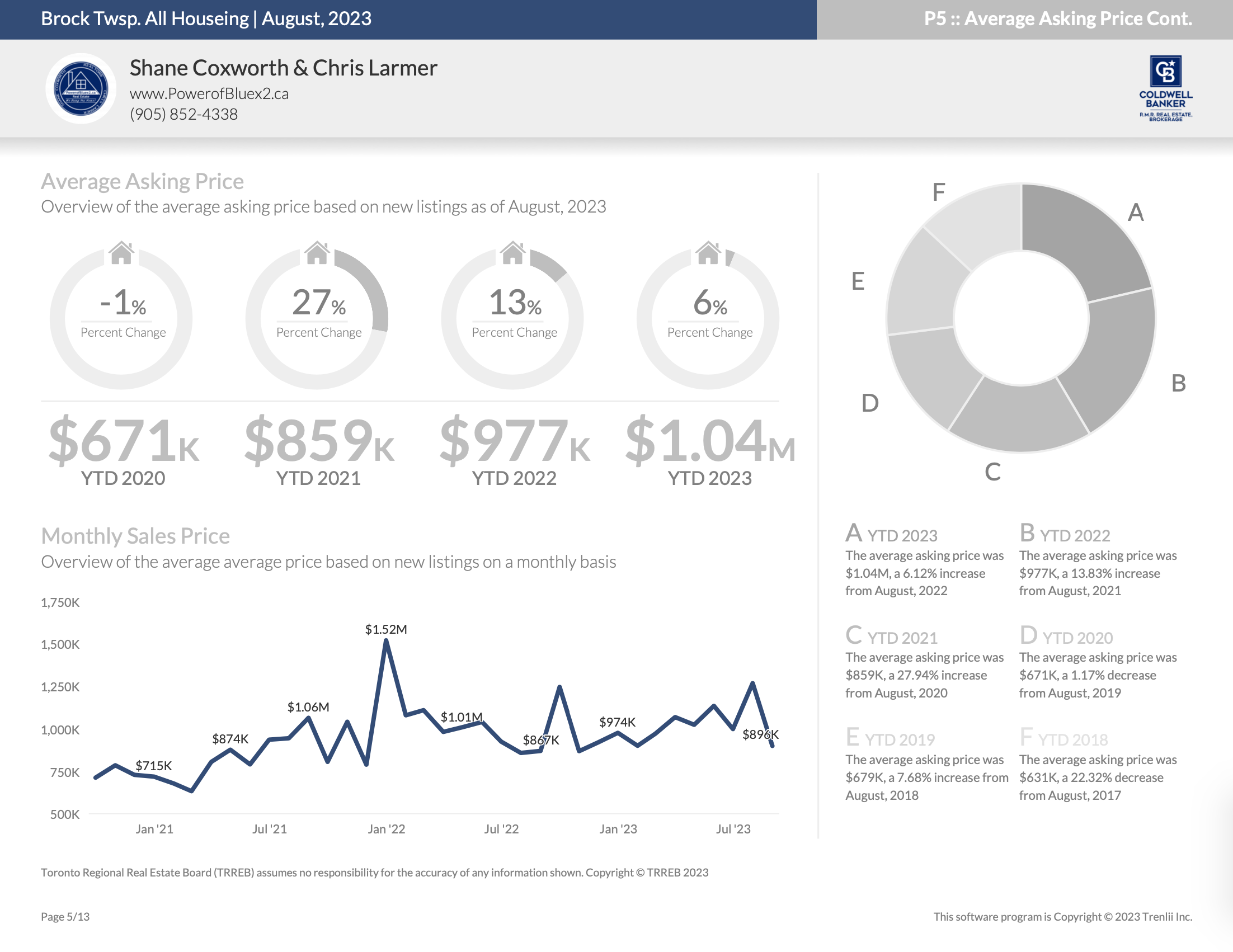
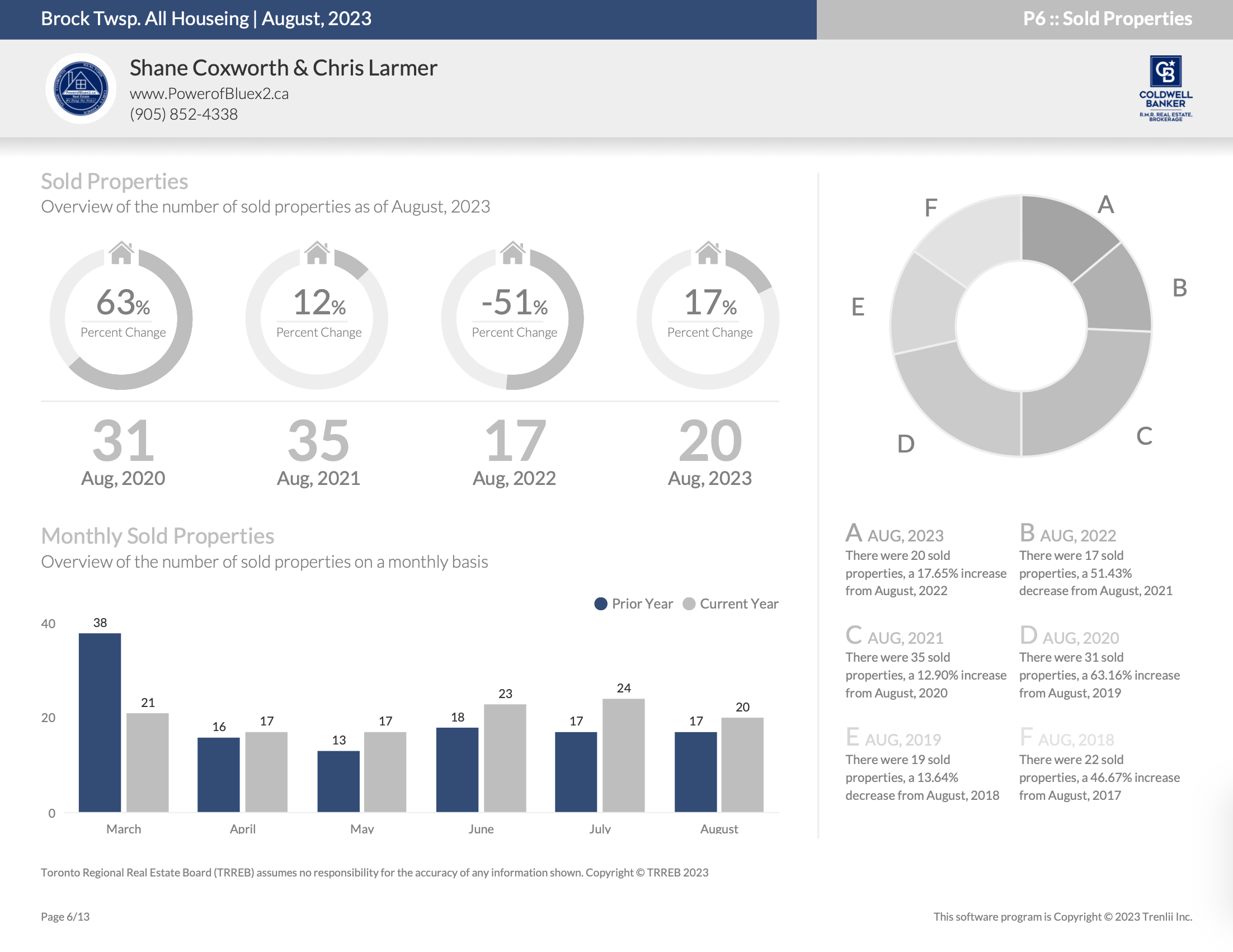
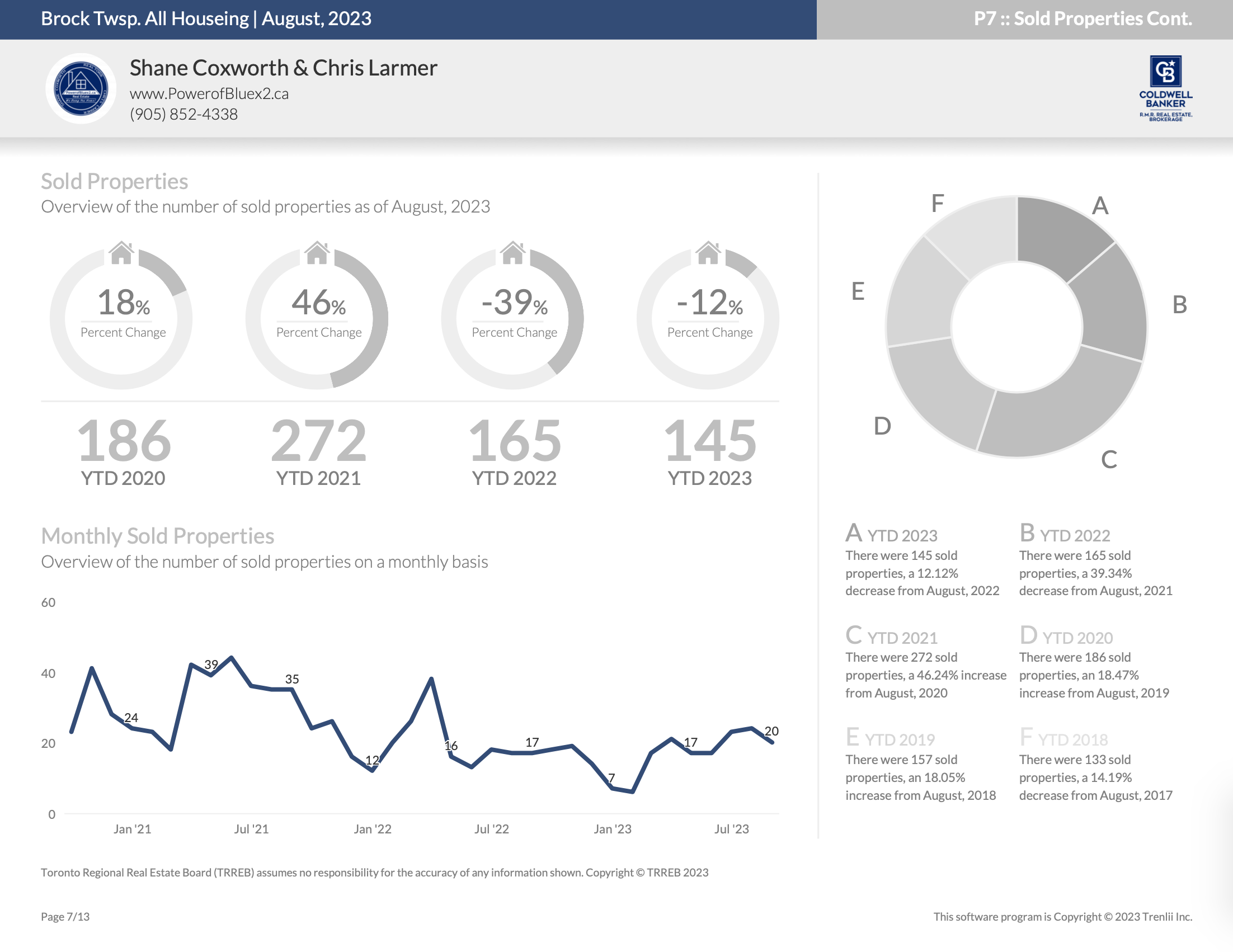
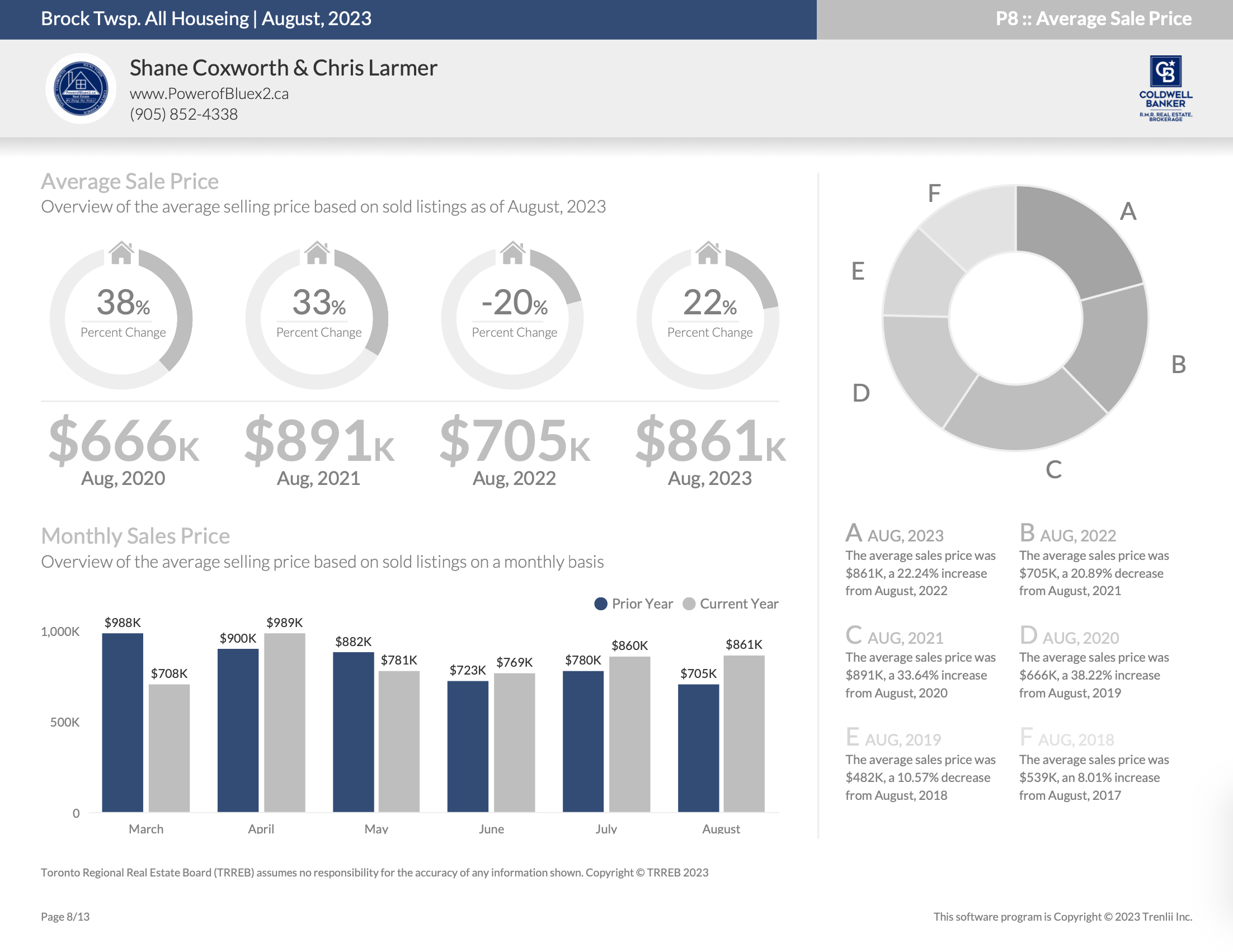
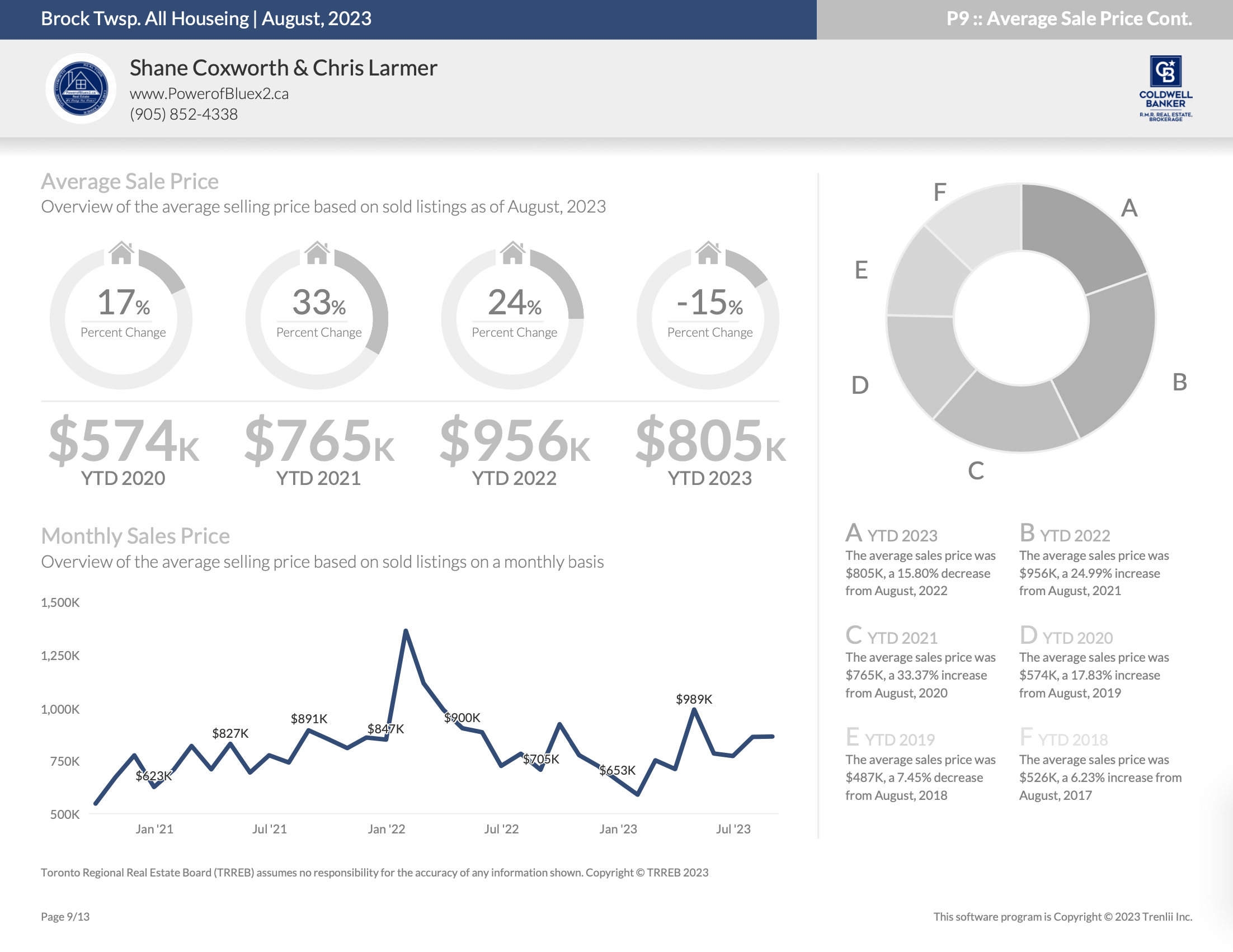
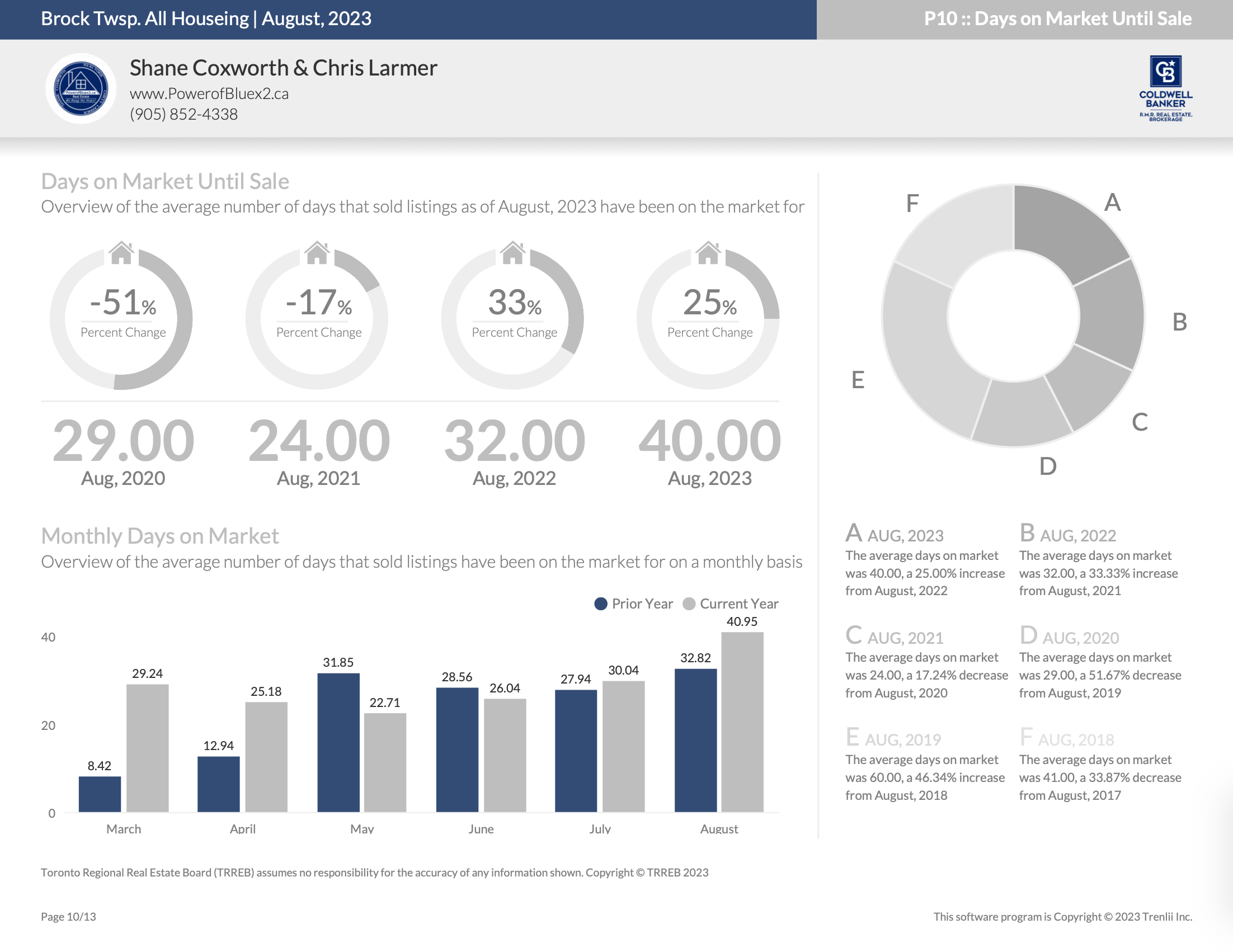
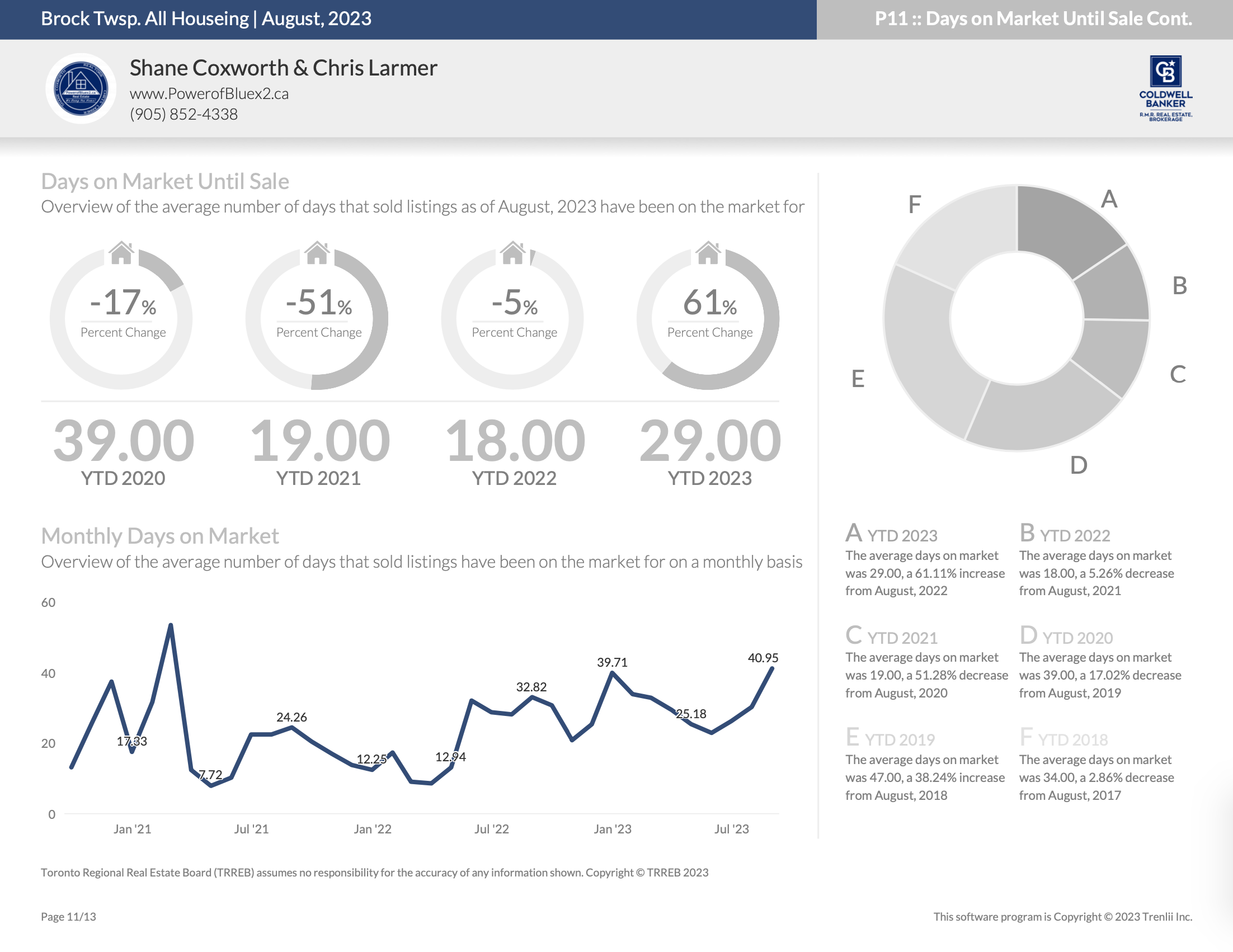
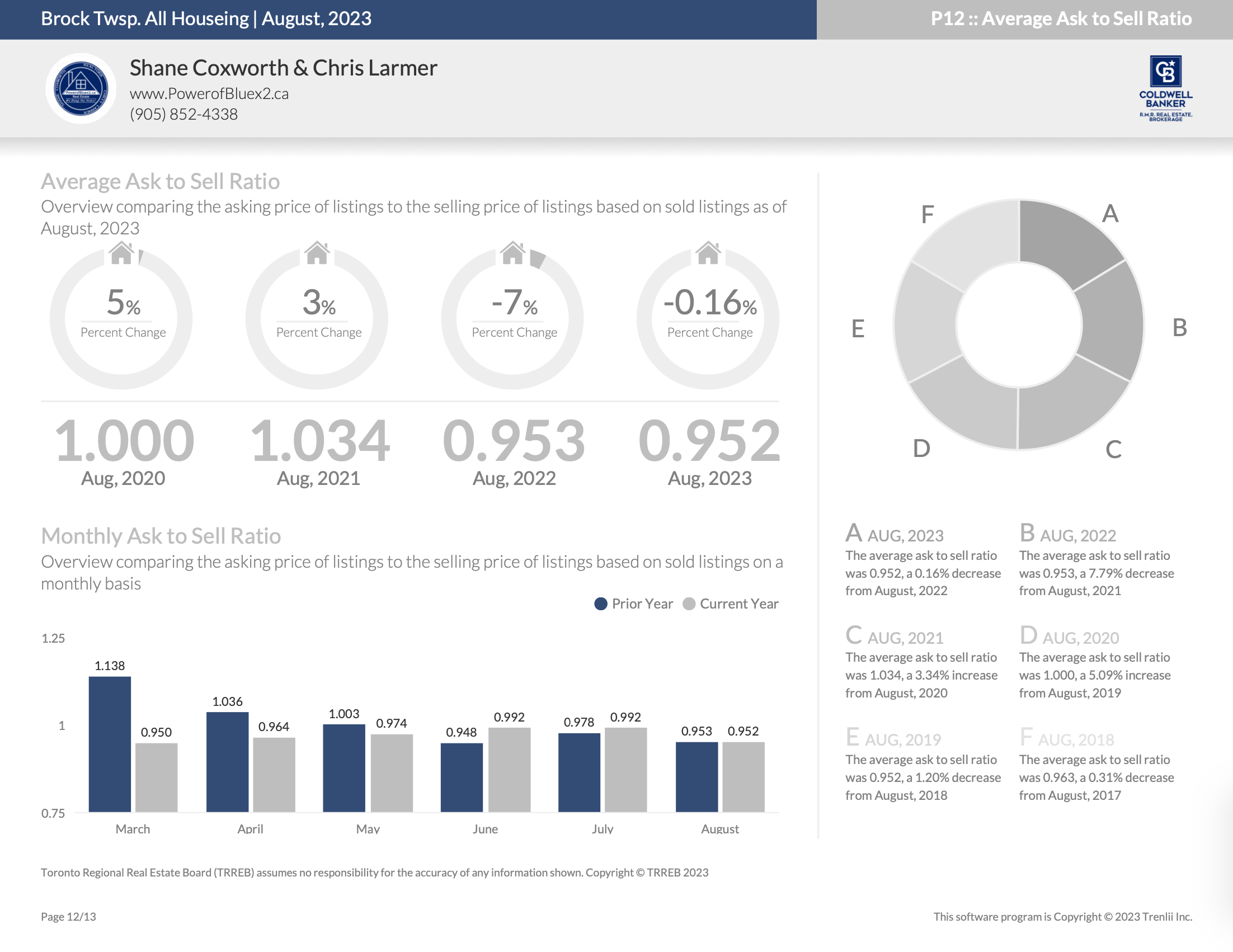
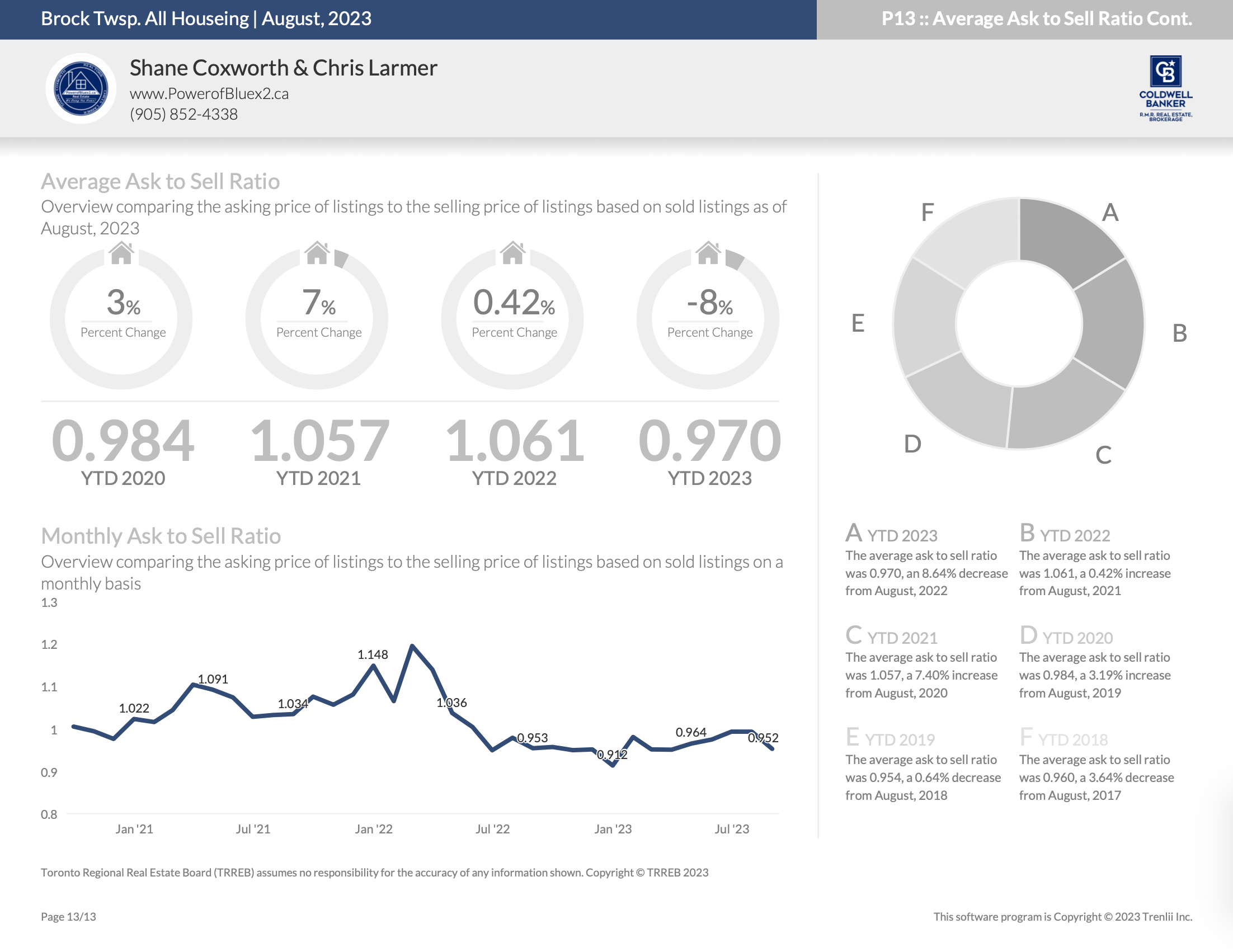
This housing report for Township of Brock includes the number of new listings, average list price, number of properties sold, average selling price, average days on market and average asking price to selling price ratio for all property types within the Township of Brock.
Scroll to the bottom for links to take you to the housing market reports for Durham, Uxbridge, Scugog and the Kawartha Lakes.
From Toronto Regional Real Estate Board
Toronto Regional Real Estate Board – Market Stats At A Glance – August 2023
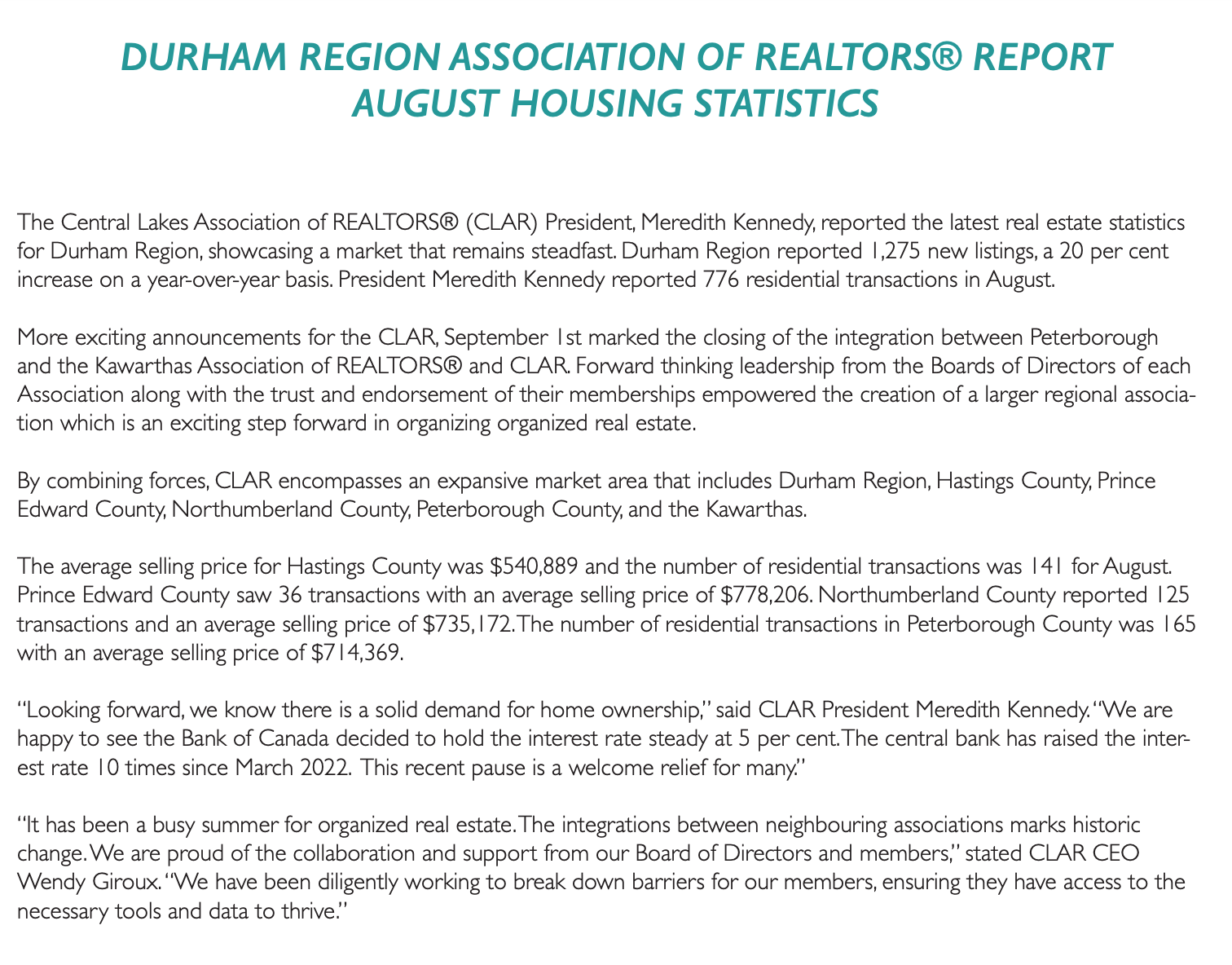
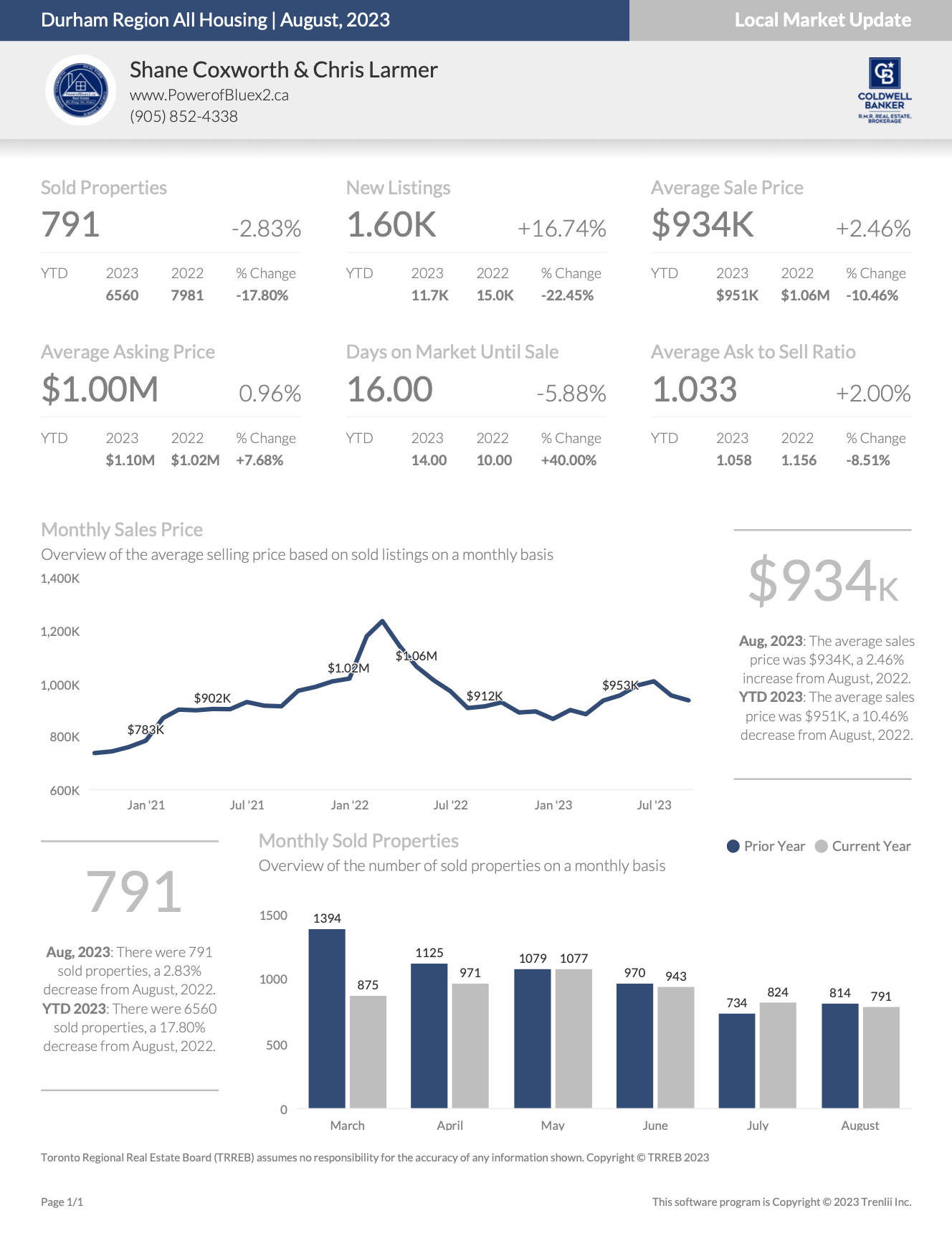
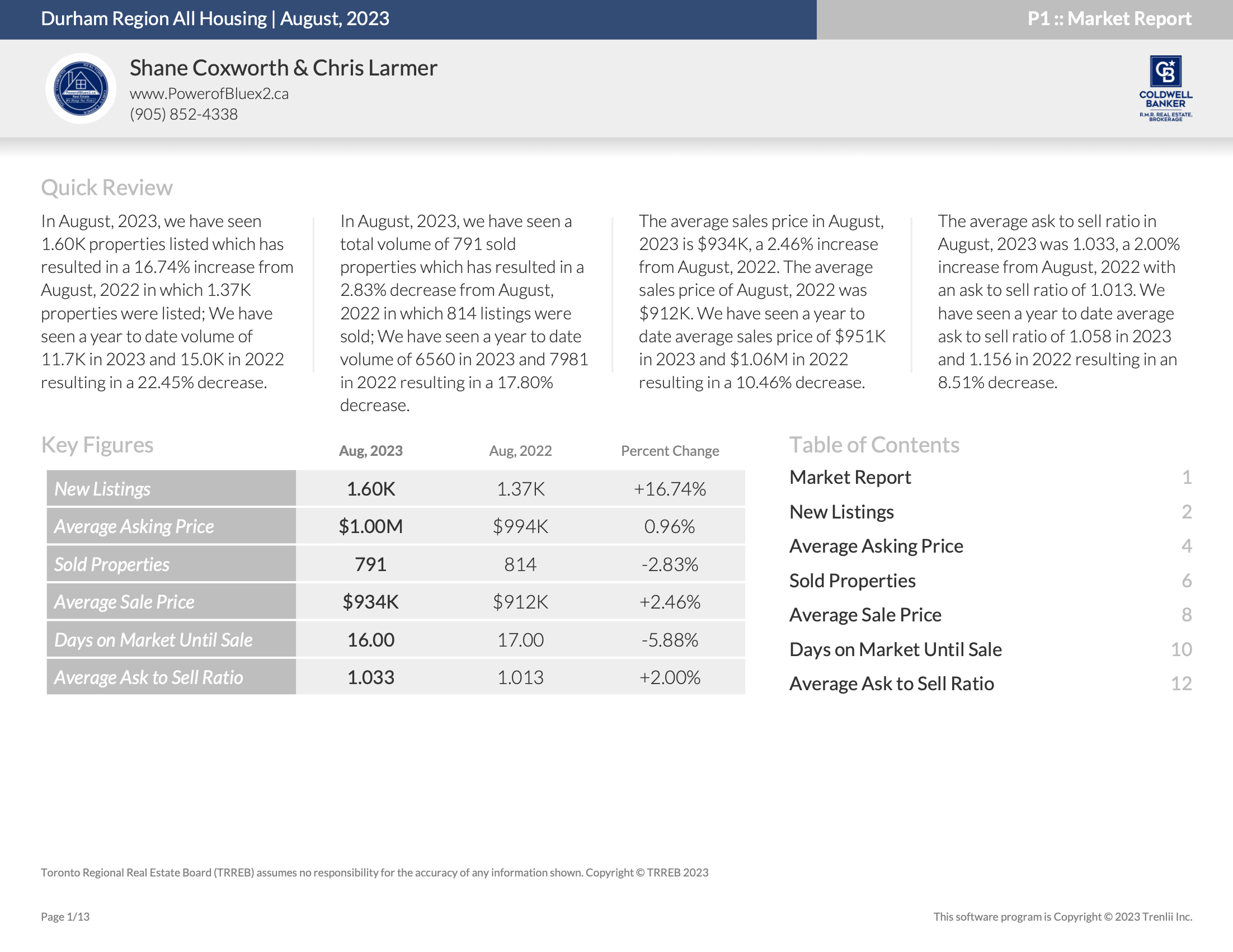
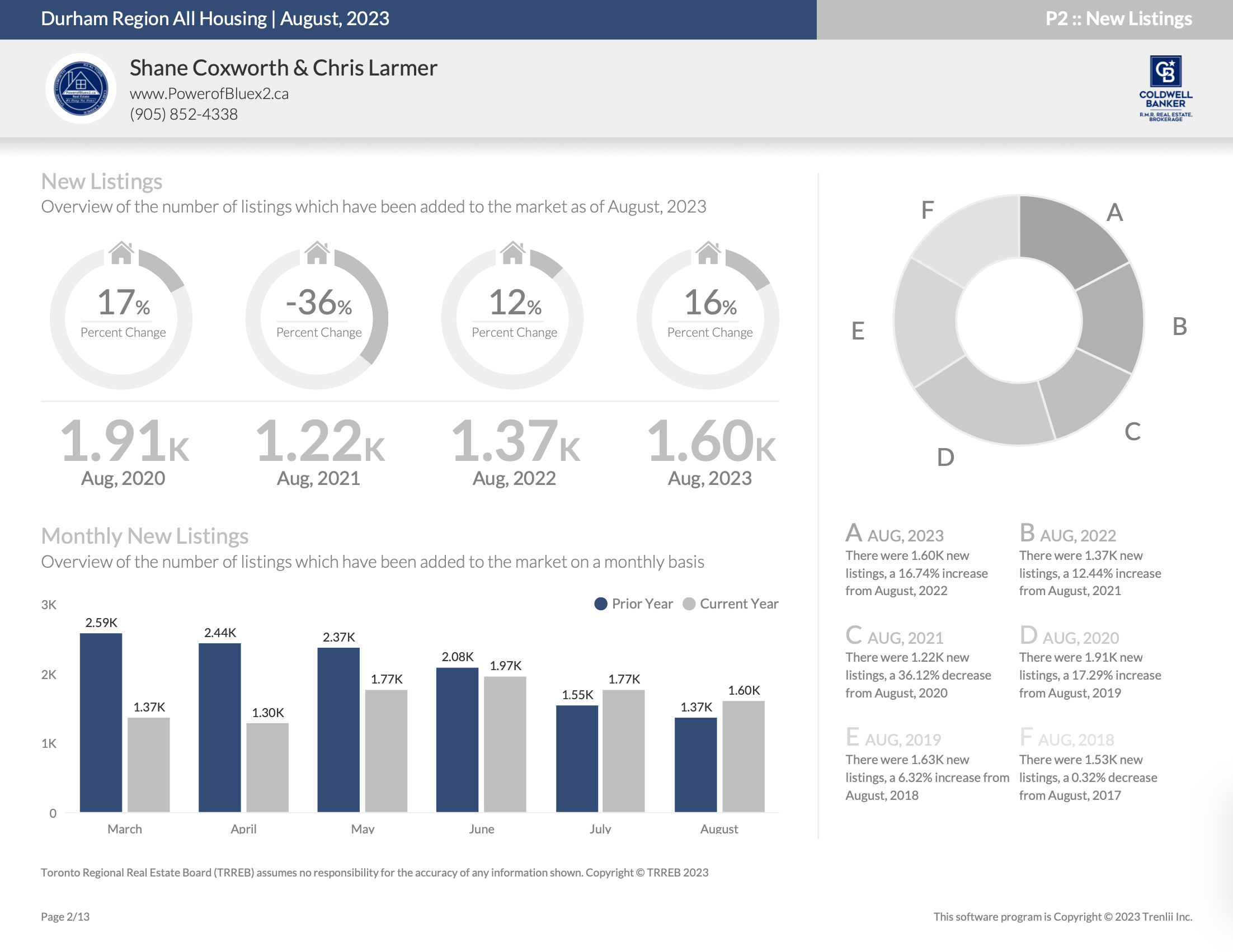
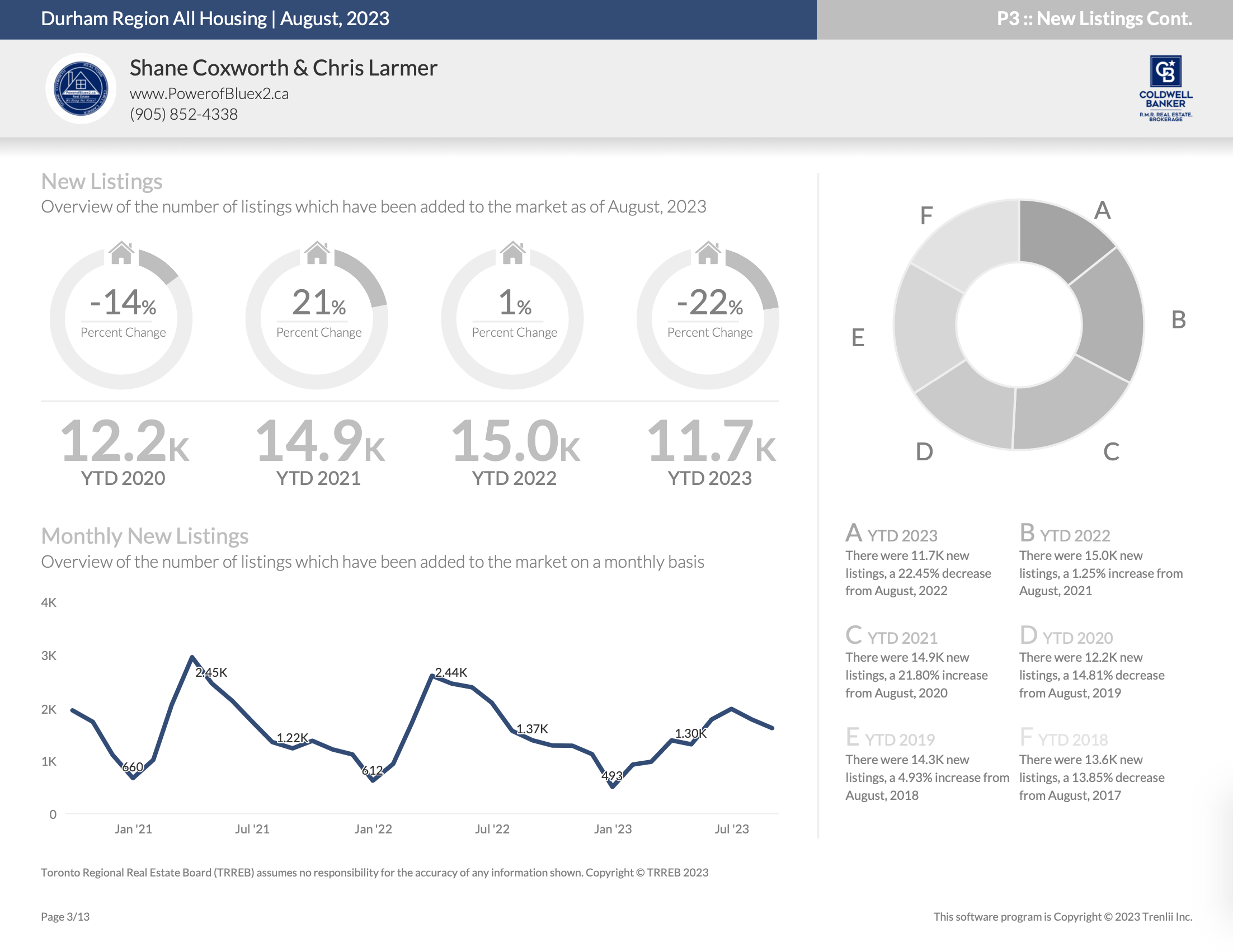
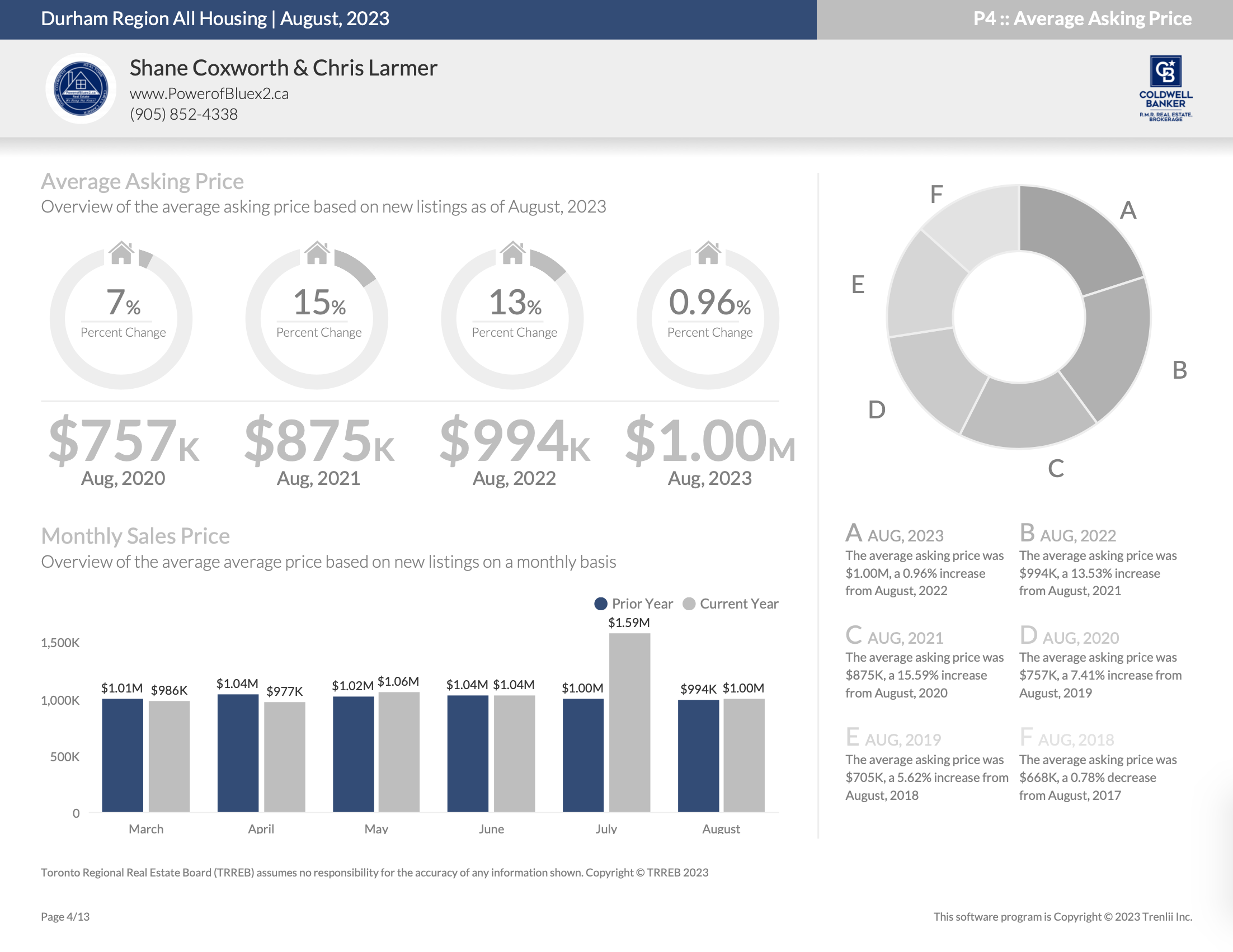
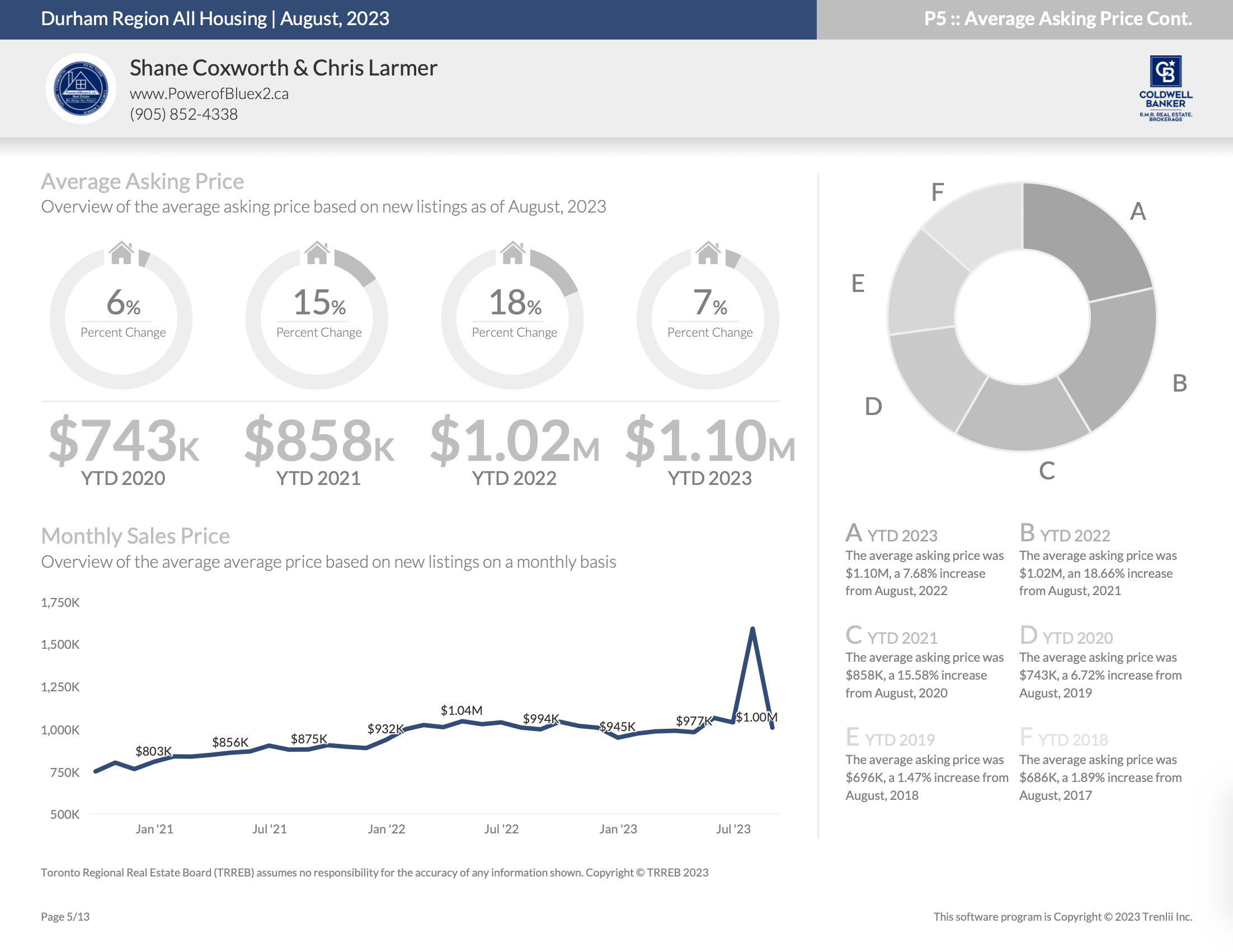
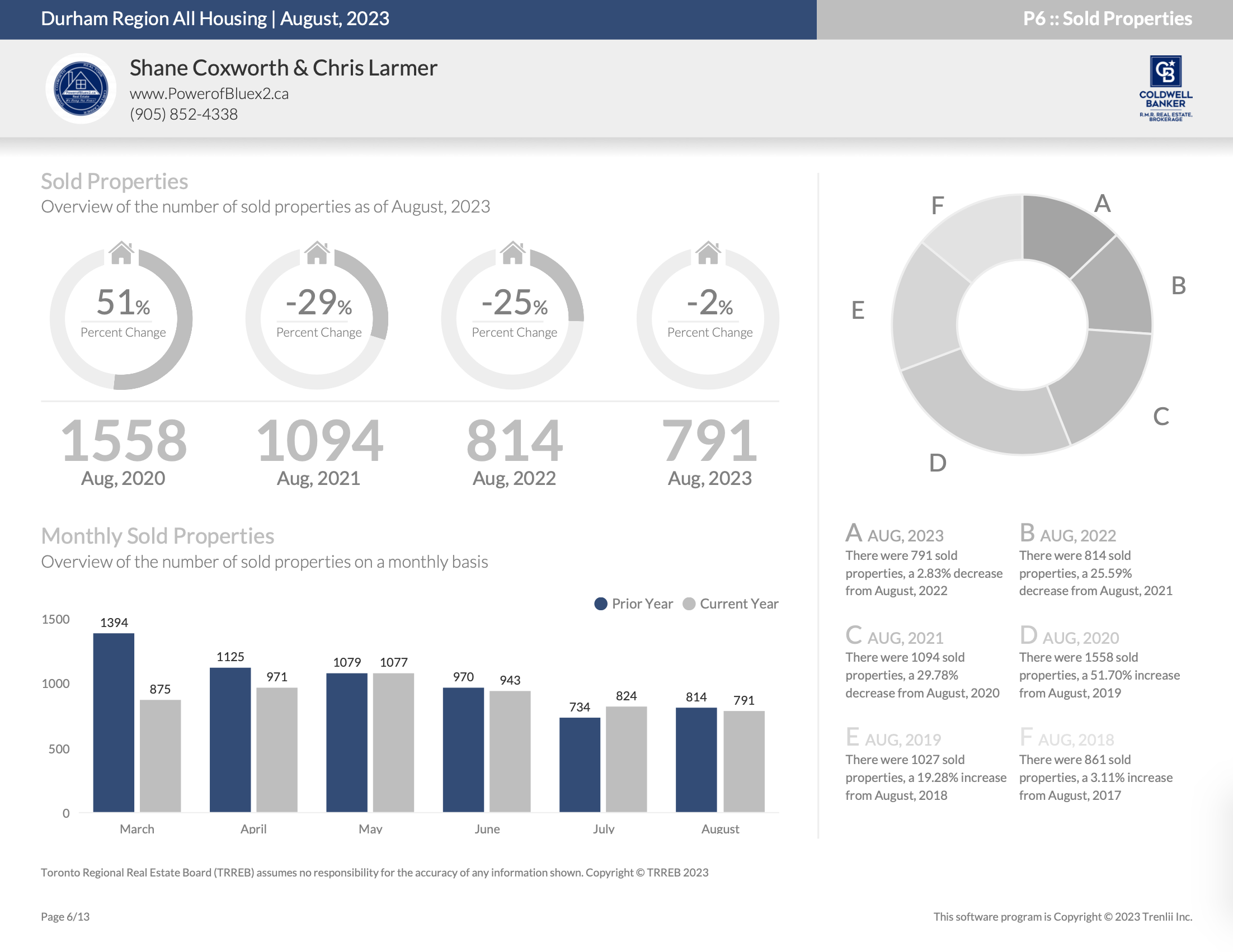
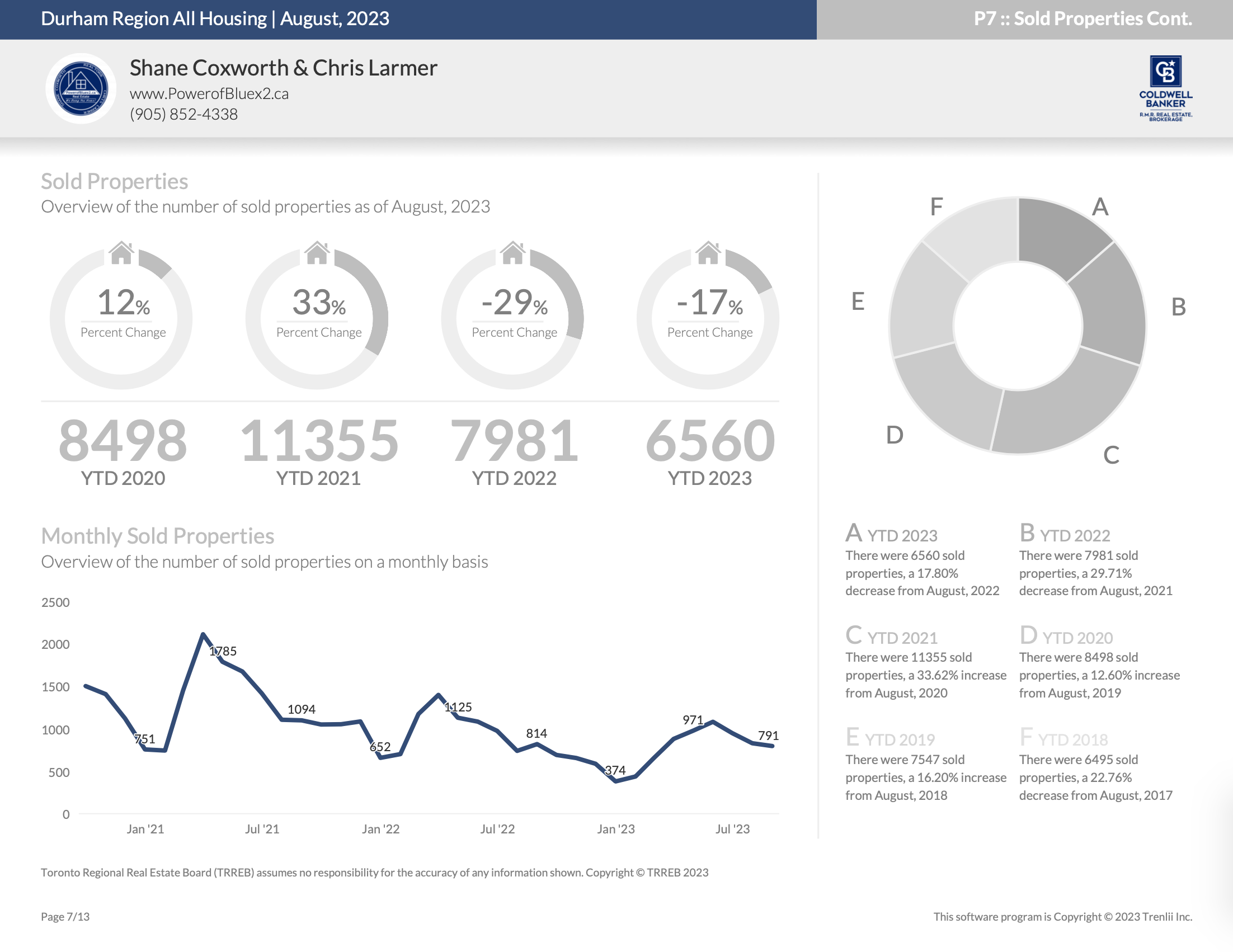
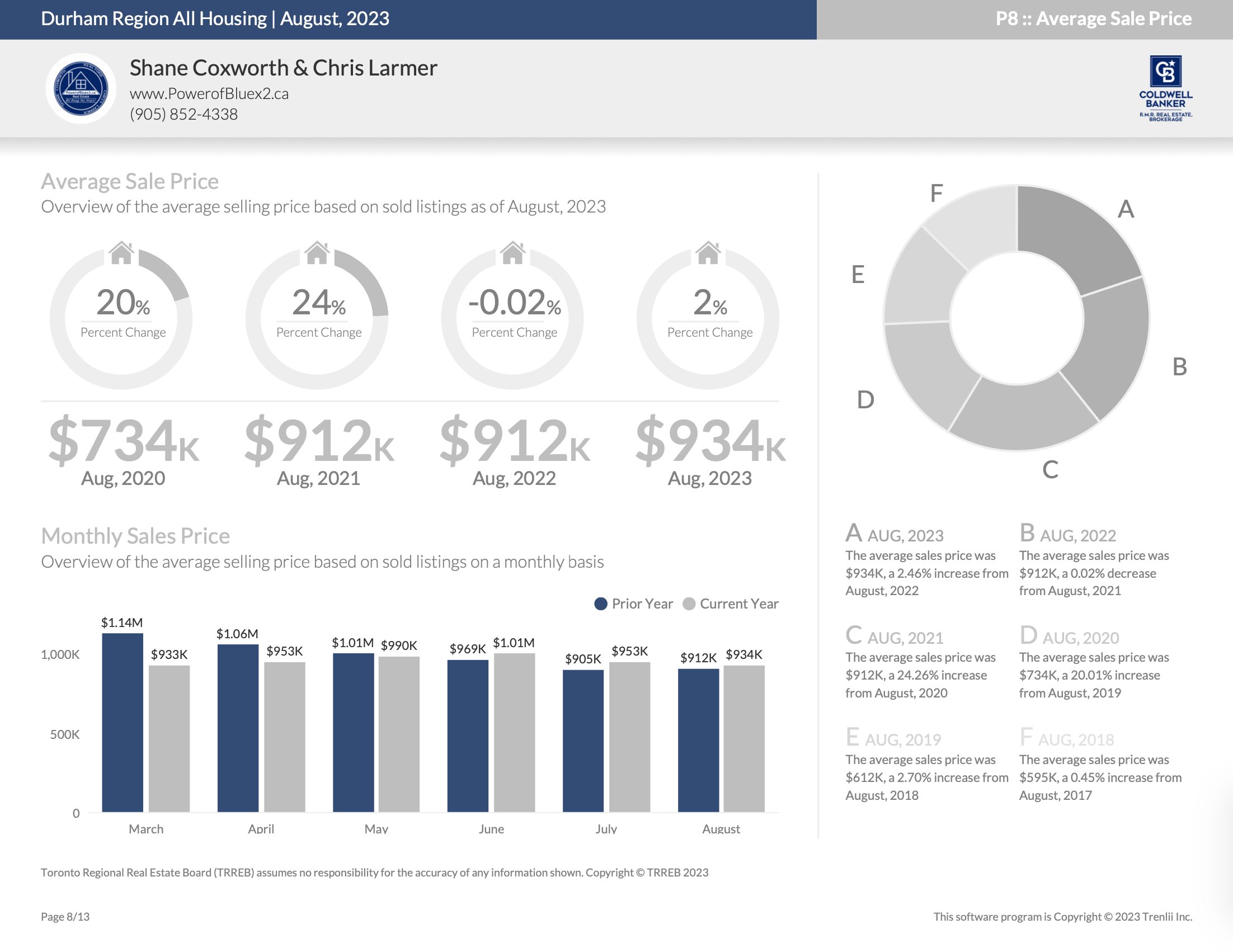
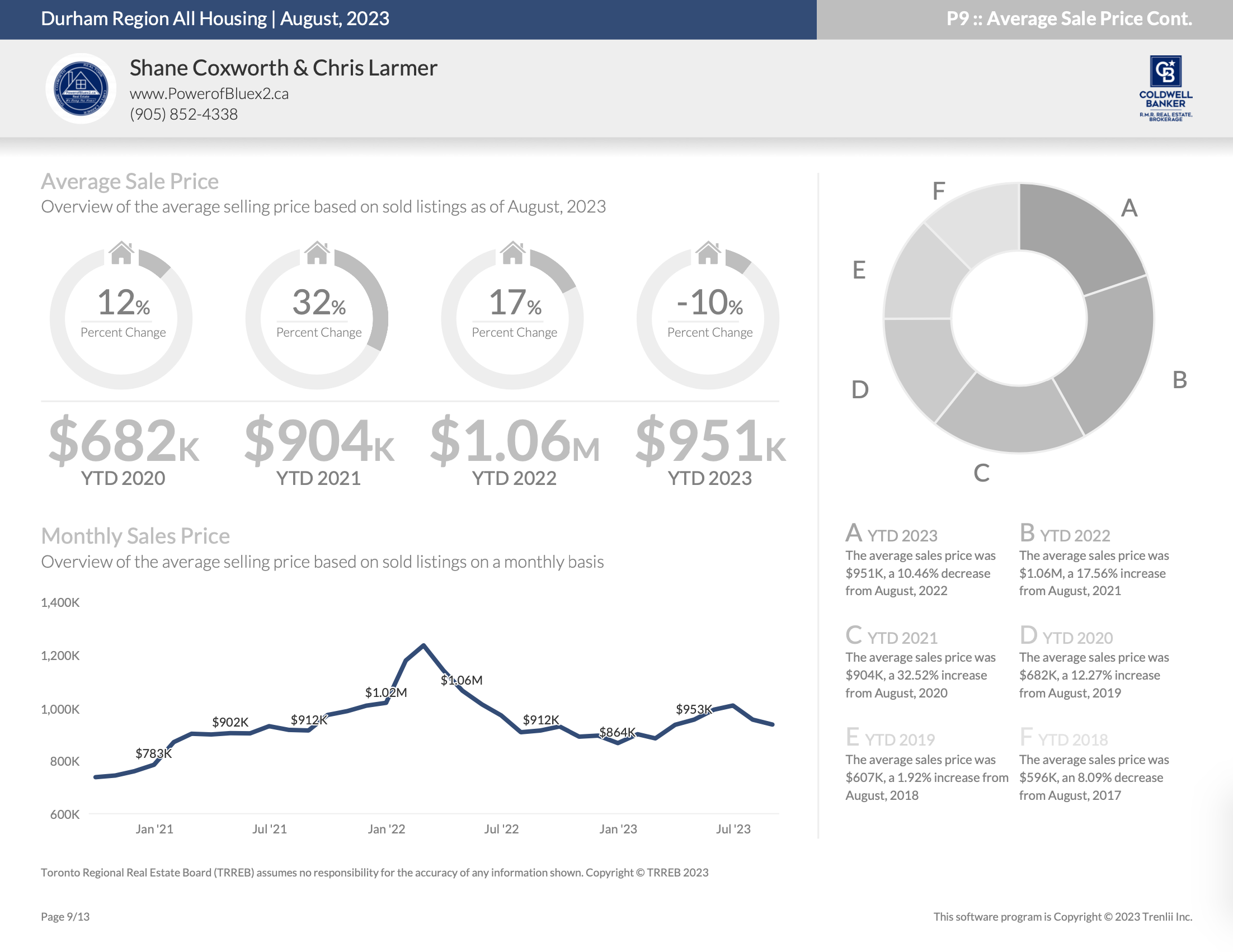
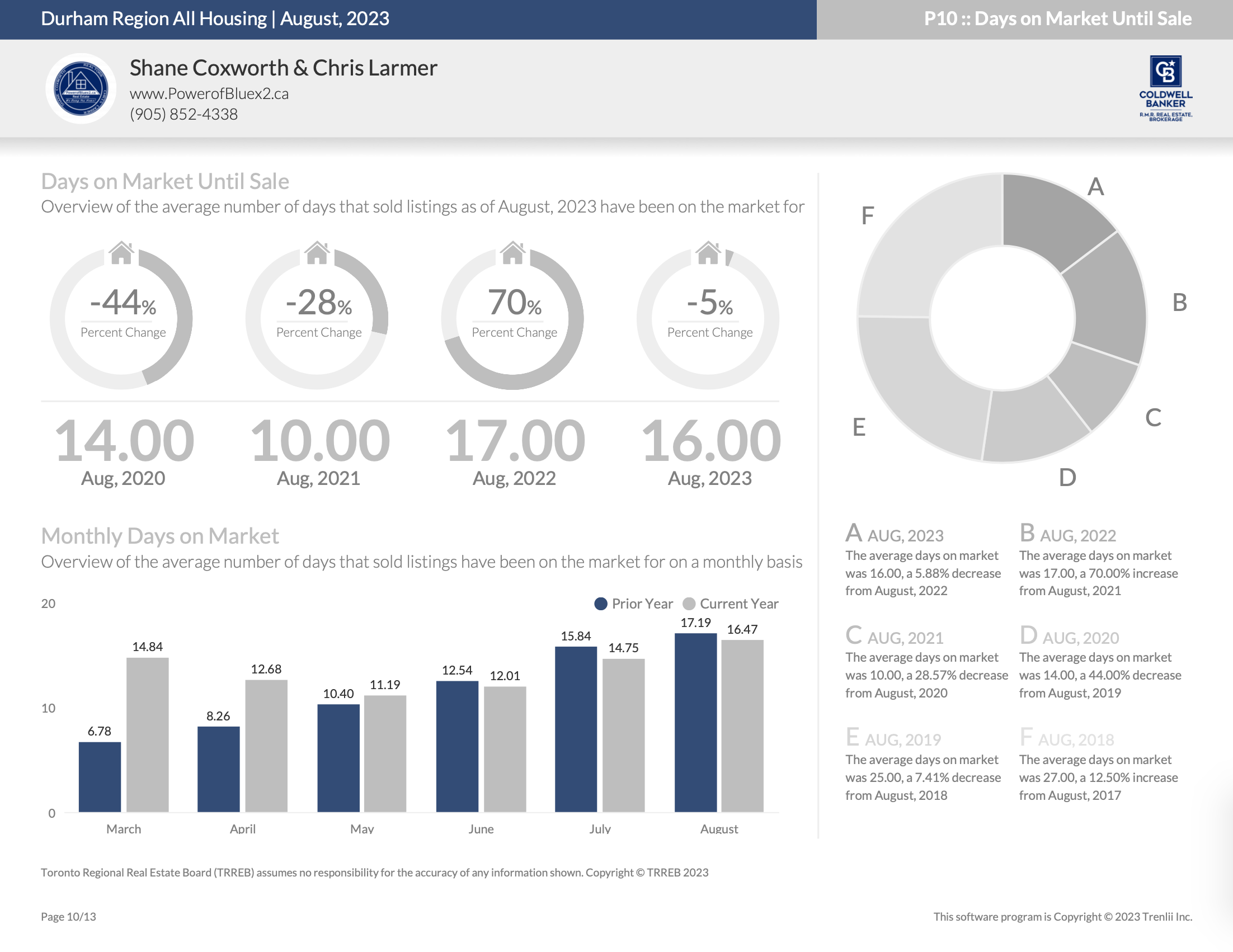
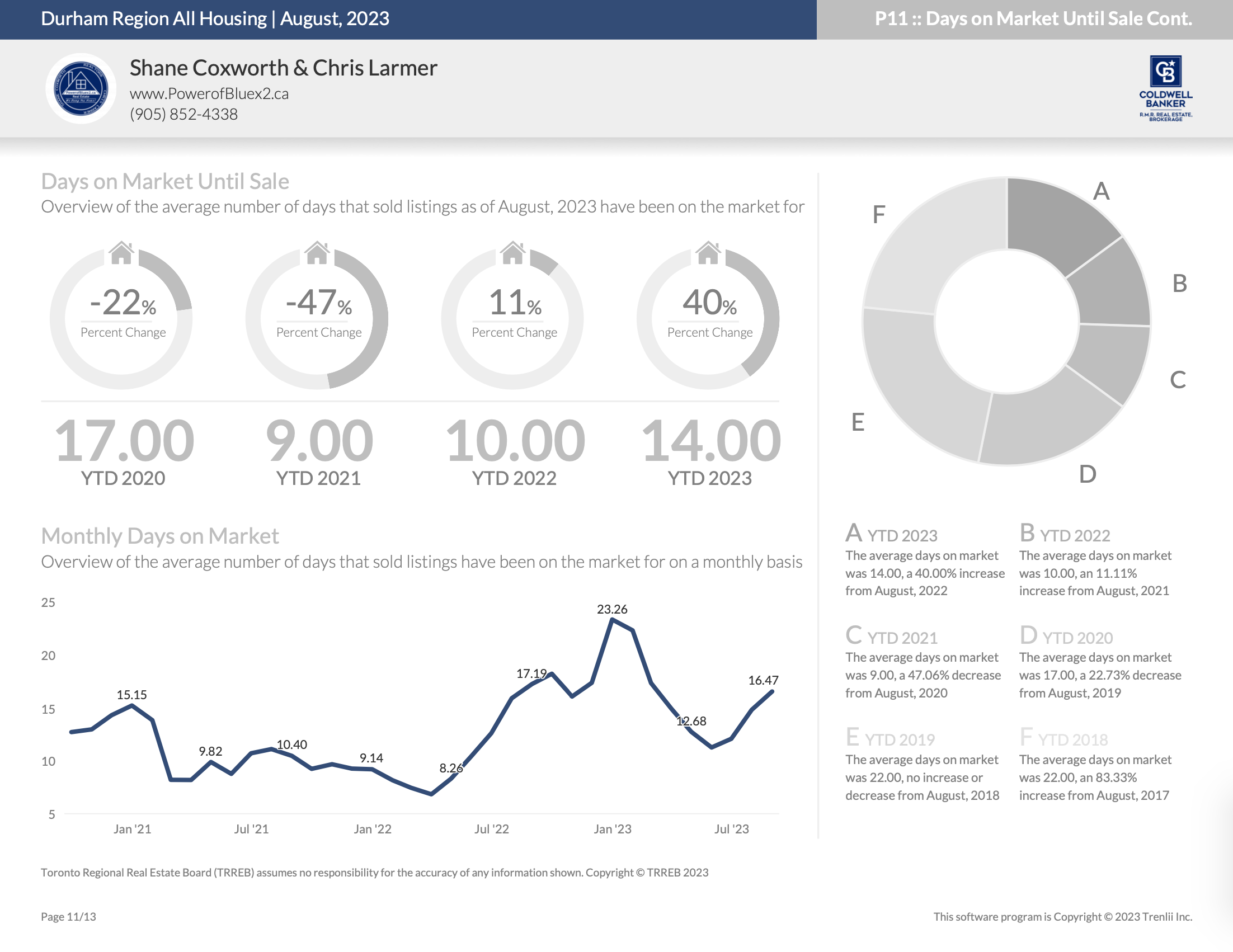
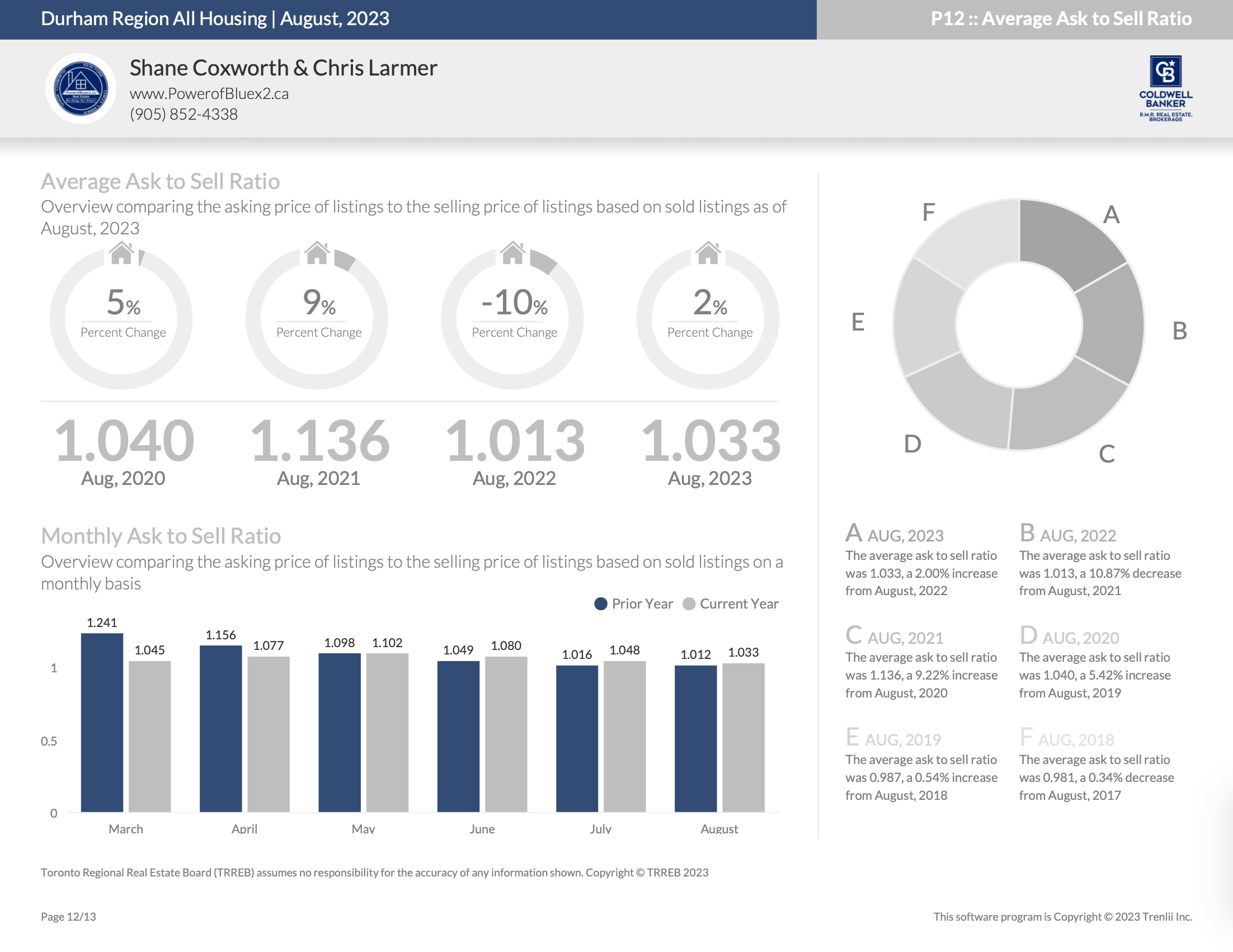
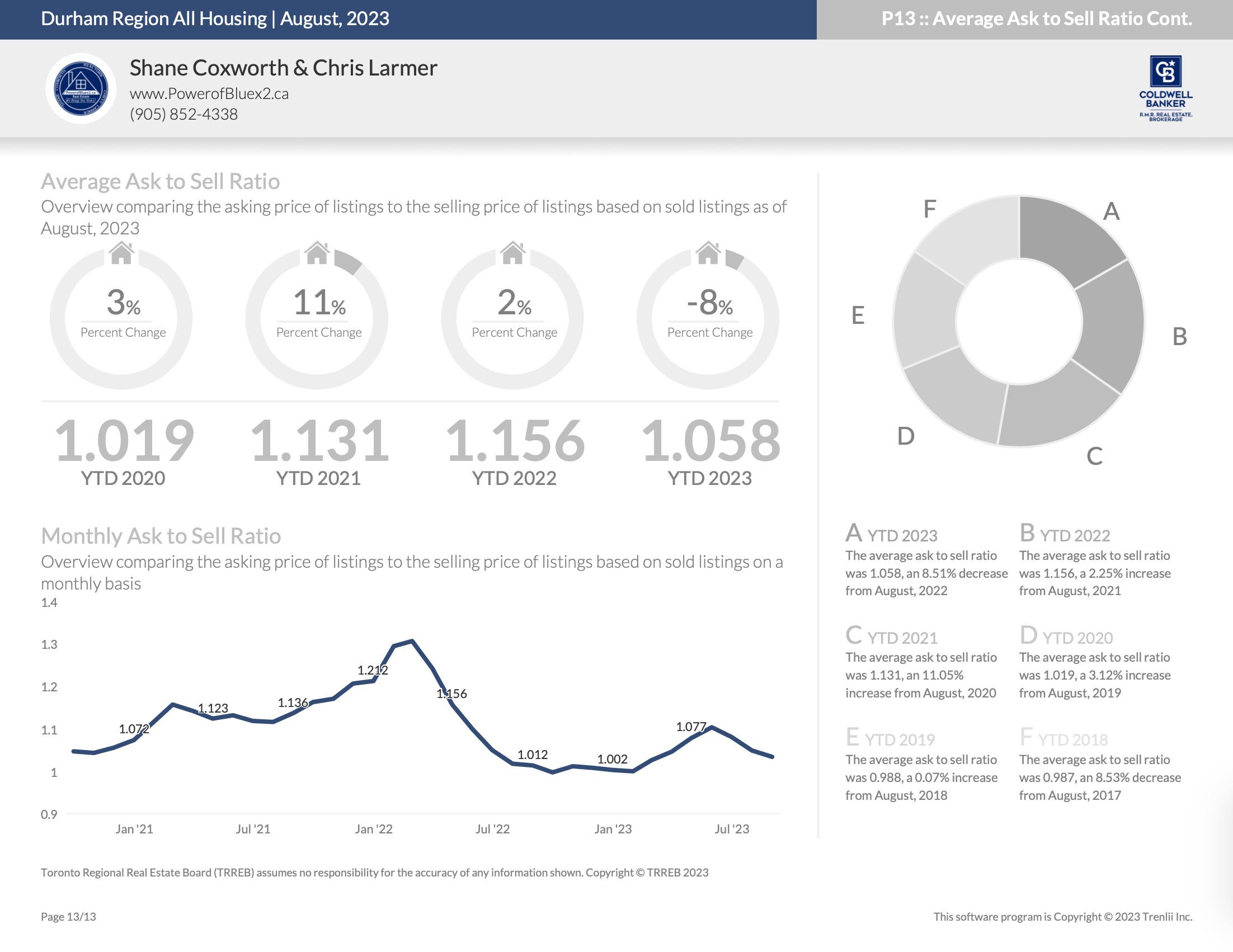
This housing report for Durham Region includes the number of new listings, average list price, number of properties sold, average selling price, average days on market and average asking price to selling price ratio for all property types within the Region of Durham.
Scroll to the bottom for links to take you to the housing market reports for Uxbridge, Scugog, Brock and the Kawartha Lakes.
From Toronto Regional Real Estate Board
Toronto Regional Real Estate Board – Market Stats At A Glance – August 2023
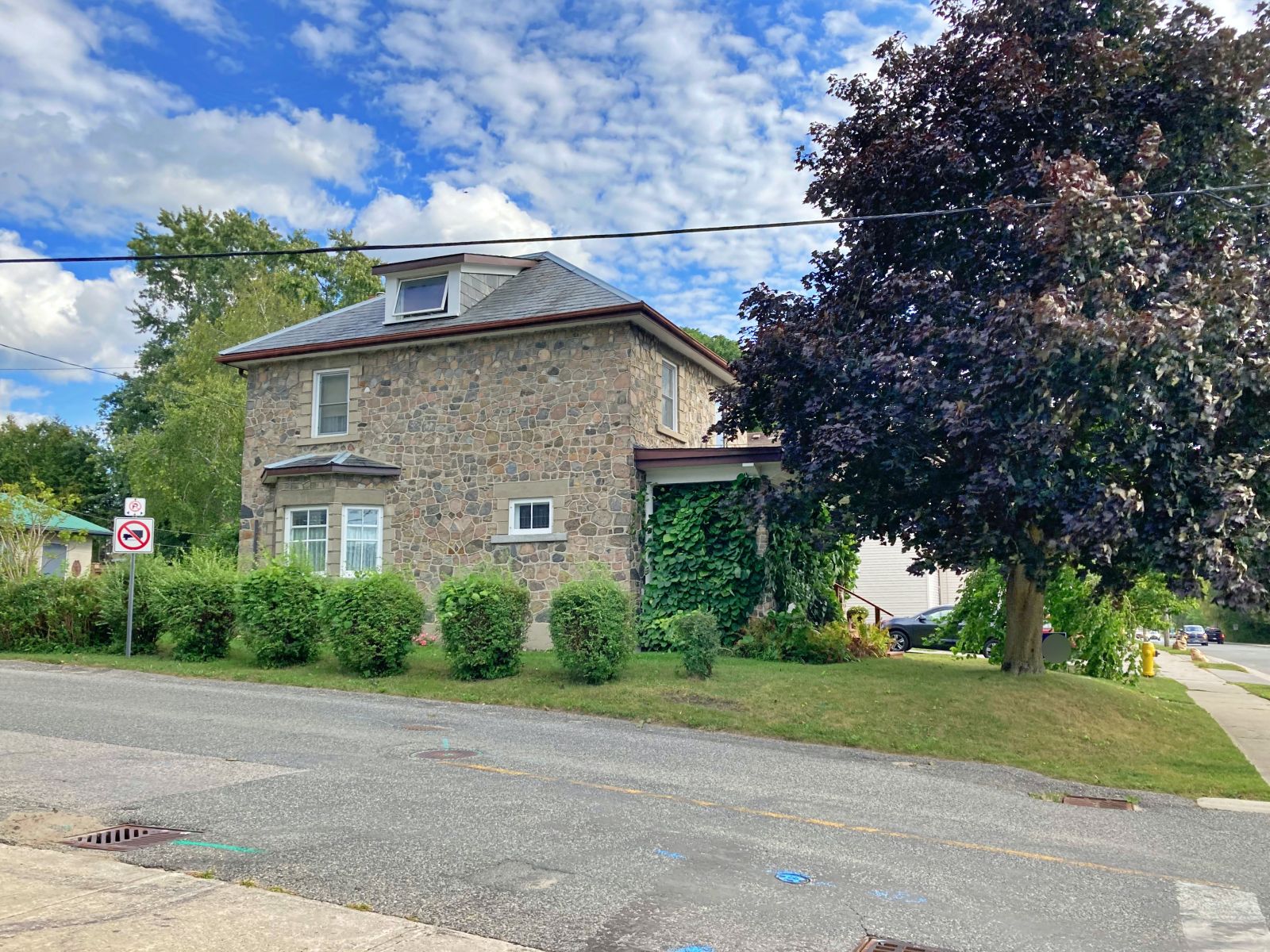
According to Uxbridge – Scugog Historic Homes and Heritage Buildings, this fieldstone home (the only one built within the town limits) was built by Robert Perry after he purchased the lot from G.H. Thompson in 1920. Mr. Thompson operated a blacksmith shop on the property after he purchased it in 1904.
Robert Perry was the manager of the Gold Metal Furniture Company. The factory which was located behind the old co-op at the corner of Brock Street and Victoria Drive, which was destroyed by fire in 1944. Read about the Gold Metal Furniture Company
It is believed that the stone for the Robert H. Perry Residence was brought to town by rail and then delivered to the site by horse and wagon. The home features clear oak trim, floors, stairs and doors (including French doors and sliding doors). Some of the original features can still be found including some light fixtures, the door bell, a stained glass window and the oak front door. A couple of other interesting features still in the home are parts of the water system which was located in the attic and a cistern located under the back deck.
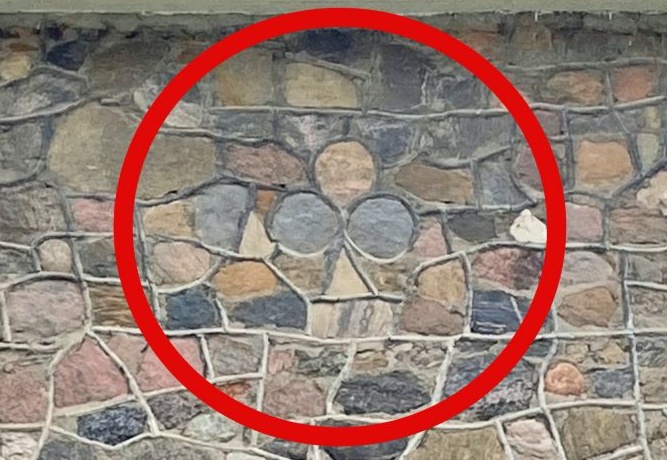
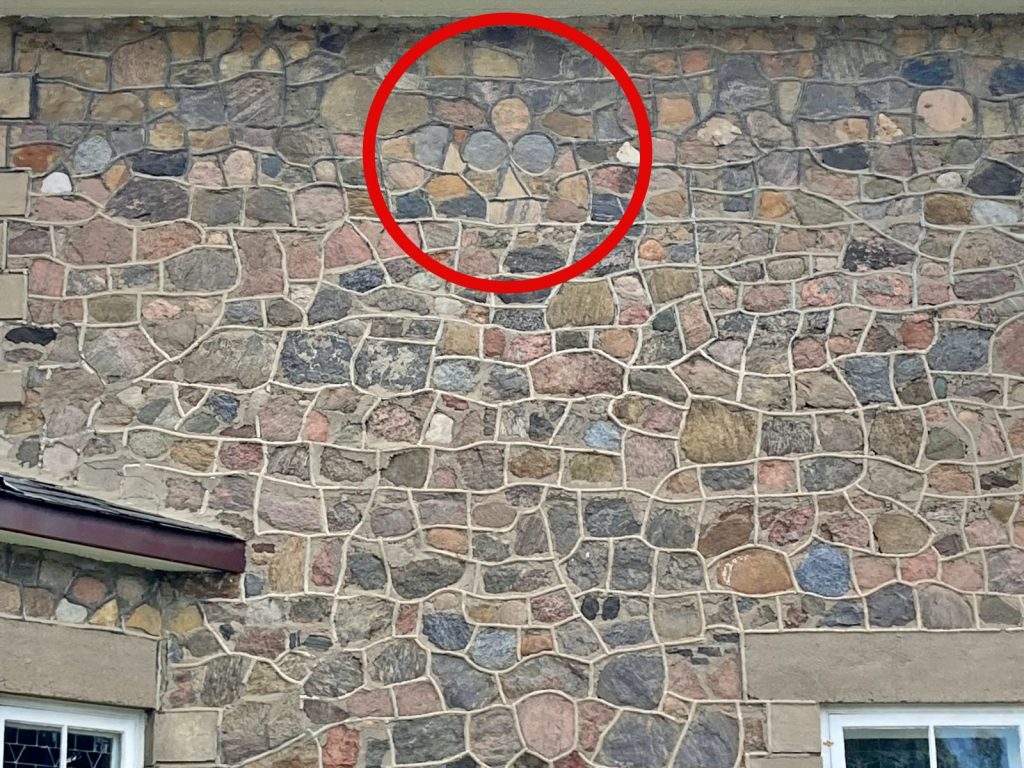
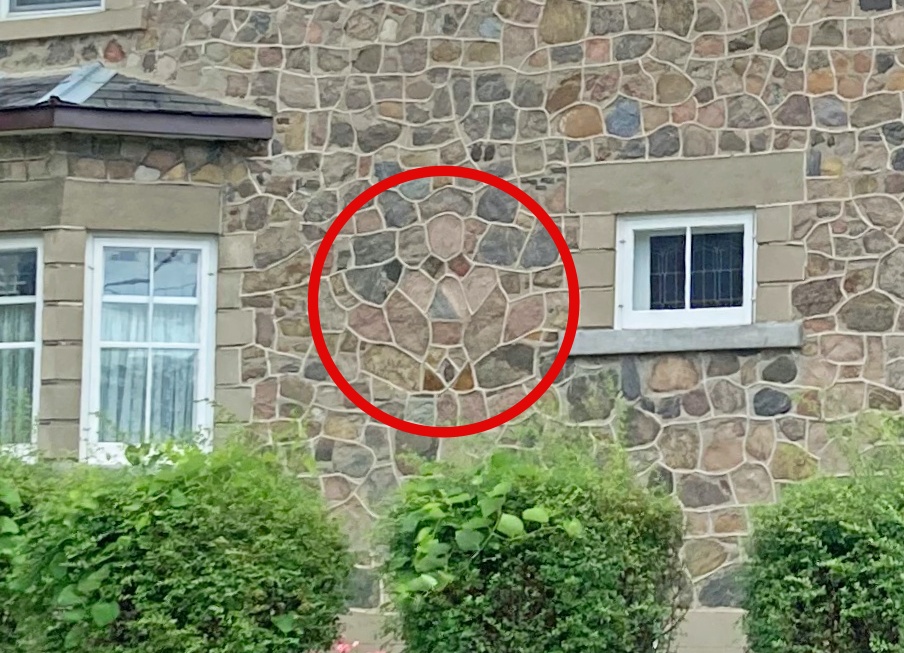
To honour his Irish decent Mr. Perry had a form of a shamrock placed in the stone wall facing Planks Lane. If you look closely at this wall you can also see the form of a person just below the shamrock.
The home has had very few owners since it was constructed by Mr Perry. The Perrys sold it to Gordon and Amanda McLean in 1923 who lived in the house until they sold it to its current owners in 1961.
This photo shows the shamrock in the north wall of the Robert H. Perry Residence.
This photo shows the person in the north wall of the house.
Credits and Source
Uxbridge – Scugog Historic Homes and Heritage Buildings, By Paul Arculus J. Peter Hvidsten
Charles Gould Residence taken from the south east side around 1890. Photo courtesy of Uxbridge-Scugog Historic Homes by: Paul Arculus and J. Peter Hvidsten.
The Charles Gould Residence was originally a farm property, it was owned by Joseph Gould and was inherited by his son Charles in 1886. Charles and his brother Harvey ran the Gould Brothers Bank and the Gould Flour and Feed Store on Brock Street as well as the Uxbridge Roller Mills. While running many businesses in town he was also elected Reeve in 1884.
The farm was sold on 1914. A few years later Charles suffered a stroke and passed away on December 18, 1922.
The above photo is taken from the north east side of the property in 2021. Today the home is surrounded by a hedge making the property very secluded.
Neat Facts
The house has an unusual coffin door, which opens onto the front verandah and allowed a coffin to be carried in and out of the house. It was a common practice years ago to have funerals and wakes in the home. It was constructed of yellow bricks similar to the Uxbridge Library (Joseph Gould Institute)
Charles Gould Residence taken from the south east side. Photo courtesy of Uxbridge-Scugog Historic Homes by: Paul Arculus and J. Peter Hvidsten.
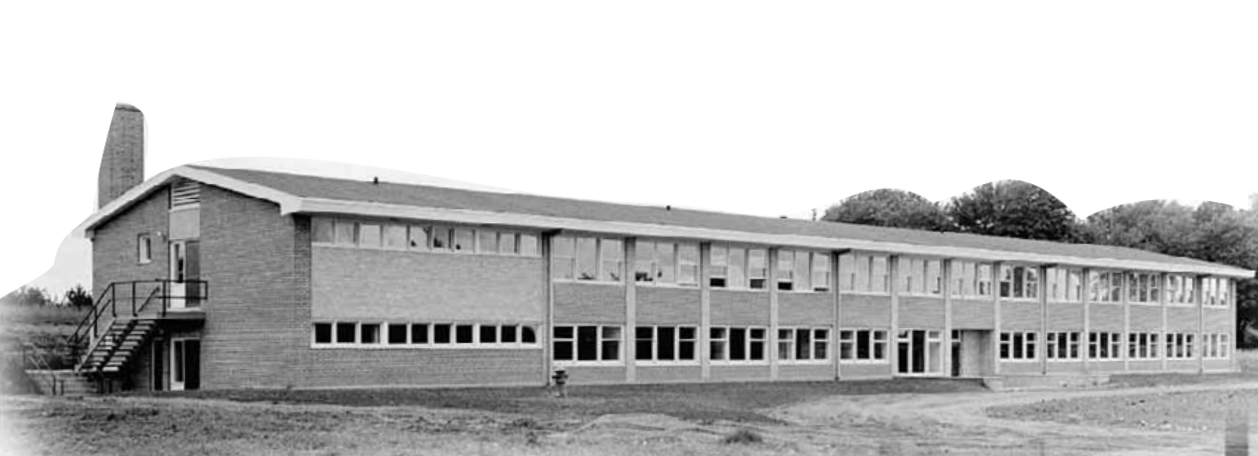
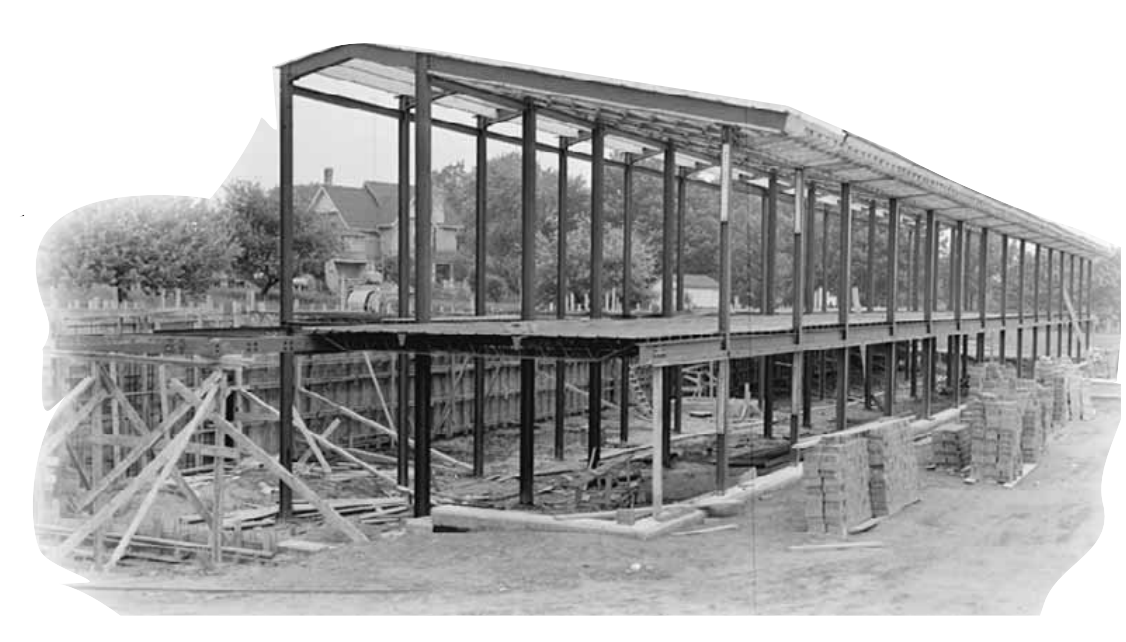
The Hospital nearing completion in 1958. Photo courtesy of Uxbridge the Good Old Days, By J. Peter Hvidsten.
The sod was turned in May 1955 and equipment started construction on the new Hospital in October of the same year.
After lack of funds and many delays the hospital finally opened on January 12th 1959. The hospital has undergone renovations with additions in 1967 and 1996 – 1998.
In April 1997, the hospital was amalgamated with Community Memorial Hospital Port Perry to form the North Durham Health Services. NDHS ceased to exist in 1998. Uxbridge Cottage Hospital was affiliated with Lakeridge Health Centre in Oshawa, and was known as Lakeridge Health, Uxbridge, from 1998 until January 5, 2004. In January 2004 the hospital was welcomed under the jurisdiction of the Markham-Stoufville Hospital Corporation. – Source Wikipedia
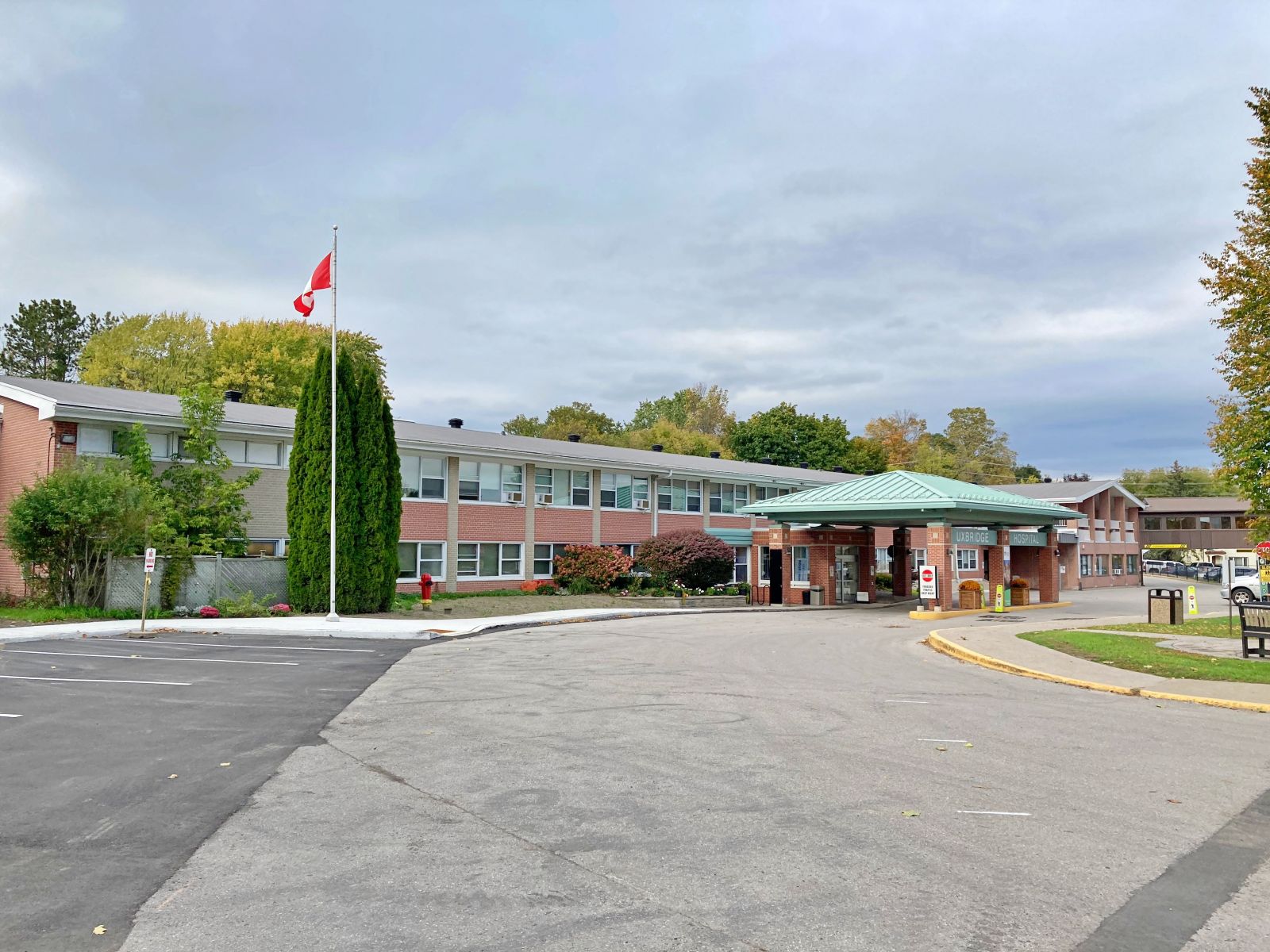
The Hospital as it appeared in 2021
The Hospital under construction. Photo courtesy of Uxbridge the Good Old Days, By J. Peter Hvidsten.
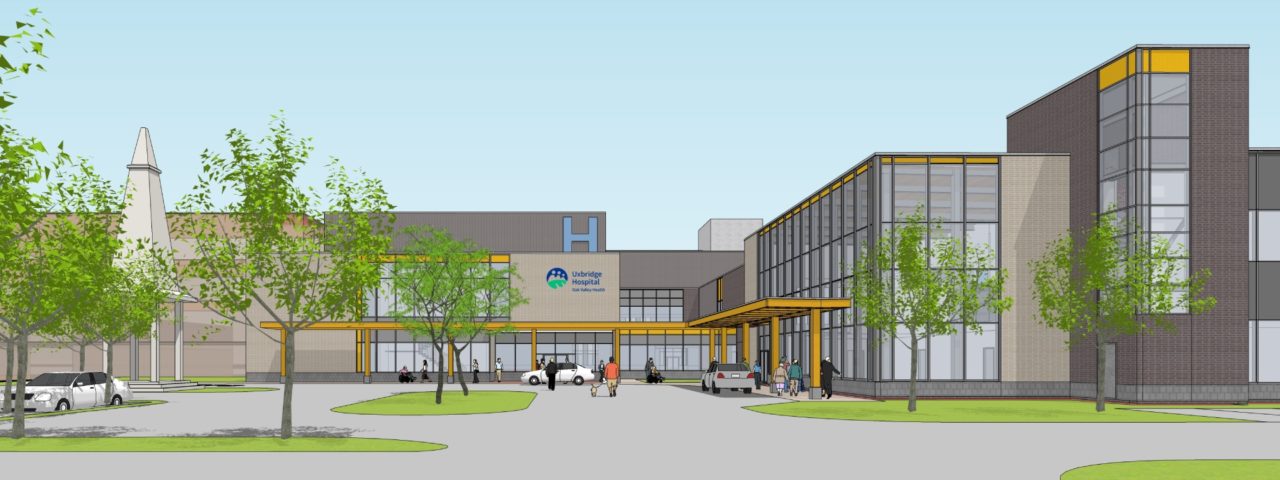
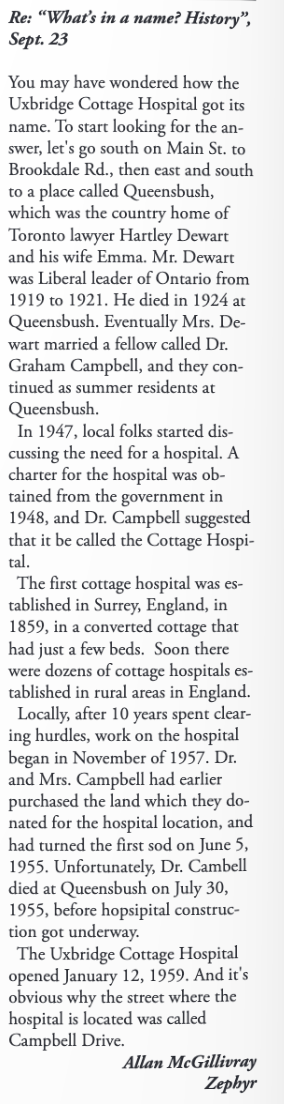
In 2021 the Markham-Stouffville Hospital announced it would be rebranding as Oak Valley Health and the Uxbridge site would be renamed the Uxbridge Hospital dropping the “Cottage” after more than 60 years.
In October 2019 the Uxbridge Health Centre announced with the Markham-Stouffville Hospital the construction of the new Uxbridge Health Centre on the grounds of the Uxbridge Hospital. In September 2021 the Uxbridge Health Centre opened to its first patients.
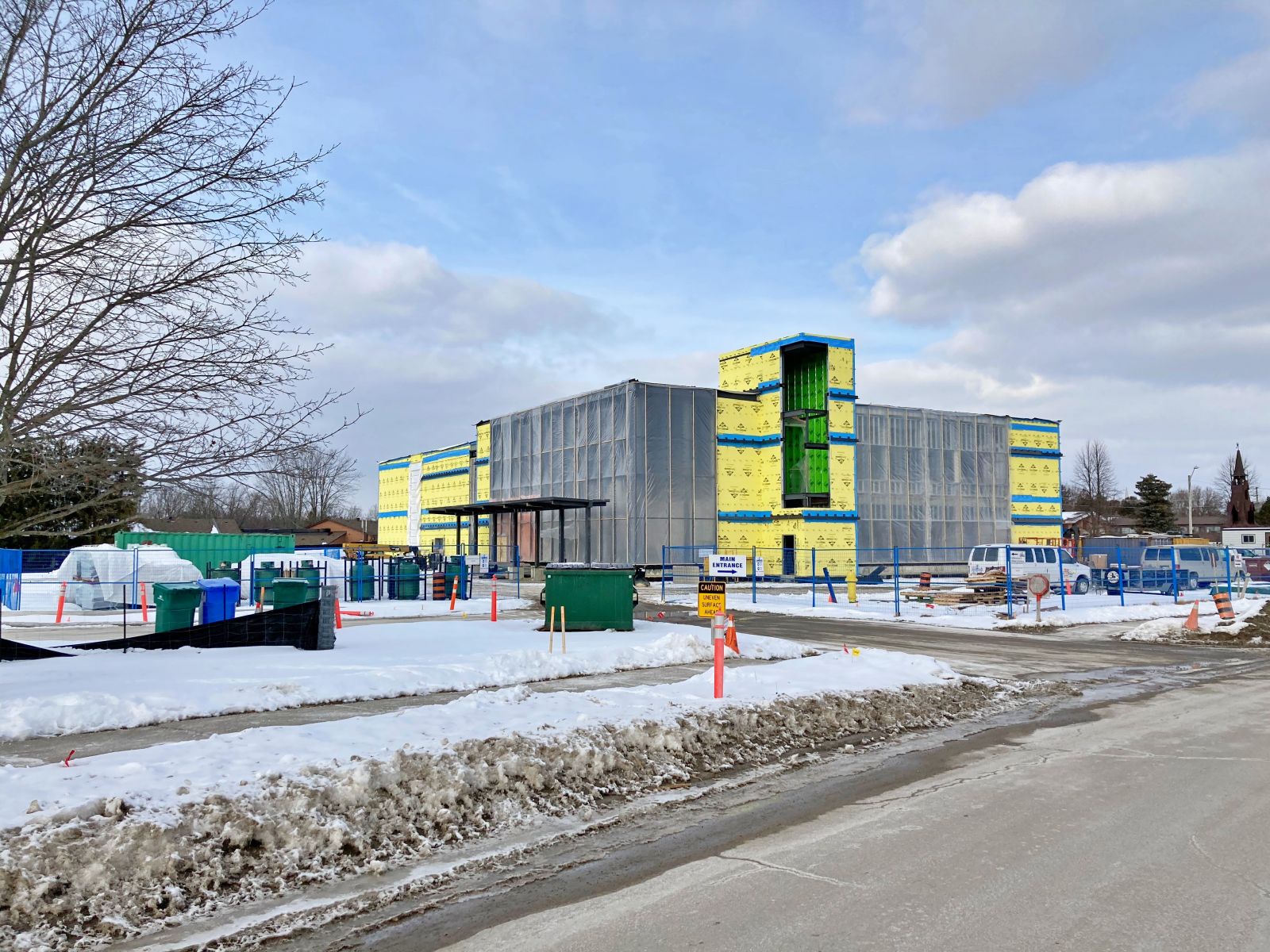
The new Uxbridge Health Centre under construction in February 2021.
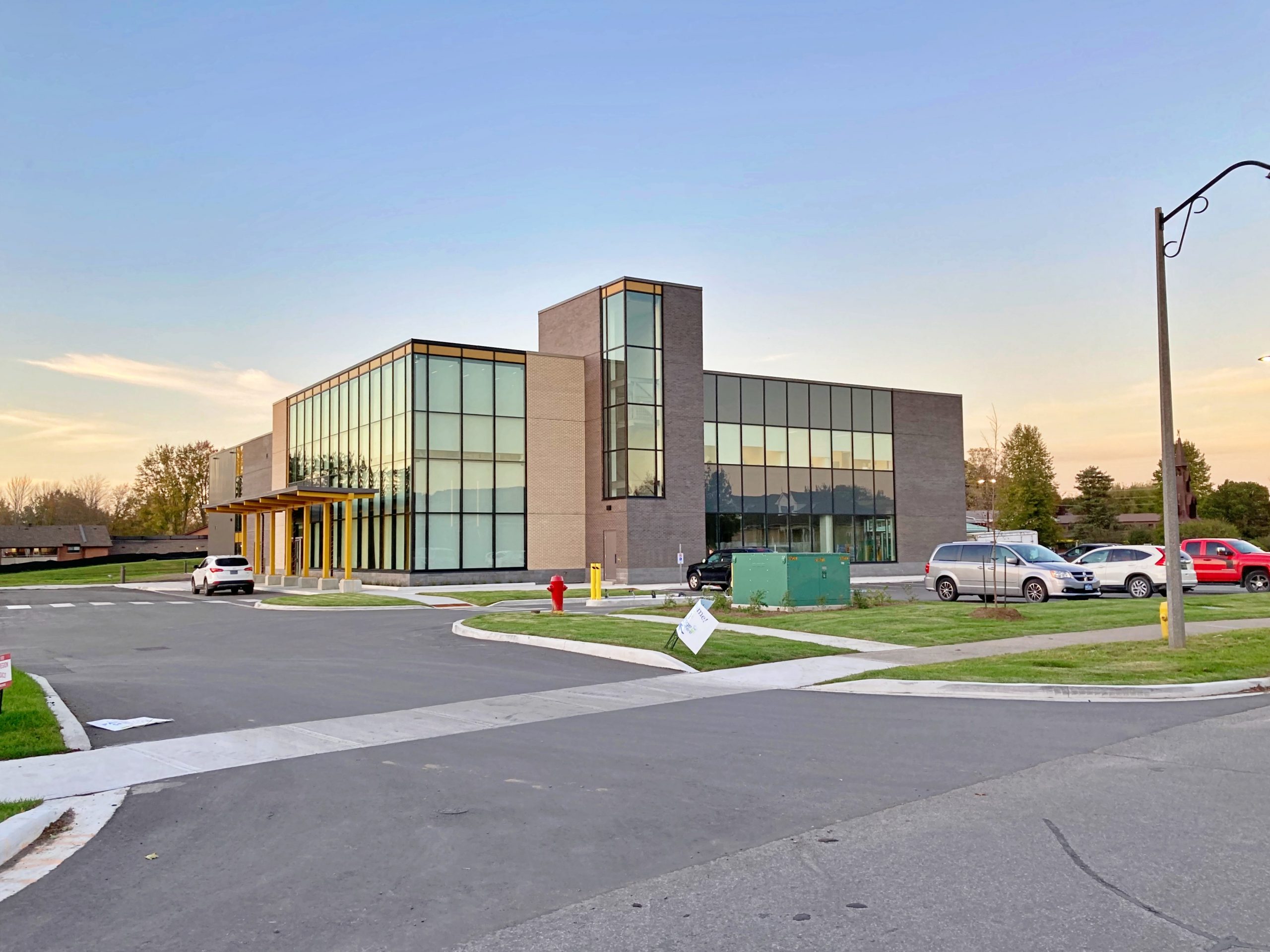
The completed Uxbridge Health Centre.
Hospital Redevelopment
In September 2019 Christine Elliott, Deputy Premier and Minister of Health and Peter Bethlenfalvy, President of the Treasury Board and MPP for Pickering-Uxbridge announced that Ontario would invest to support Markham Stouffville Hospital for the proposed redevelopment of the Uxbridge site. In April 2022 the provincial government approved to build the new hospital on the existing grounds.
The new state-of-the-art building will be constructed on existing land beside the current hospital and will connect to the new Uxbridge Health Centre. Plans are also underway for a a long-term care home that will also connect to the hospital. The new Uxbridge campus will be a community health hub that will include acute, ambulatory and emergency services, long term care, and primary care services.
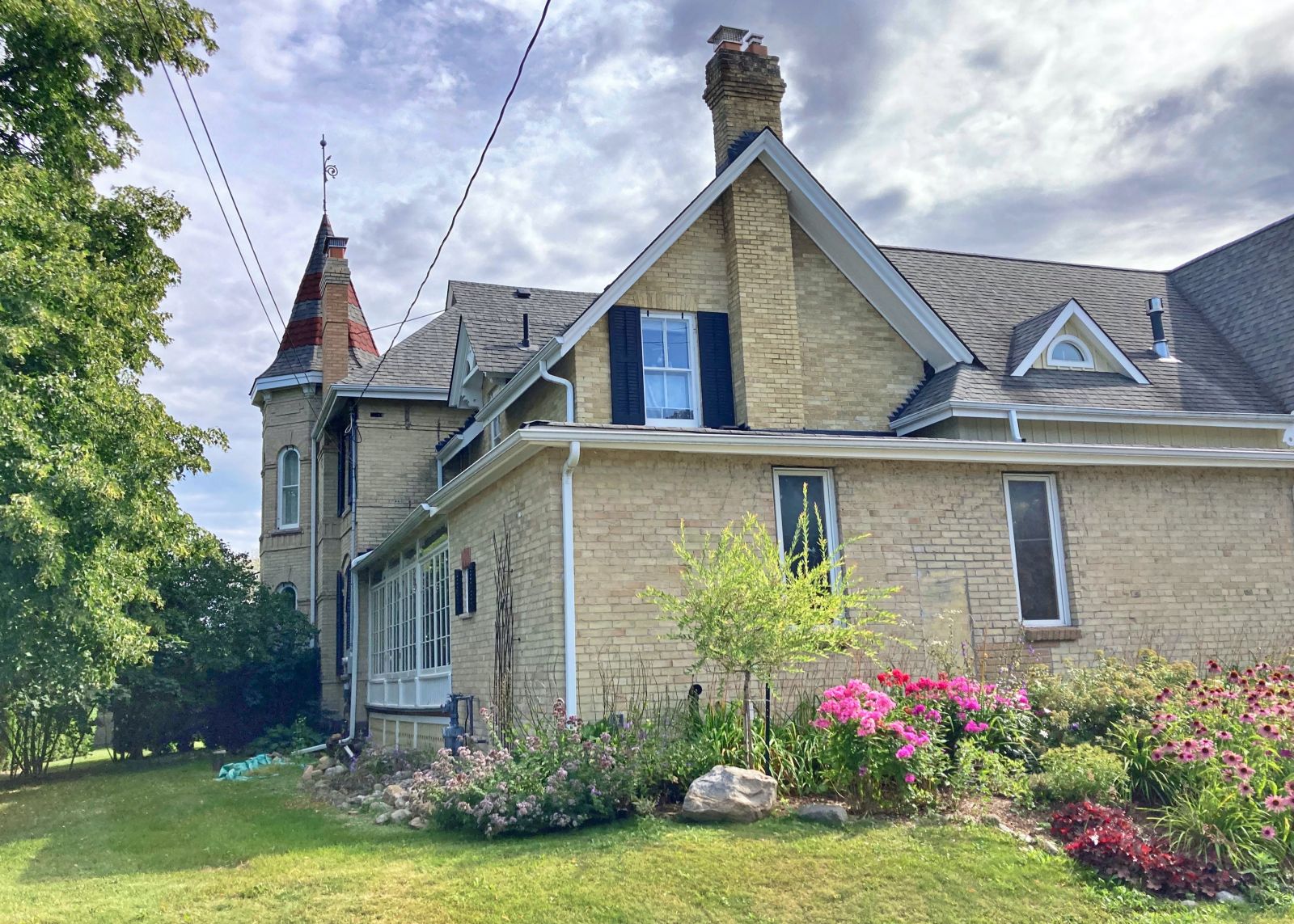
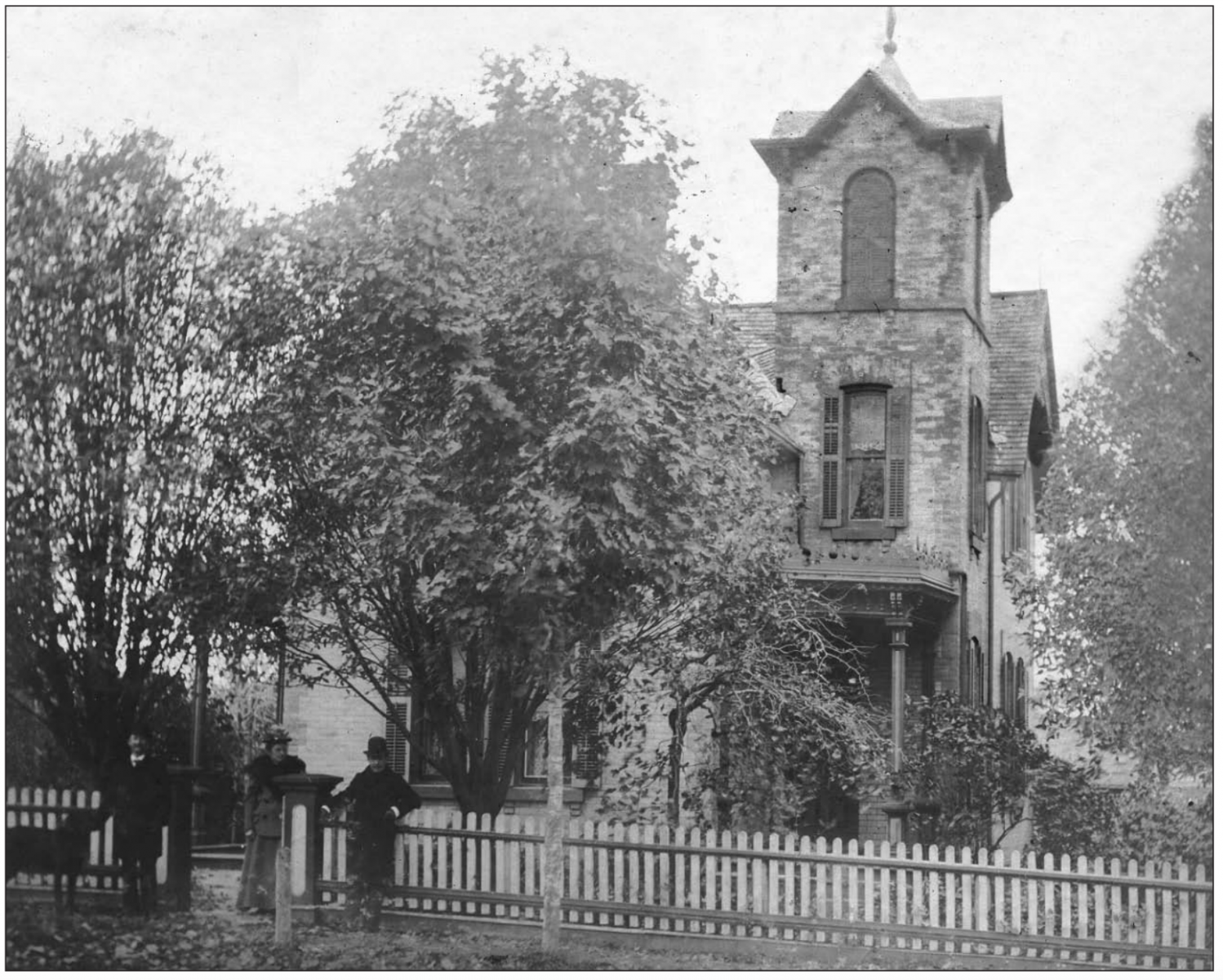
Perched on a historic parcel of land on on of Uxbridge’s most historical streets, the Sam Sharpe House stands as a testament to both architectural evolution and the enduring legacy of one of the town’s most distinguished public figures. Initially built circa 1877 by a local builder, the home was originally known in the community as the “Mauder Mansion.” It wasn’t until 1881 that the Sharpe family purchased the residence, and it later became the home of Colonel Samuel Sharpe in 1907.
Colonel Samuel Sharpe: A Pillar of Uxbridge
Col. Samuel Sharpe was a prominent figure in Uxbridge’s history. Not only did he serve as a Member of Parliament, but he also played a significant role in the Canadian military. His service during World War I saw him deployed overseas, where he demonstrated remarkable leadership. Unfortunately, the emotional and physical toll of war weighed heavily on him, and he tragically passed away in May 1918. His contributions to both his hometown and his country have cemented his place in Canadian history.
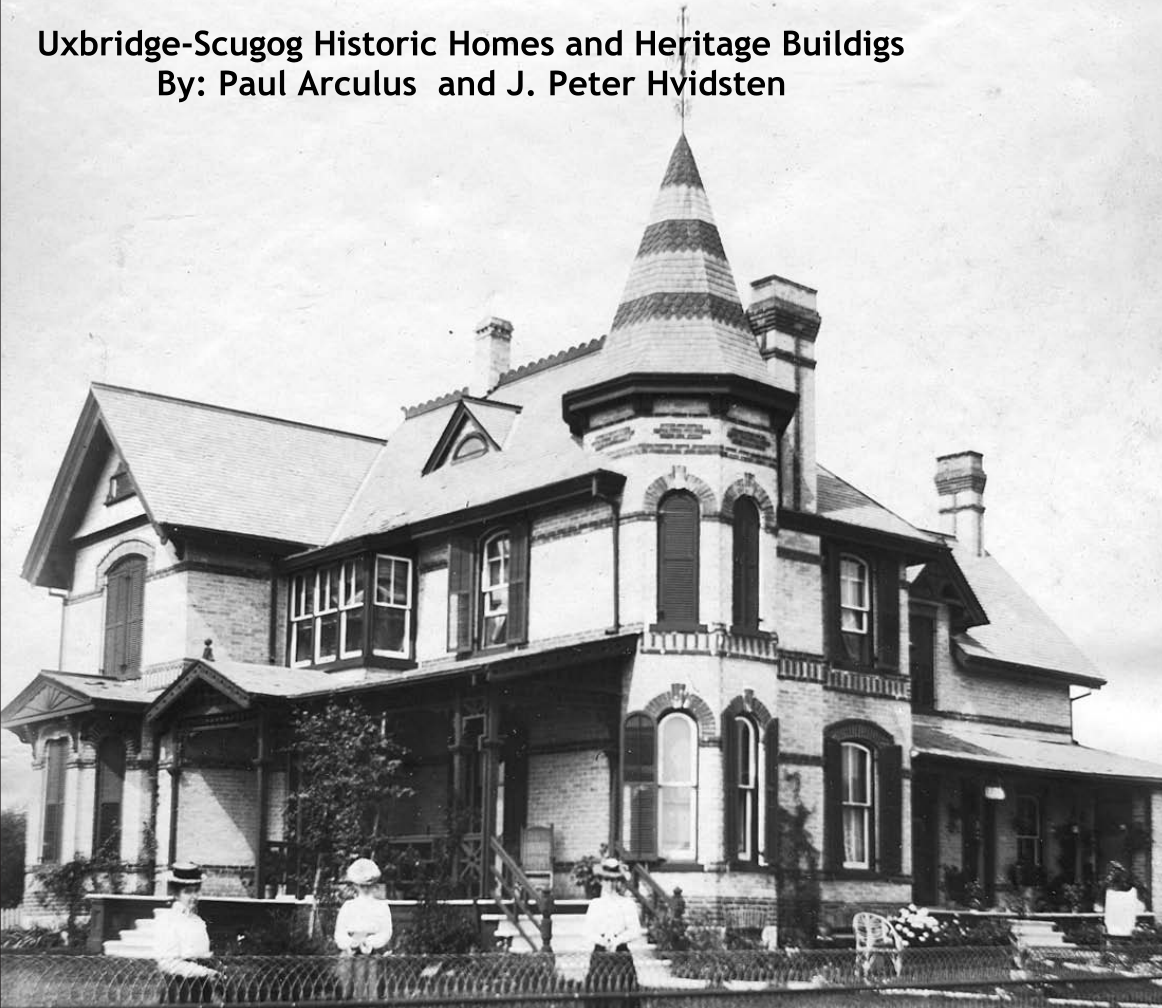
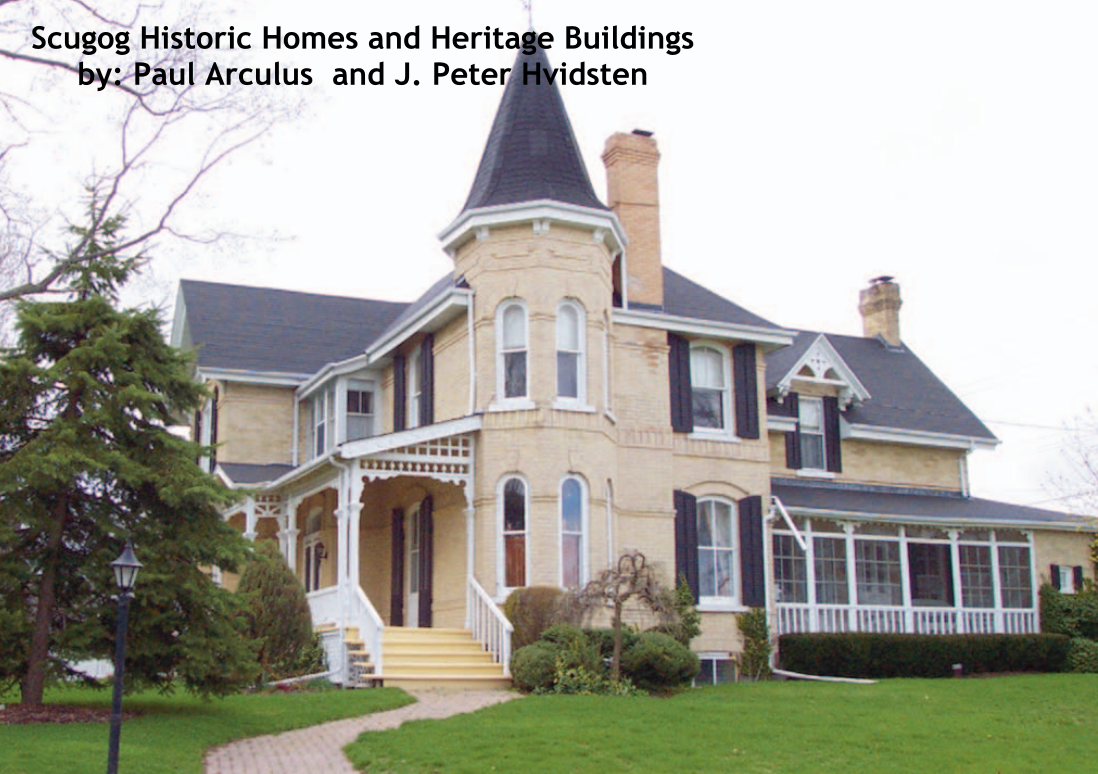
The home was originally built with a taller tower on the north side. Photo courtesy of Uxbridge – Scugog Historic Homes & Heritage Buildings by: Paul Arculus J. Peter Hvidsten
The Evolution of the Sam Sharpe House
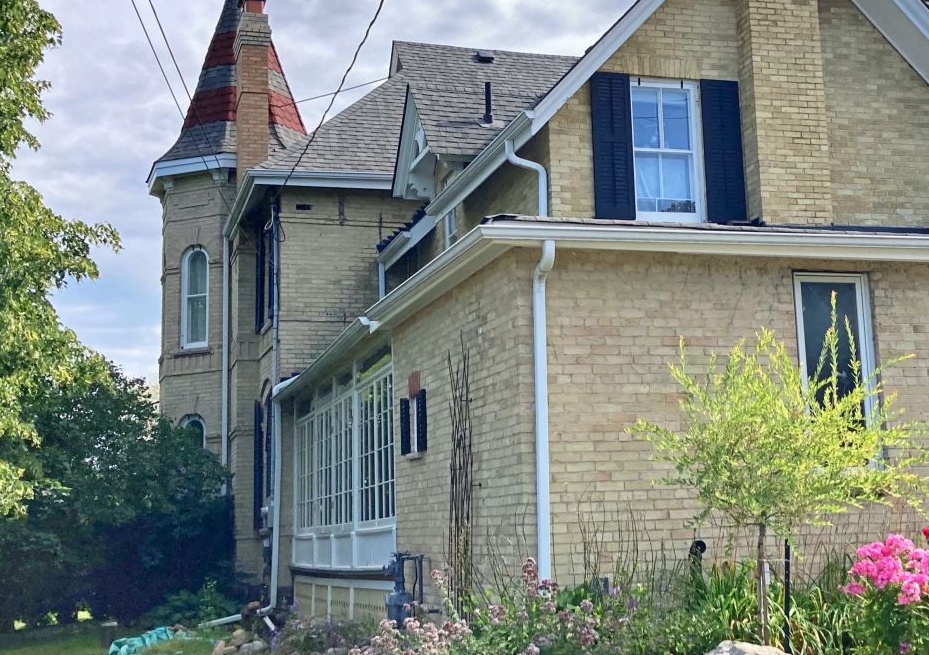
Under the ownership of the Sharpe family, the home underwent several changes. Originally designed with a taller tower on the north side, it is believed that the top floor of the tower was either removed or destroyed by fire sometime after Col. Sharpe’s death. Additionally, the Sharpe family expanded the home by adding a verandah and a conservatory on the south side, which enhanced its grandeur.
The home remained in the Sharpe family until 1943, when Col. Sharpe’s wife, a respected figure in her own right, passed away.
A Historic Home Faces the Elements
Though the Sam Sharpe House has withstood the test of time, it has not been immune to the forces of nature. In 2022, a tornado struck Uxbridge, causing significant damage — including the destruction of the conservatory.
In 2023, the conservatory was beautifully rebuilt, complete with stunning stained glass transoms that were miraculously salvaged from the storm’s aftermath. This thoughtful restoration has brought new life to the historic home, preserving both its elegance and its story for generations to come.
Photo courtesy of Uxbridge – Scugog Historic Homes & Heritage Buildings by: Paul Arculus J. Peter Hvidsten
Preserving Uxbridge’s Heritage
The Sam Sharpe House serves as a powerful link to Uxbridge’s past, not only as the residence of a war hero and public servant but also as an example of architectural resilience. As Uxbridge continues to evolve, this historic home remains a cherished part of the town’s heritage, standing as a silent witness to the triumphs and trials of those who once called it home.
For history enthusiasts and residents alike, the Sam Sharpe House is a lasting tribute to one of Uxbridge’s most influential figures and a vital piece of the town’s rich architectural and cultural history.
Learn about other historic homes in Uxbridge by following our blog “Uxbridge Historic Homes“
Credits and Sources
Uxbridge – Scugog Historic Homes & Heritage Buildings by: Paul Arculus J. Peter Hvidsten
This housing report for Township of Uxbridge includes the number of new listings, average list price, number of properties sold, average selling price, average days on market and average asking price to selling price ratio for all property types within the Township of Uxbridge.
Scroll to the bottom for links to take you to the housing market reports for Durham, Scugog, Brock and the Kawartha Lakes.
Toronto Regional Real Estate Board
From Toronto Regional Real Estate Board
Toronto Regional Real Estate Board – Market Stats At A Glance – July 2023
This housing report for Township of Scugog includes the number of new listings, average list price, number of properties sold, average selling price, average days on market and average asking price to selling price ratio for all property types within the Township of Scugog.
Scroll to the bottom for links to take you to the housing market reports for Durham, Uxbridge, Brock and the Kawartha Lakes
Toronto Regional Real Estate Board
TRREB Housing Market Charts July 2023
Toronto Regional Real Estate Board – Market Stats At A Glance – July 2023
This housing report for Township of Brock includes the number of new listings, average list price, number of properties sold, average selling price, average days on market and average asking price to selling price ratio for all property types within the Township of Brock.
Scroll to the bottom for links to take you to the housing market reports for Durham, Uxbridge, Scugog and the Kawartha Lakes.
Toronto Regional Real Estate Board
From Toronto Regional Real Estate Board
Toronto Regional Real Estate Board – Market Stats At A Glance – July 2023
This housing report for Kawartha Lakes includes the number of new listings, average list price, number of properties sold, average selling price, average days on market and average asking price to selling price ratio for all property types within the Kawartha Lakes.
Scroll to the bottom for links to take you to the housing market reports for Durham, Uxbridge, Scugog and Brock.
Toronto Regional Real Estate Board
From Toronto Regional Real Estate Board
Toronto Regional Real Estate Board – Market Stats At A Glance – July 2023
This housing report for Durham Region includes the number of new listings, average list price, number of properties sold, average selling price, average days on market and average asking price to selling price ratio for all property types within the Region of Durham.
Scroll to the bottom for links to take you to the housing market reports for Uxbridge, Scugog, Brock and the Kawartha Lakes.
Toronto Regional Real Estate Board
From Toronto Regional Real Estate Board
Toronto Regional Real Estate Board – Market Stats At A Glance – July 2023


 Facebook
 X
X
 Pinterest
 Copy Link